

How to Create a Woodland Garden in Shade (Easy Design Guide)
Garden design
April 1, 2026
Woodland gardens are one of the most natural and low-maintenance ways to design a shaded space.
There’s something deeply calming about walking through a woodland - dappled light through the canopy, soft textures underfoot, layers of green in every direction. A woodland garden captures that feeling in your own yard, even if you don’t have acres of forest to work with.
Whether you have a few mature trees casting shade or a north-facing corner that never gets direct sun, you can create a garden that feels like a quiet walk in the woods. The key is to think about it the way a designer would - in layers, textures, and light.
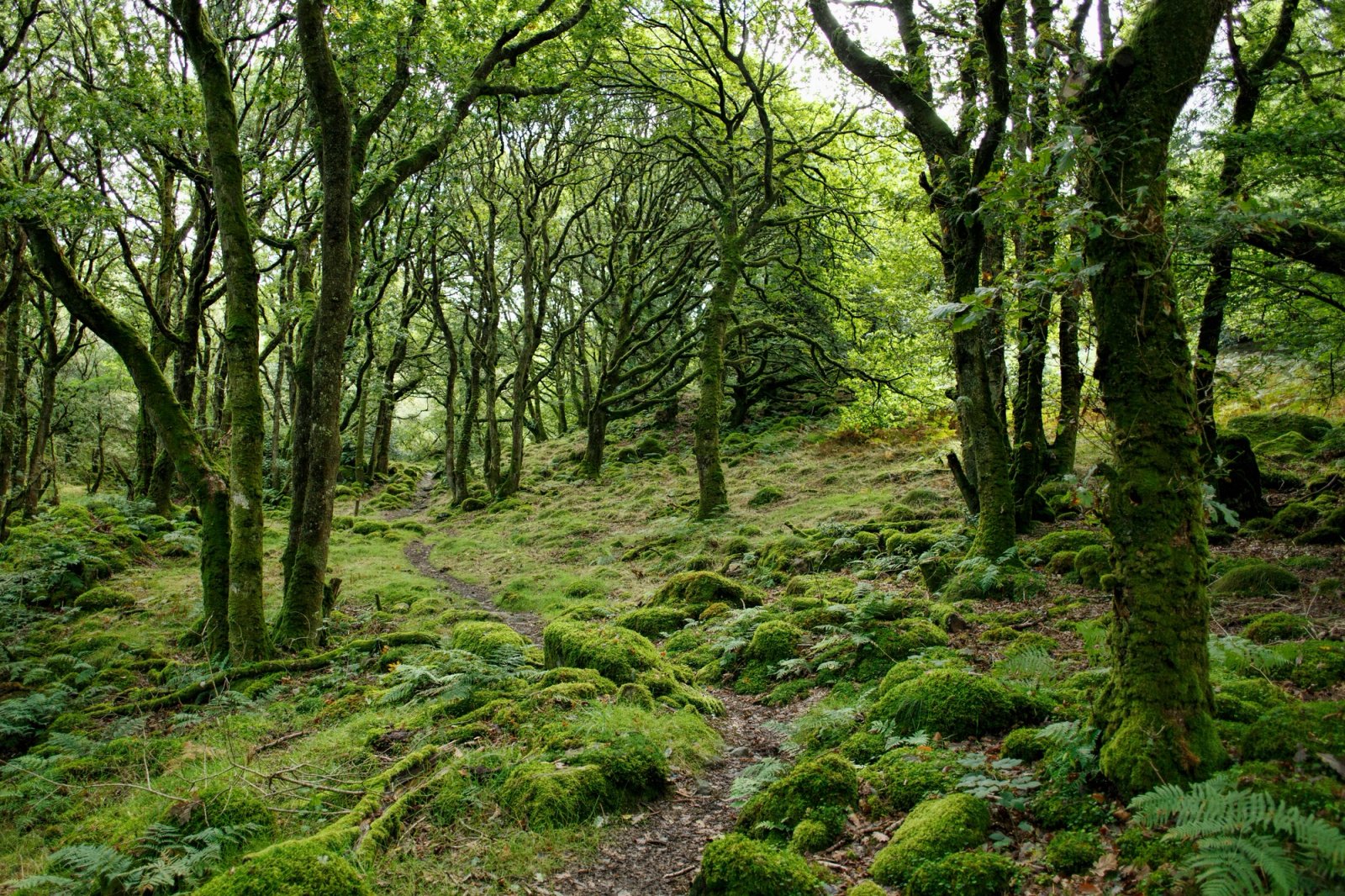
What Is a Woodland Garden?
Unlike a traditional flower bed, where everything faces the sun and competes for attention, a woodland garden works with shade. It’s about creating depth and a sense of quiet rather than bold, upfront color.
Plants tend to be softer in form, more varied in leaf shape, and arranged to feel natural rather than overly planned.
The mood is restful. The palette leans green, with seasonal accents of white, blue, purple, and soft yellow. Structure comes from layers - tall canopy, mid-story shrubs, and a ground layer - rather than from hard edges or geometric beds.
The Three Layers of a woodland garden
Think of your space as a vertical stack, not a flat planting plan.
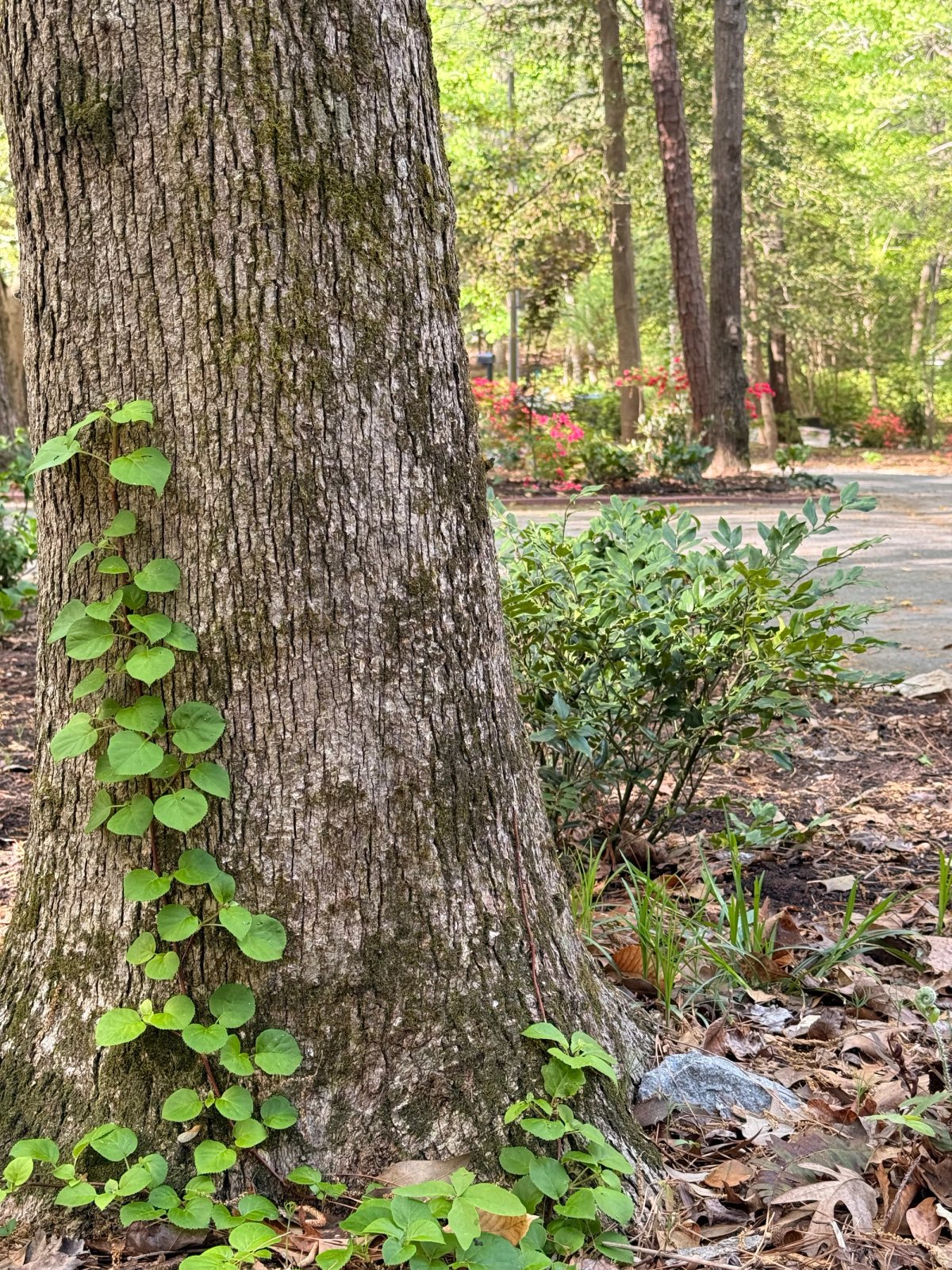
- Canopy layer These are the trees overhead. If you already have mature oaks, maples, or pines, you’re ahead of the game. If you’re starting from scratch, consider understory trees that won’t overwhelm a residential lot - dogwoods, redbuds, Japanese maples, or serviceberries. These provide the filtered light that allows everything below to thrive. In southern regions, you can also use larger evergreen shrubs like Chindo viburnum (zone 7–11) or snowball viburnum (zone 6–9) to help create that upper layer.
Plant list
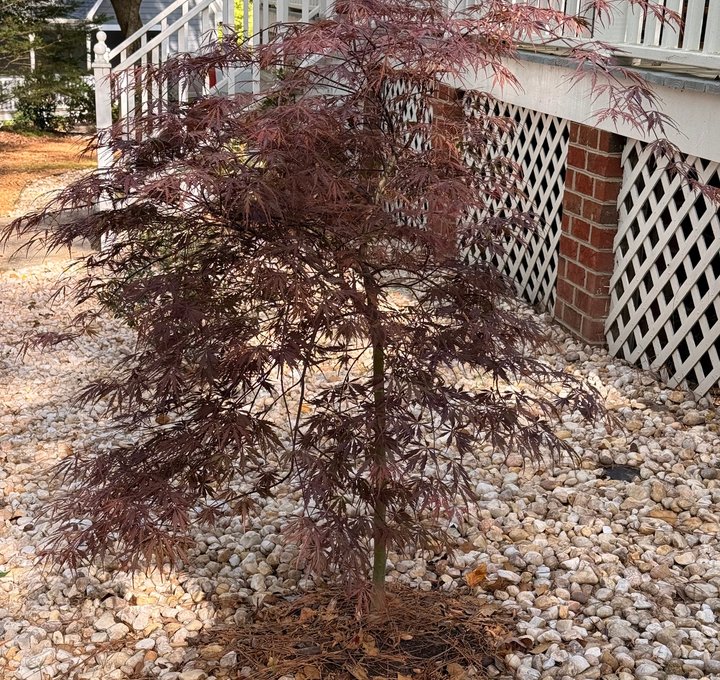
Japanese Maple Tamukeyama
Full Sun • Part Shade • Part Sun • Shade
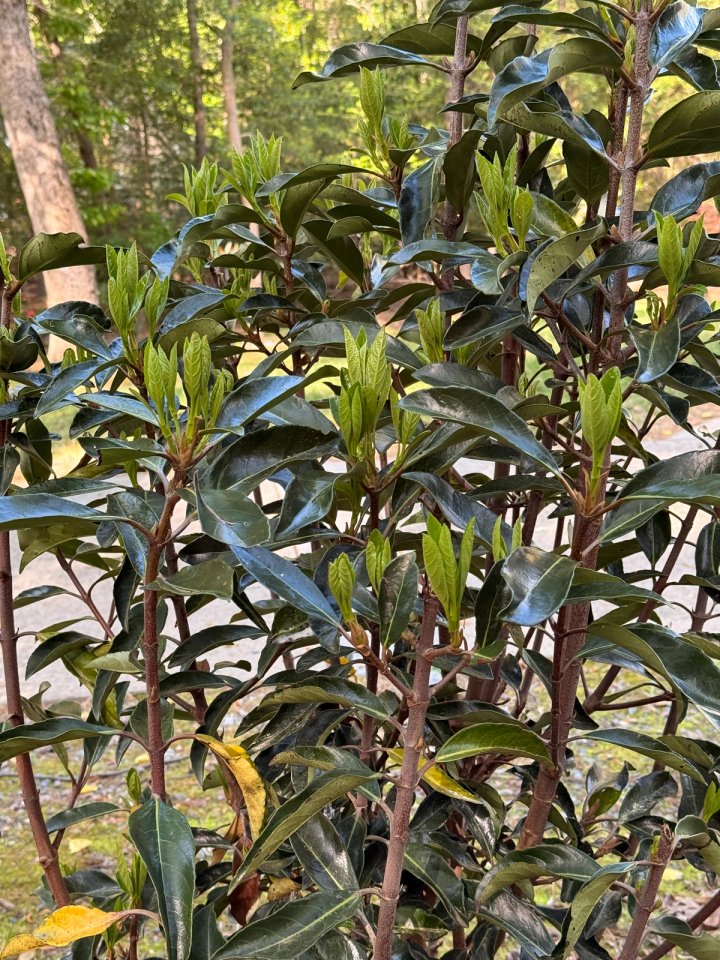
Chindo Viburnum
Full Sun • Part Shade • Part Sun • Shade
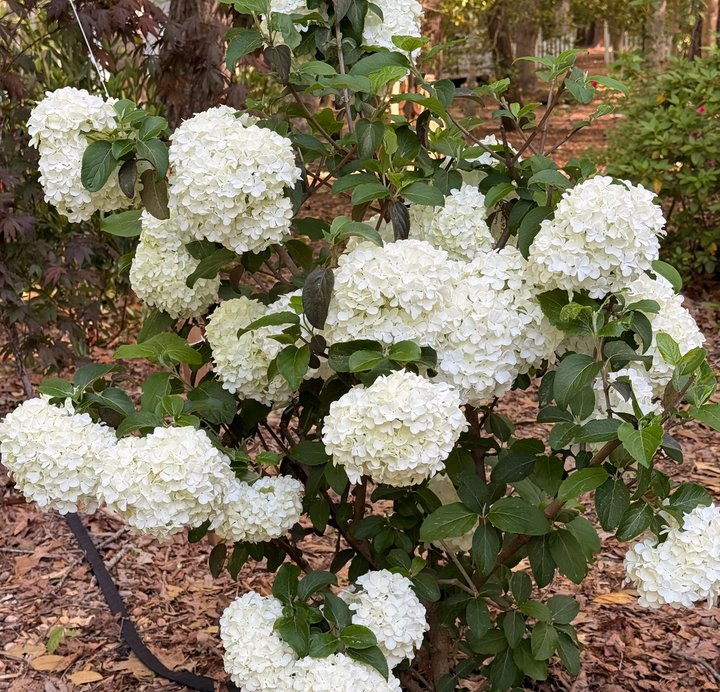
Viburnum Snowball
Full Sun • Part Shade • Part Sun
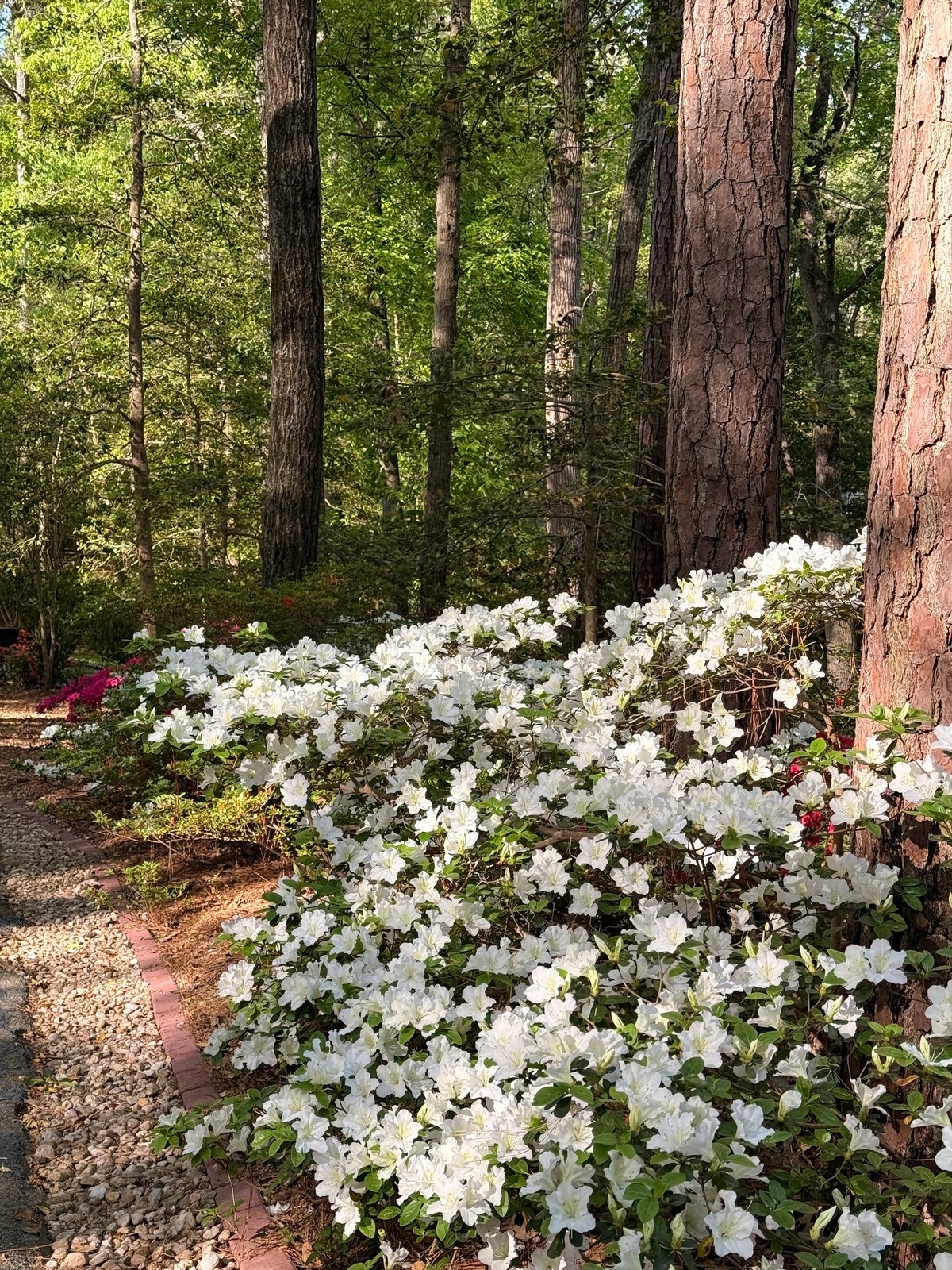
- Shrub layer This is the middle zone, roughly waist to head height. Plants like azaleas, rhododendrons, mountain laurel, hydrangeas (especially oakleaf), edgeworthia, daphne, fatsia, illicium (anise tree), camellias, and witch hazel all work beautifully. Native viburnums add structure and provide berries for birds. This layer creates the “walls” of your woodland space - giving a sense of enclosure without feeling closed in - and adds important winter interest.
Plant list
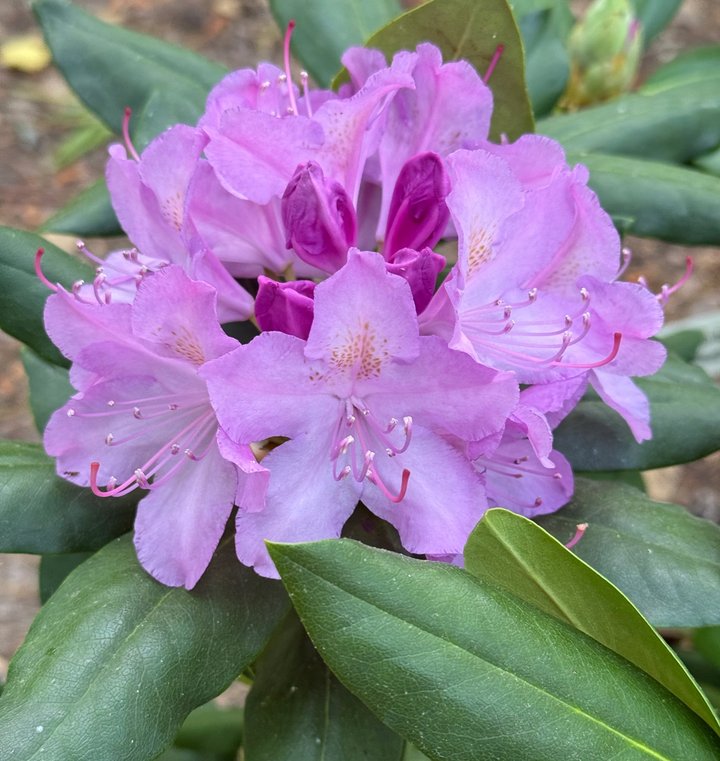
Rhododendron
Part Shade • Part Sun • Shade
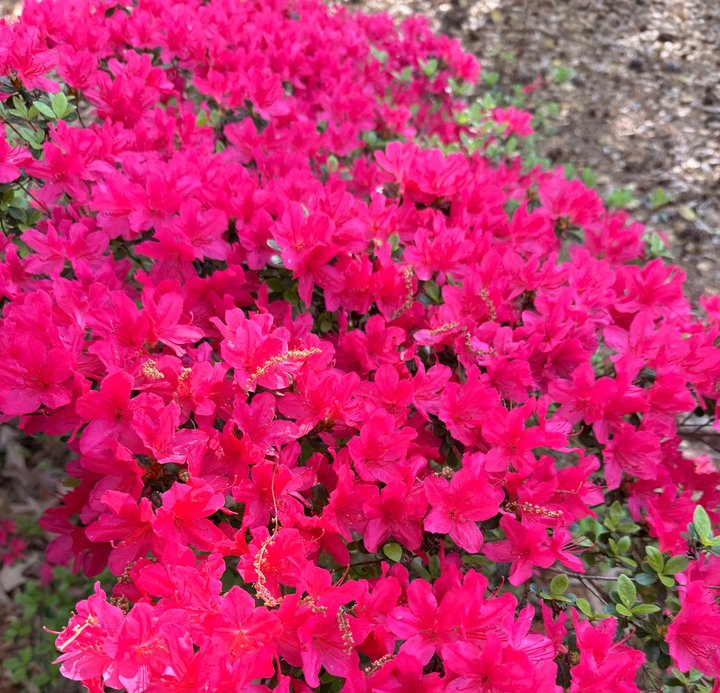
Evergreen Azaleas
Part Shade • Part Sun • Shade
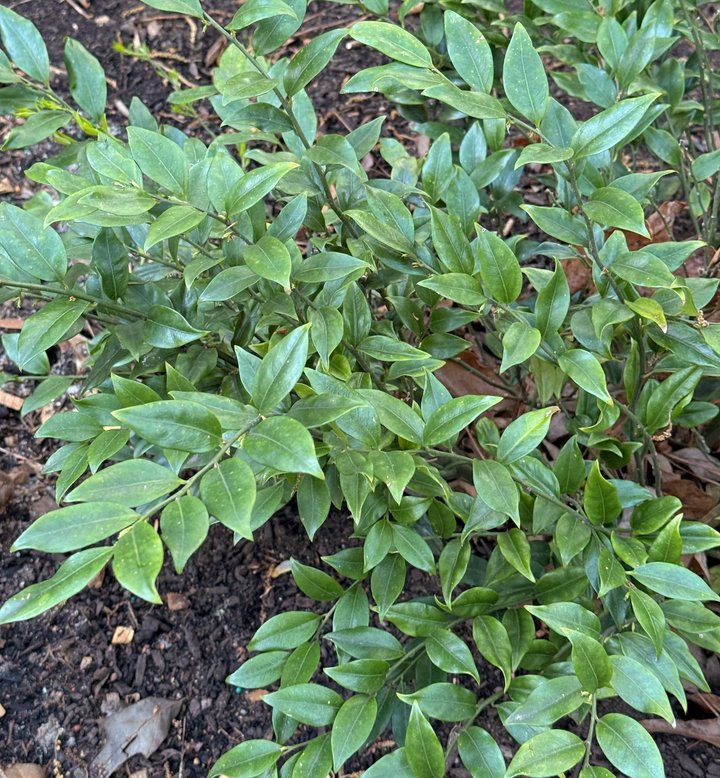
Sarcococca
Part Shade • Shade
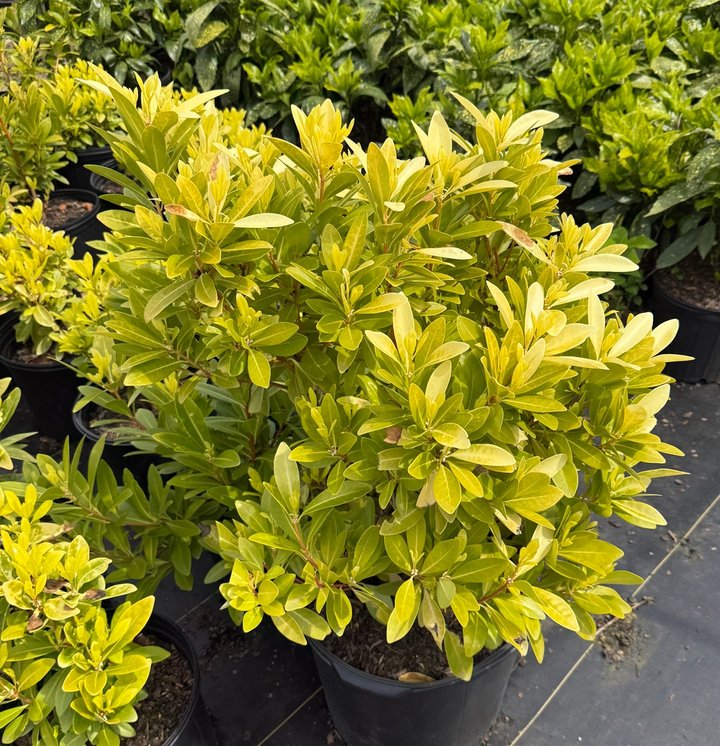
Illicium Florida Sunshine
Part Shade • Part Sun • Shade
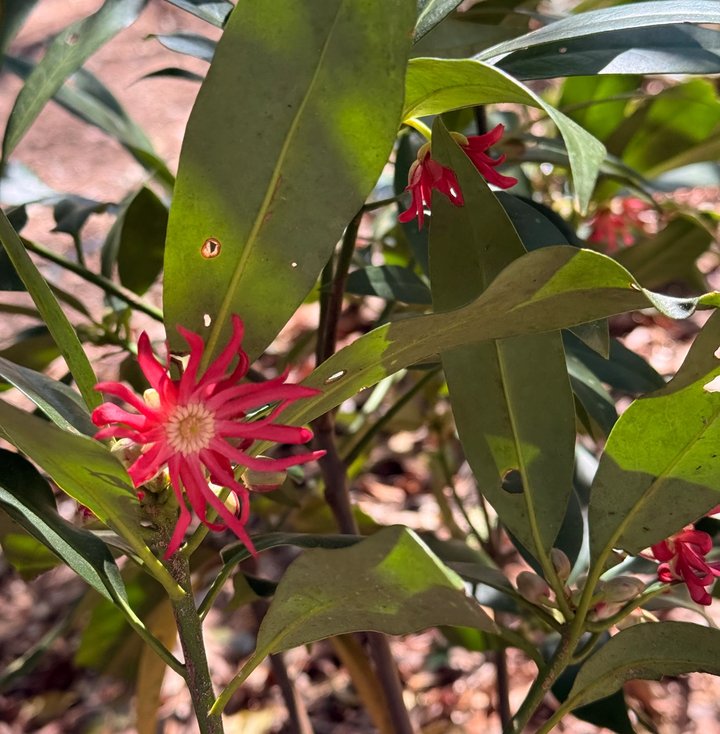
Illicium 'Woodland Ruby'
Part Shade • Shade
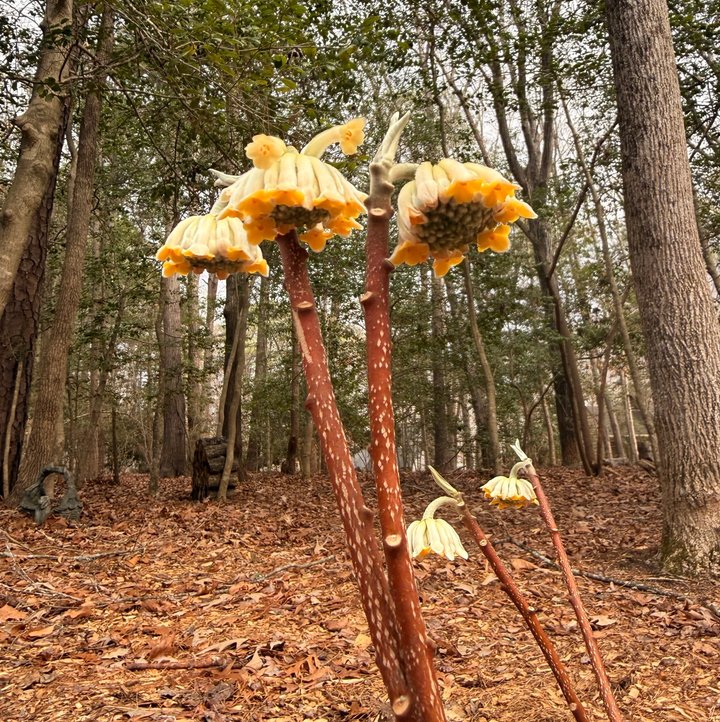
Edgeworthia
Part Shade • Part Sun • Shade
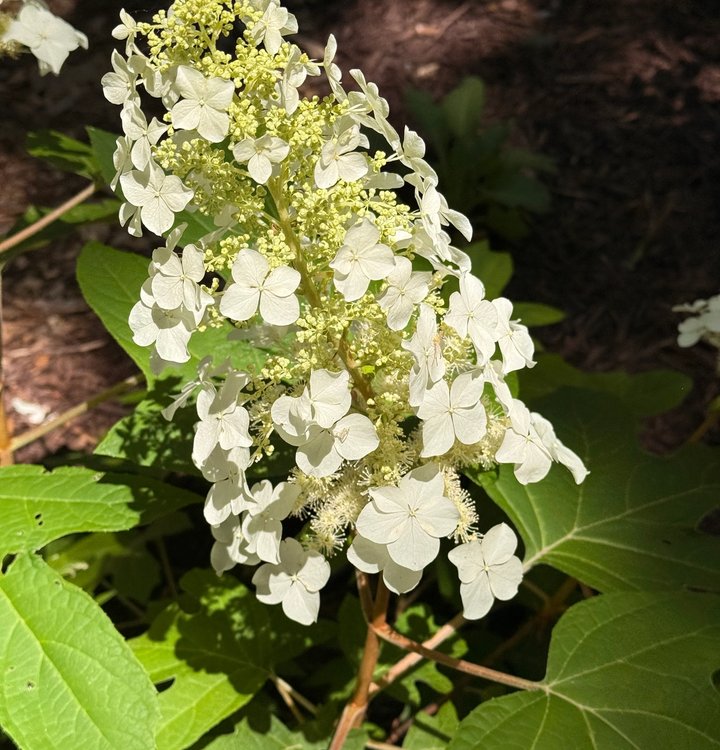
Oakleaf hydrangea
Part Shade • Part Sun • Shade
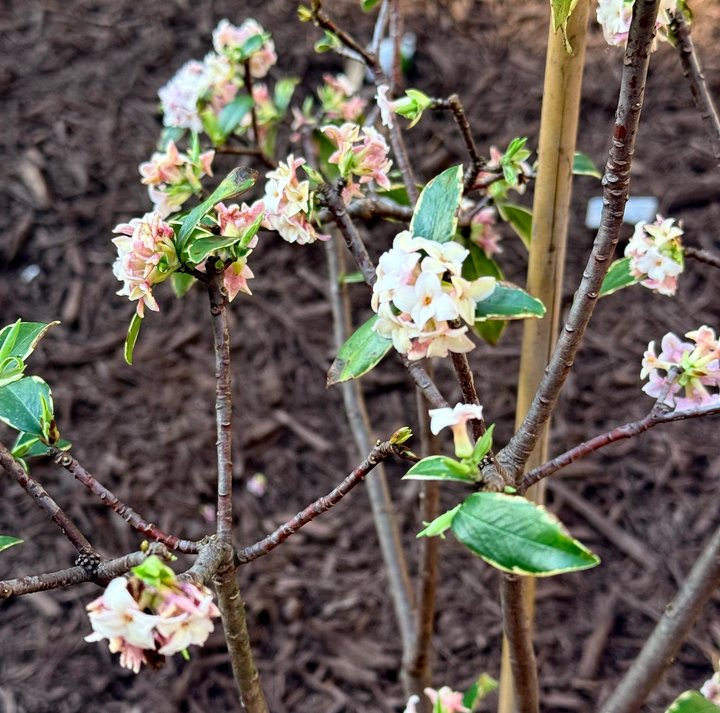
Fragrant Daphne
Part Shade • Part Sun • Shade
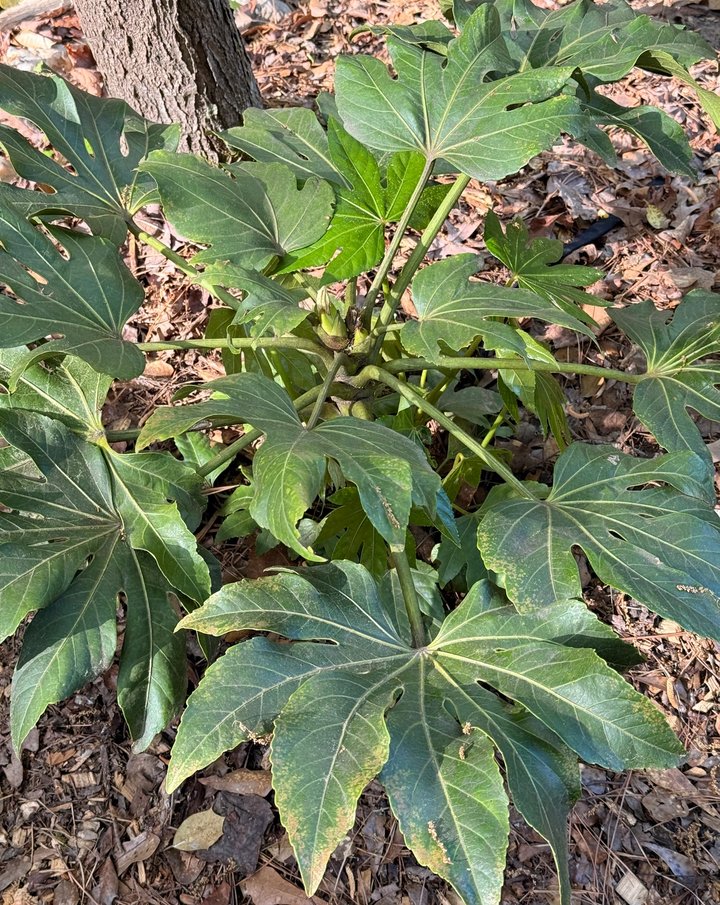
Fatsia
Part Shade • Shade
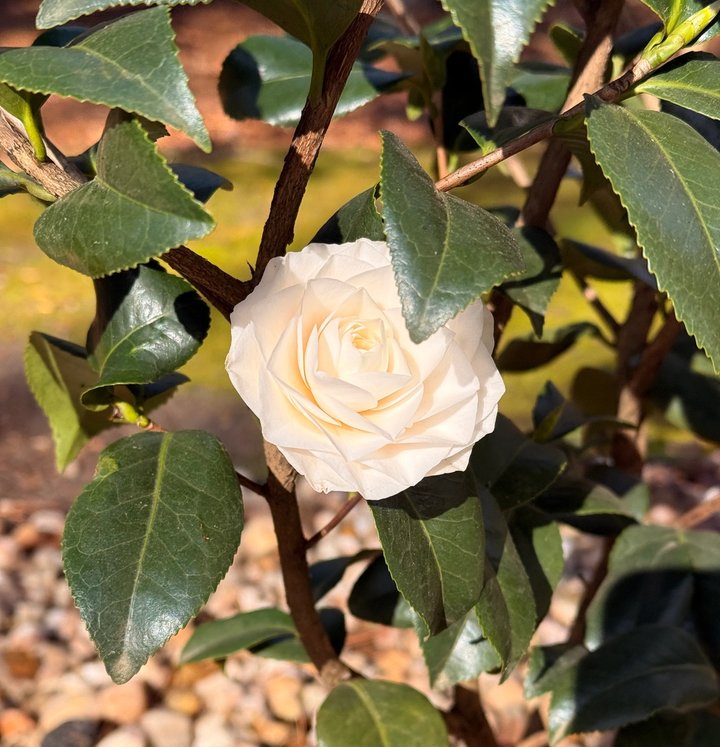
Camellia japonica
Part Shade • Part Sun • Shade
- Ground layer This is where the magic happens through texture and detail. Ferns, hostas, wild ginger, heuchera, epimedium, Solomon’s seal, brunnera, and woodland sedges (Carex) create a lush, living carpet. Add spring ephemerals like trillium, Virginia bluebells, bloodroot, and wood anemone for early color before the canopy leafs out. They appear, bloom, and then quietly disappear. You can still have flowers in shade - astilbe, bleeding heart, lungwort, and toad lilies all bring seasonal color.
Plant list
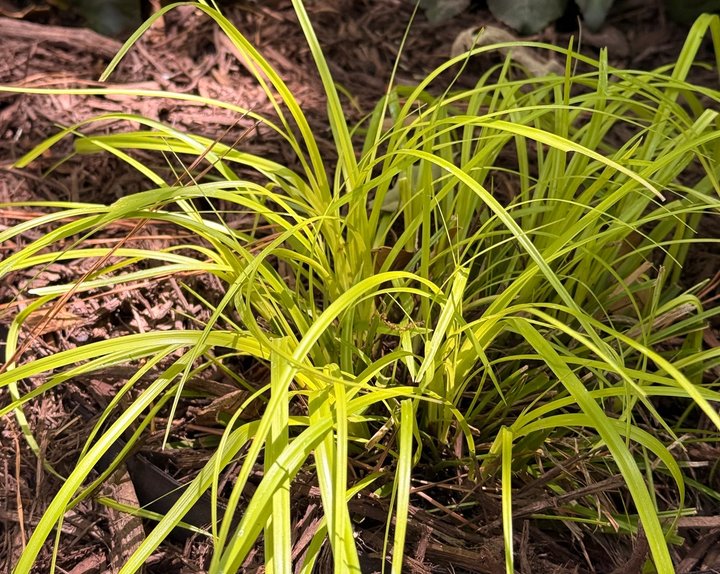
Carex Everillo (Japanese sedge)
Full Sun • Part Shade • Part Sun • Shade
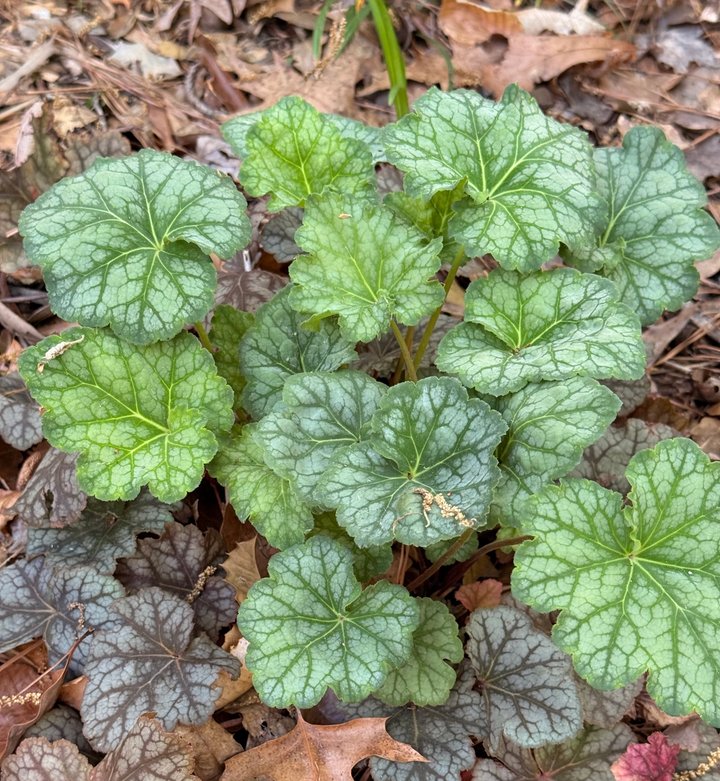
Heuchera (Coral bells)
Part Shade • Part Sun • Shade
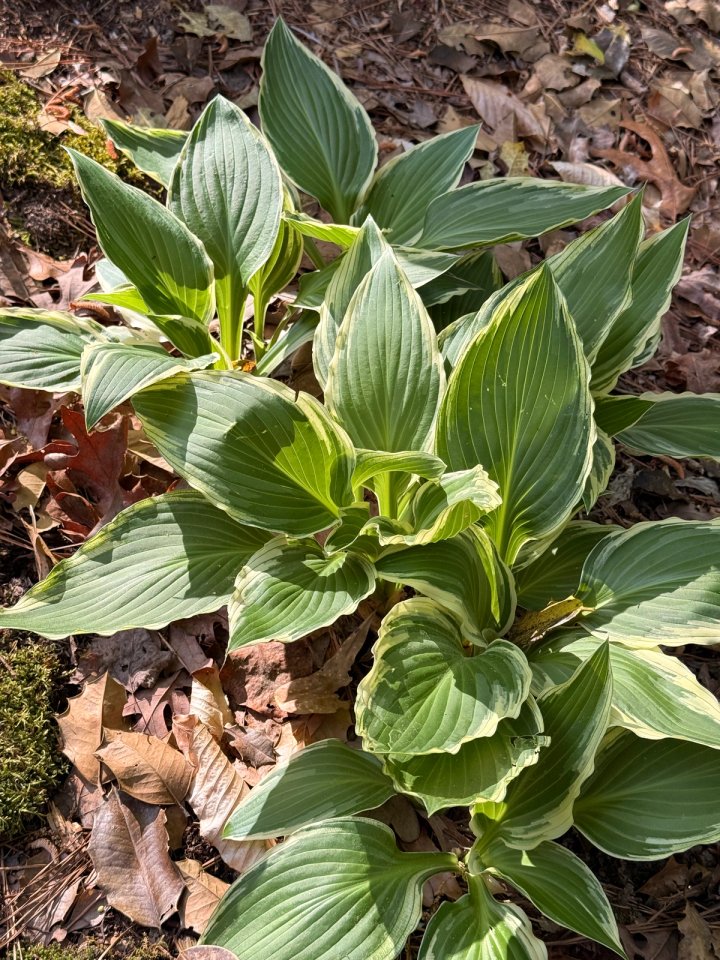
Hosta
Part Shade • Shade
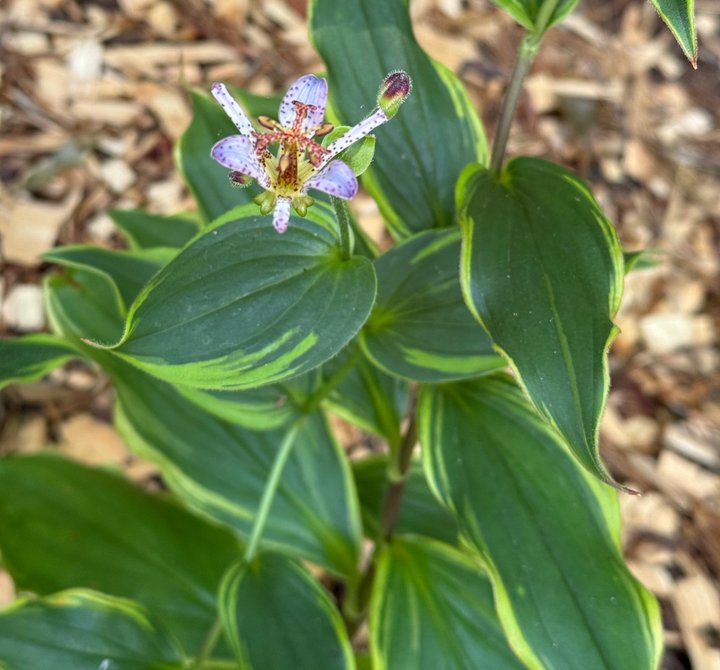
Toad lily
Part Shade • Shade
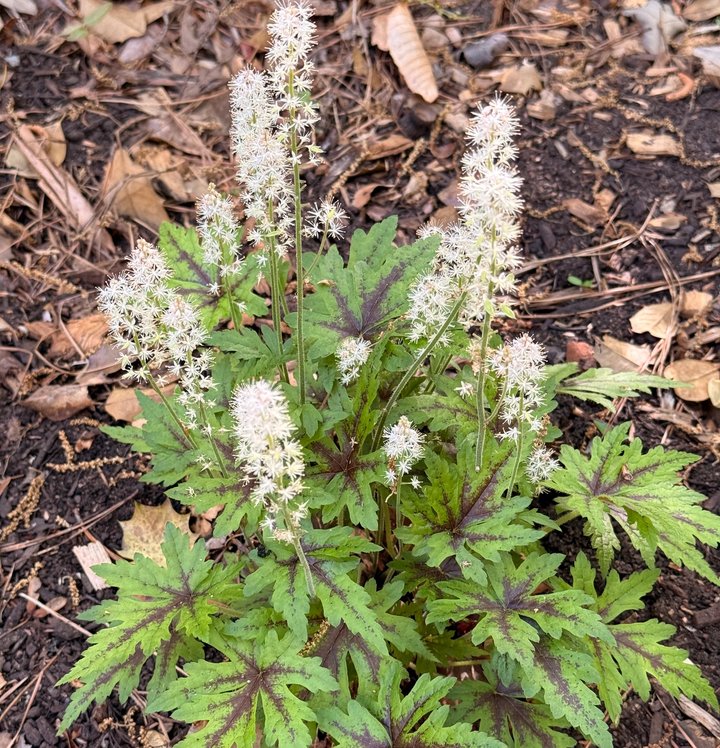
Foamflower (Tiarella)
Part Shade • Shade
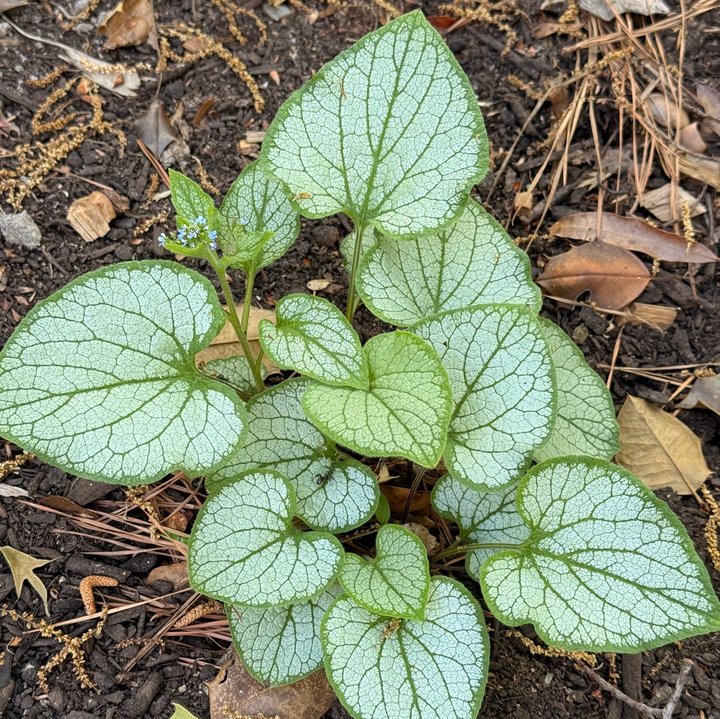
Brunera
Part Shade • Shade
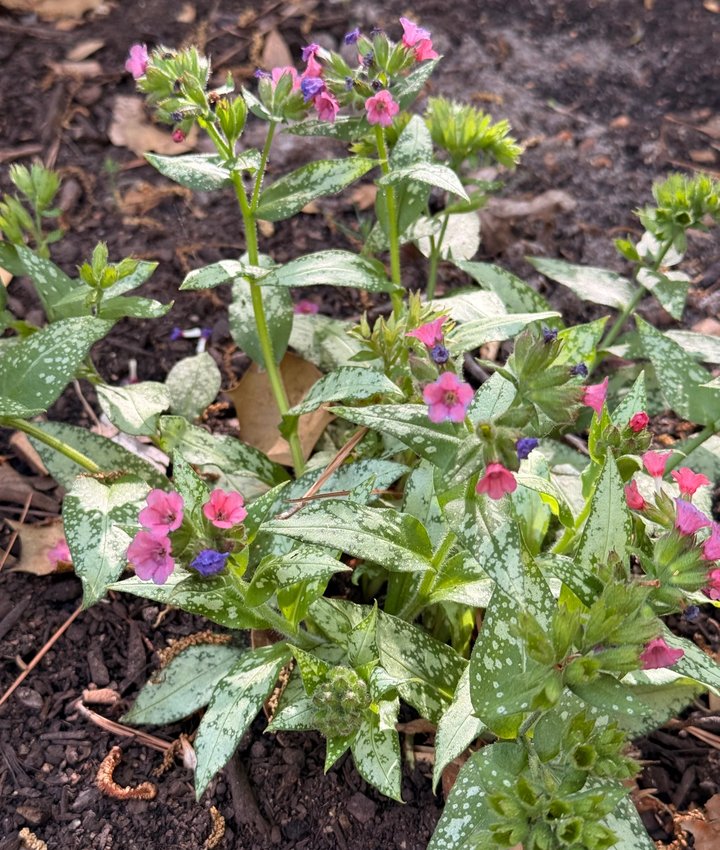
Lungwort (Pulmonaria)
Part Shade • Shade
How to Plan a woodland garden layout
Start by mapping what you already have. Walk your space and observe where shade falls throughout the day, where soil stays moist, and where it drains quickly.
If you’re using BloomMap, you can photograph the area and pin plant locations directly onto the image - especially helpful in woodland gardens where plants can disappear under foliage over time.
Paths. Every woodland garden needs a path, even a simple one. It gives the space purpose and invites movement.
Use informal materials - stepping stones set into mulch, bark paths, or loosely laid flagstone. Avoid straight lines. Gentle curves create a sense of discovery.
Focal points. A large boulder, a weathered bench, a bird bath, or a specimen plant like a Japanese maple can anchor the design. The key is that it should feel discovered, not placed.
Edge transitions. Where your woodland meets lawn or a more formal area, soften the boundary. Drifts of ferns or hostas feel much more natural than a hard edge.
Best Plant Combinations for woodland gardens
These groupings feel natural because they share similar conditions and complement each other in texture.
- Deep shade under mature trees: Christmas fern + wild ginger + foamflower (evergreen or semi-evergreen, quiet and stable year-round)
- Dappled light at edges: Astilbe + Japanese painted fern + brunnera or hosta (soft contrast between feathery and broad foliage)
- Spring sequence: Virginia bluebells + bleeding heart + Solomon’s seal (continuous bloom from early to mid-spring)
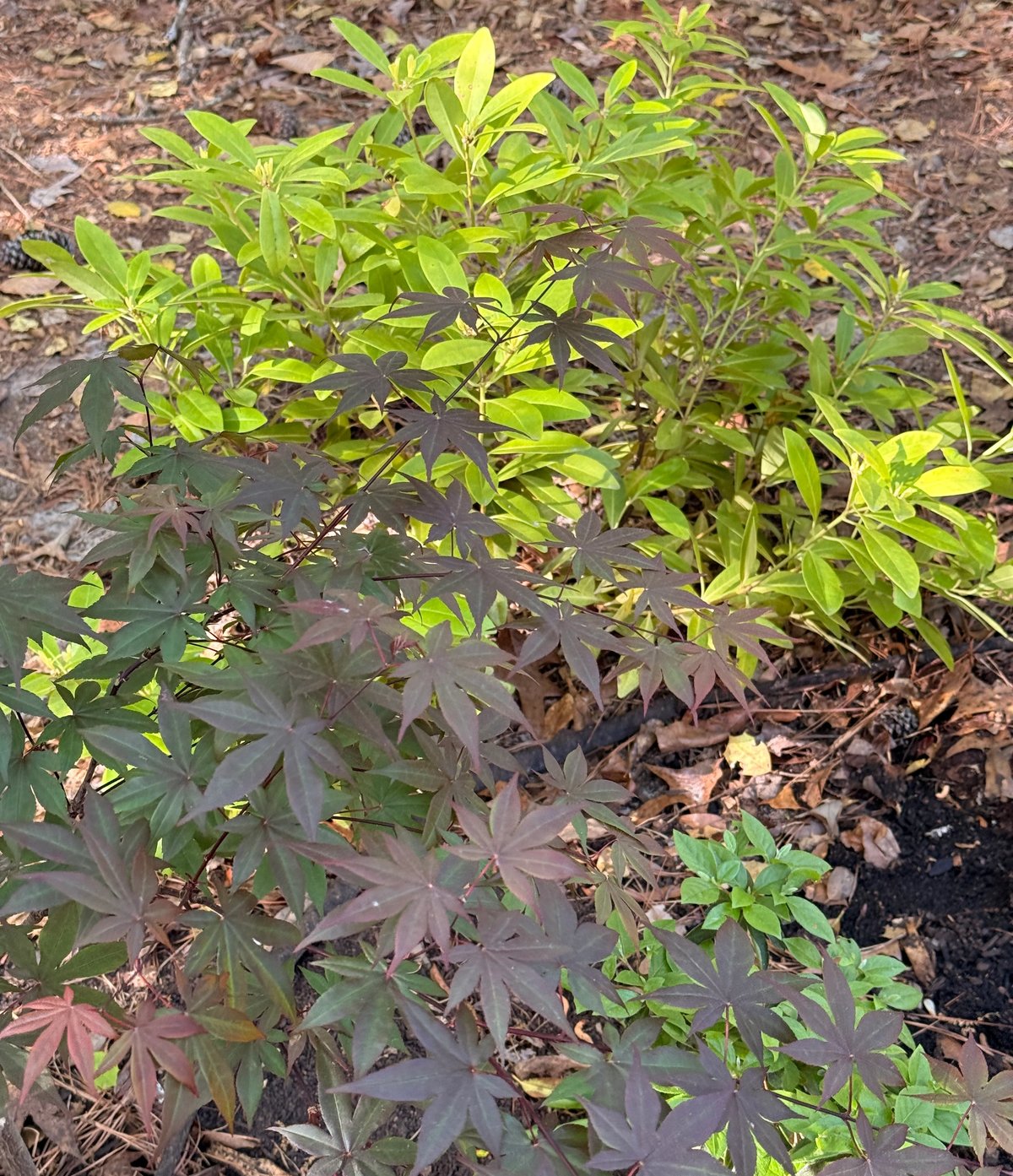
- Color contrast: Pair burgundy tones with chartreuse greens (e.g., Bloodgood Japanese maple + Florida Sunshine illicium, with hostas and astilbe below)
Soil and Mulch for woodland gardens
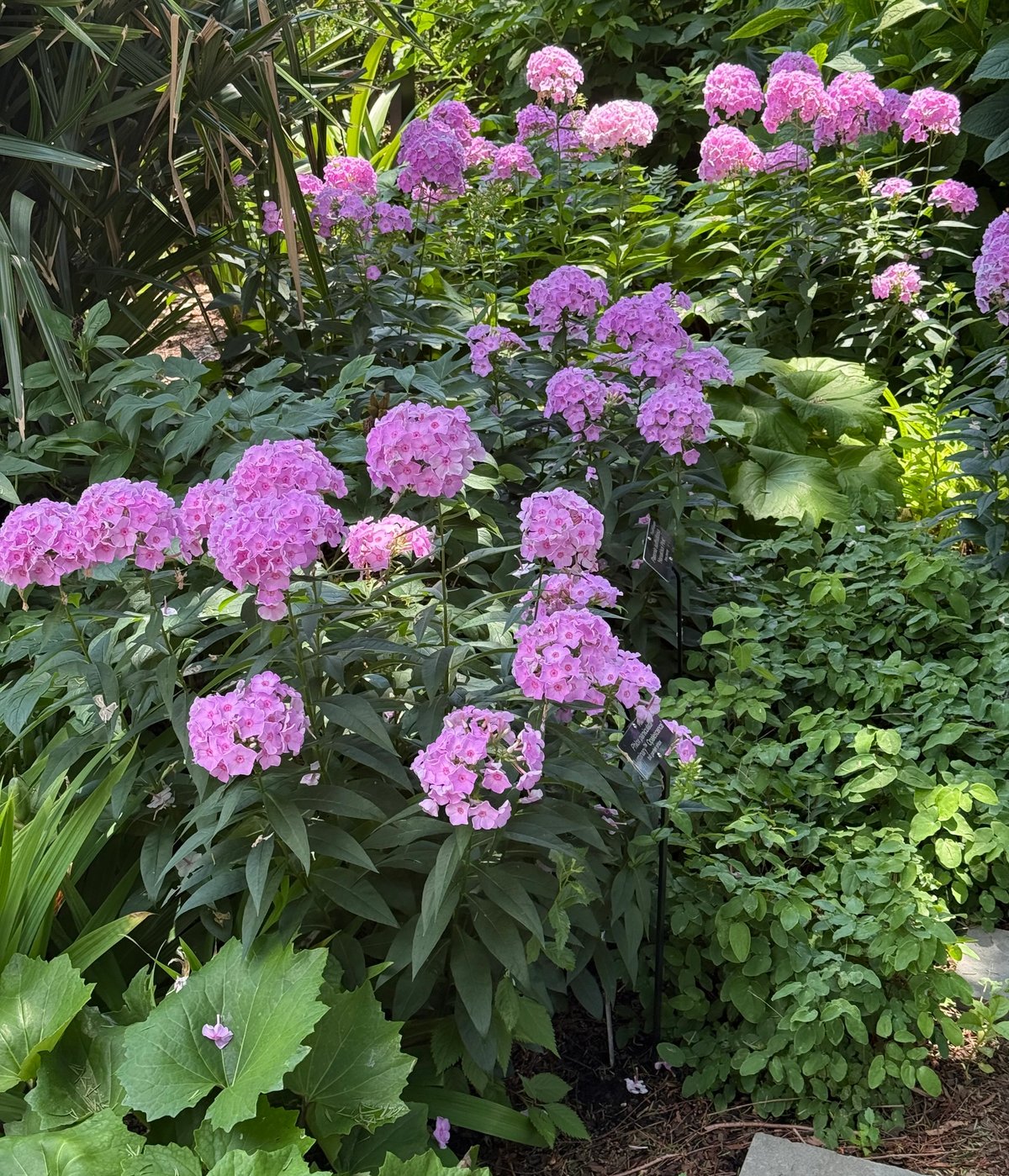
Woodland plants thrive in humus-rich, well-drained soil. If your soil is heavy clay or very sandy, amend it with compost.
Leaf mulch or arborist wood chips are ideal - they mimic a natural forest floor and slowly feed the soil as they break down.
Avoid dyed red or black mulch - it feels artificial and disrupts the woodland mood. For a tidier look, natural hardwood mulch can work.
Why Woodland Gardens are easy to maintain
A woodland garden is one of the most forgiving styles once established. The plants are adapted to the conditions, mulch naturally suppresses weeds, and the design improves with time as everything fills in and settles.
It rewards patience - and attention. The kind of garden you’ll want to return to, season after season.
Woodland gardens are one of the best low-maintenance shade garden ideas, especially for areas under mature trees where traditional planting struggles.
Tips
- Soil under trees is often dry due to root competition
- Focus on texture: large leaves + fine foliage
- Use multiple shades of green for depth
- Shade can be dry or wet - choose plants accordingly
- Woodland gardens succeed when you observe conditions first, then choose plants - not the other way around
It’s easy to forget what was planted where. Keep your garden memory in one place.
Tags
Related ideas
More to explore

Garden design
How to Design a Garden Bed Like a Designer: The 5 Principles That Make It Look Intentional
The difference between a garden that looks designed and one that looks like a plant sale isn't the plants - it's five principles. Layering, structure, color, repetition, and bloom sequence, explained.
July 21, 2026

Garden design
How I Track My Garden Year by Year (Without Guessing Every Spring)
If you forget what you planted every spring, this simple visual system helps you track your garden year by year - without notes or guesswork.
May 6, 2026

Foundation Planting Guide - How to Prepare, Design, and Plant the Beds Around Your House
Here's how to do it right, starting with the ground work that most guides skip entirely.
April 28, 2026