

Shade Garden Design - How to Create a Beautiful Garden Without Full Sun
Garden design
April 8, 2026
When people say "nothing grows in shade," what they really mean is "I don't know what grows in shade." The truth is, some of the most beautiful plants on the planet evolved on the forest floor, and they're perfectly happy in the shadiest corner of your yard.
Understanding your shade
Not all shade is equal, and knowing what type you have changes everything about what will grow well.
Dappled shade is the best kind for gardening. It's the light that filters through the canopy of deciduous trees or high pines - some sun gets through, but it's broken and shifting. Most shade-loving plants thrive here. If you have a yard under oaks, maples, or other deciduous trees, this is what you have for most of the growing season.
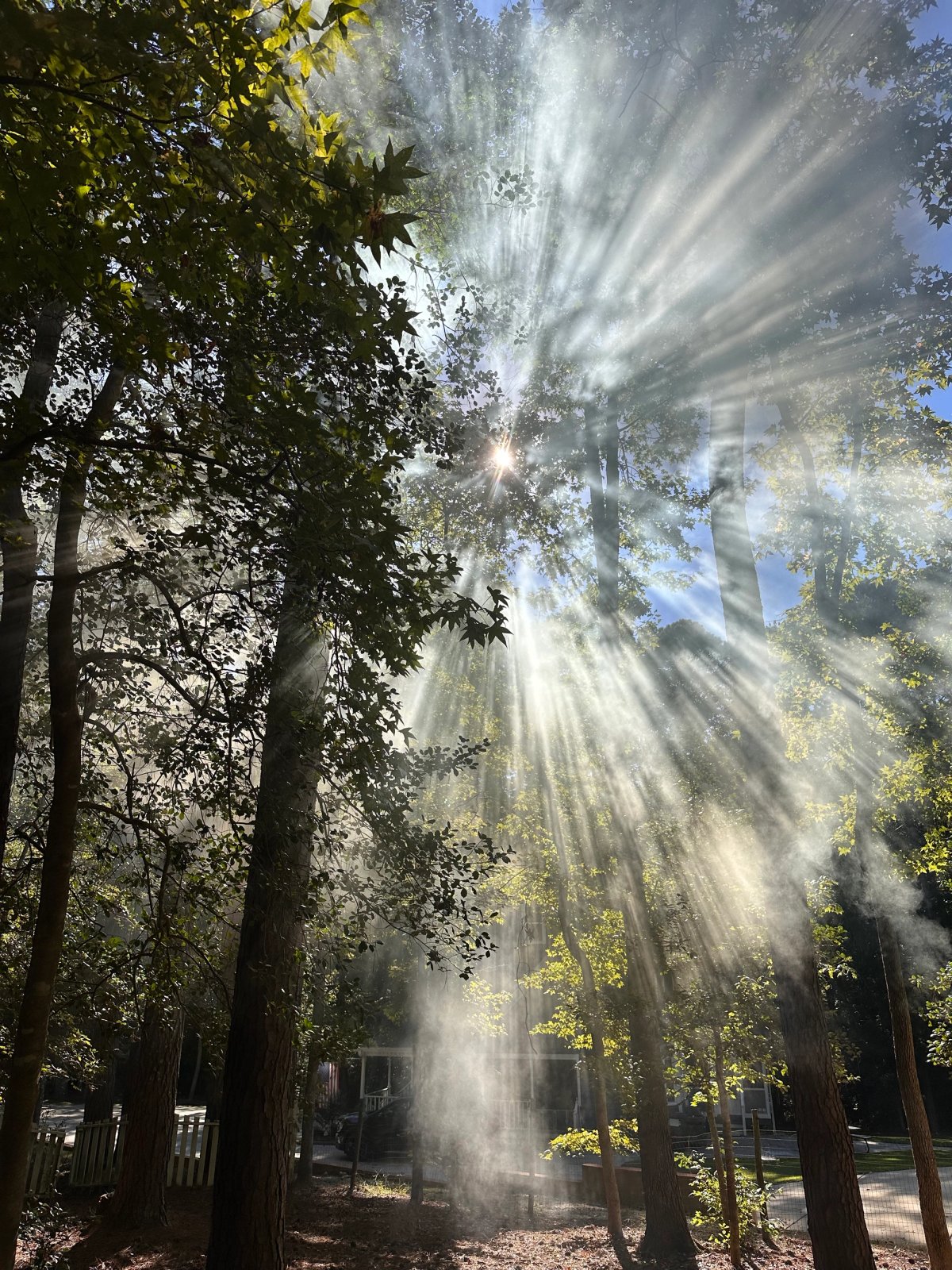
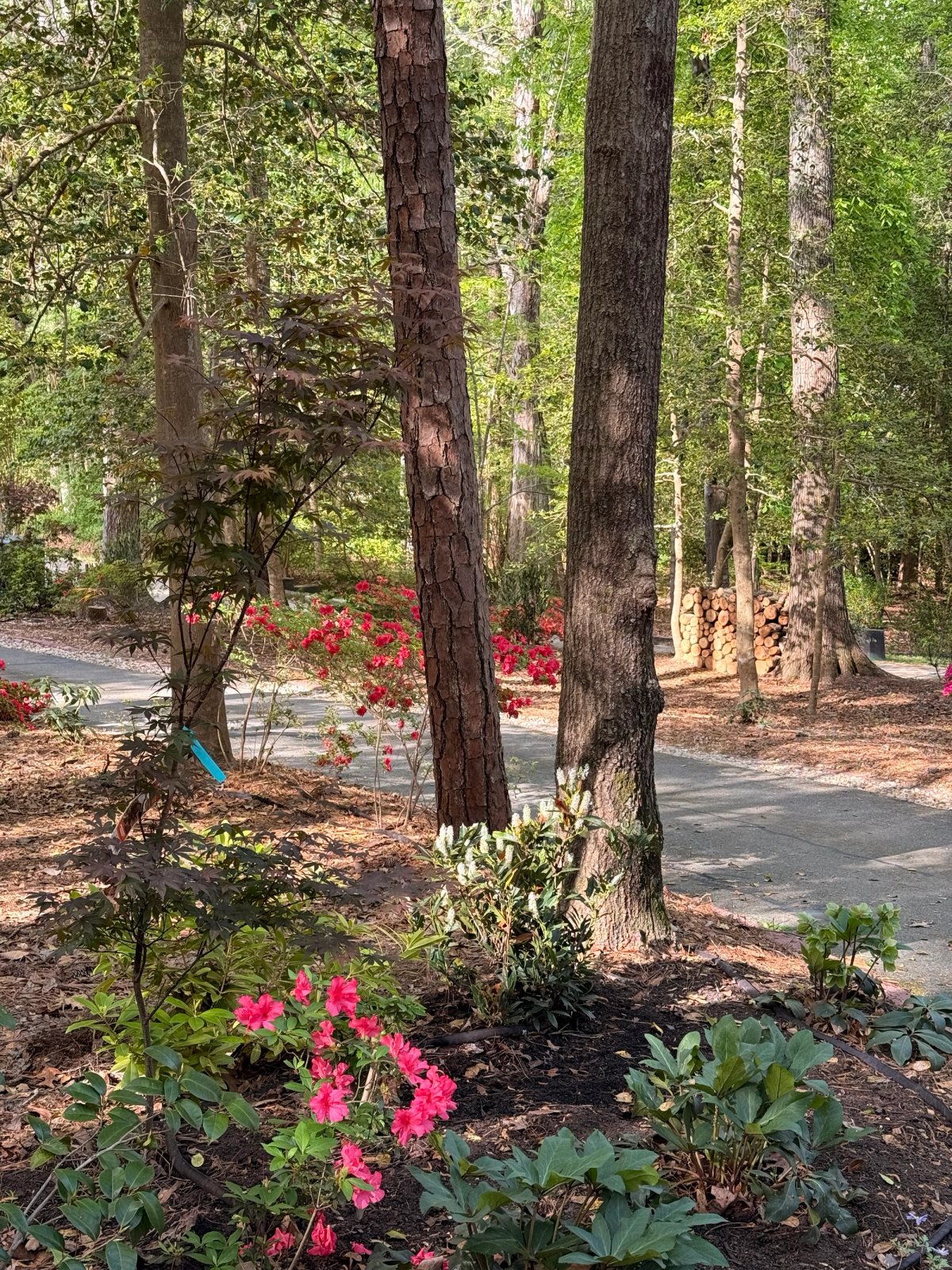
Partial shade means an area that gets 3–6 hours of direct sun, usually in the morning or late afternoon. Many plants marketed as "sun" plants actually perform well here too, giving you a wider range to choose from.
Full shade is trickier - areas that receive less than 3 hours of direct sun all day. Think the north side of your house, under dense evergreens, or between buildings. Fewer plants thrive here, but the ones that do are spectacularly adapted.
Dry shade is the hardest condition. Found under shallow-rooted trees like maples and beeches, where the conditions are both dark and dry. This is where plant selection matters most. Interesting fact: biggest part of my garden is dry shade, with mature trees - like oaks, pines, evergreen holly trees an maples.
Design principles for shade gardens
Lead with foliage, not flowers.
In shade, leaves are your primary design material. Look for variety in leaf size, shape, color, and texture. A garden with giant hosta or fatsia leaves next to fine fern fronds next to the heart-shaped leaves of brunnera next to the jagged edges of heuchera will be visually rich even with zero flowers open.
Use contrast.
Dark green against chartreuse. Broad leaves against narrow. Matte surfaces against glossy. In a shade garden, contrast does the heavy lifting that flower color does in a sunny bed.
Include a few white or pale flowers.
White and pale yellow flowers glow in shade - they're practically luminous. Astilbe, white bleeding heart, white impatiens, snowdrops, and white wood asters light up dark corners in a way that hot-colored flowers can't. Same as white varieties of hydrangea, camellia or azalea.
Add structure.
Shade gardens can feel flat and mushy without structural elements. Include at least one or two plants with strong architectural form - the upright spikes of ligularia, the umbrella shapes of mayapple, or the vase form of a Japanese forest grass. A single well-placed fern can be more striking than a whole sweep of hostas.
Plant list
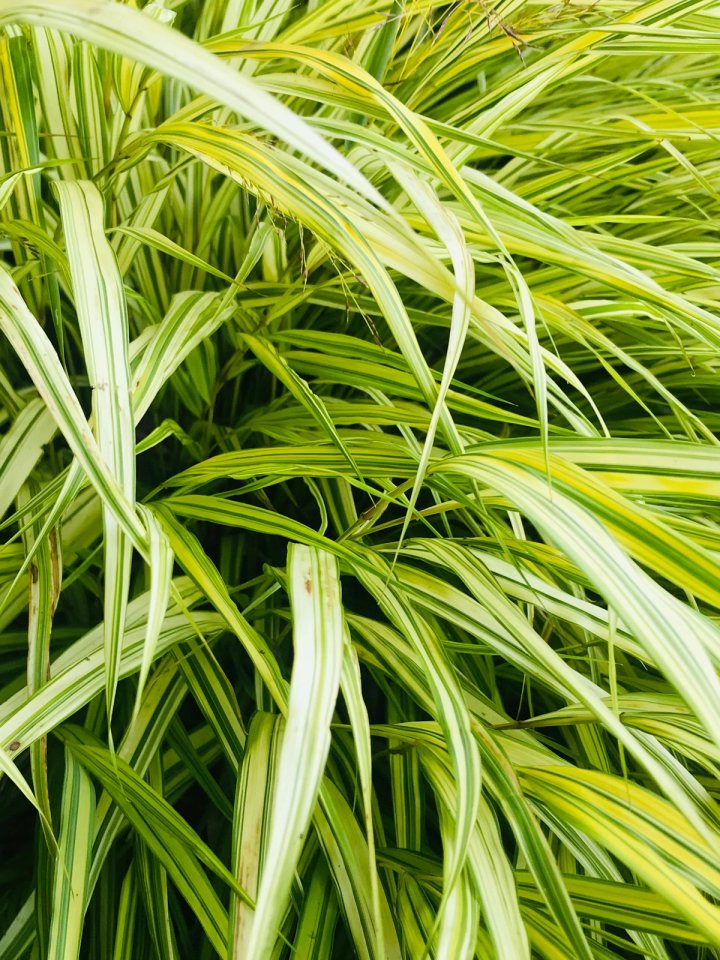
Japanese forest grass
Part Shade • Part Sun • Shade
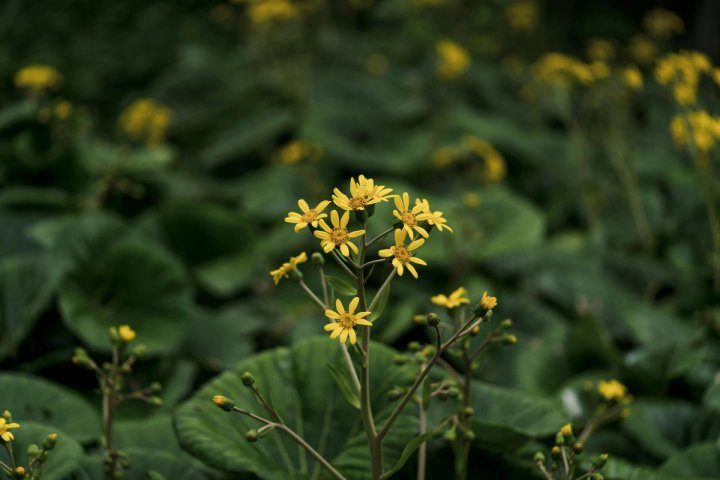
Ligularia
Part Shade • Shade
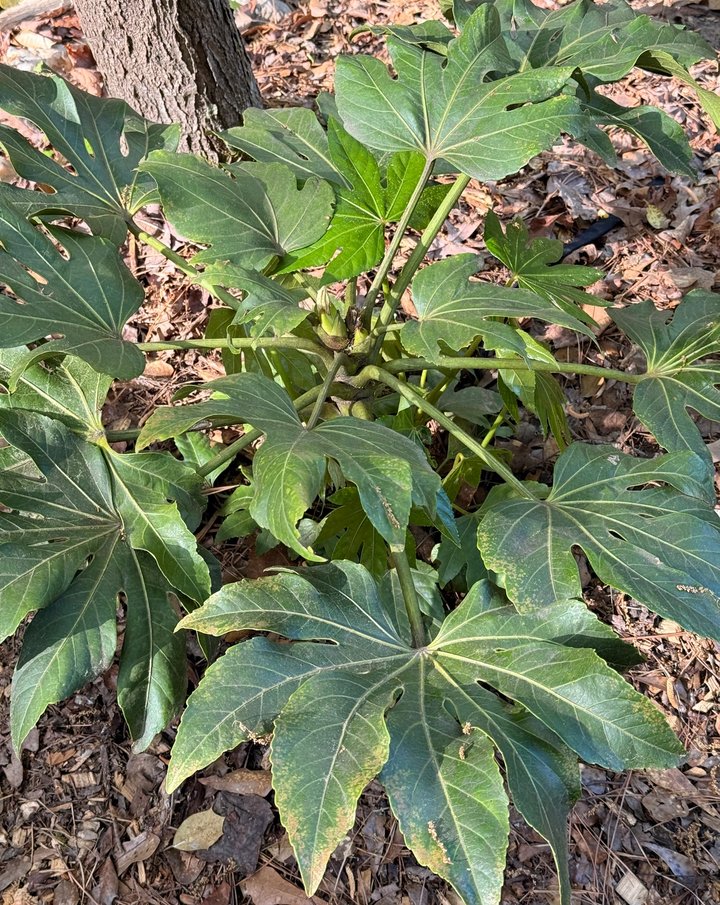
Fatsia
Part Shade • Shade
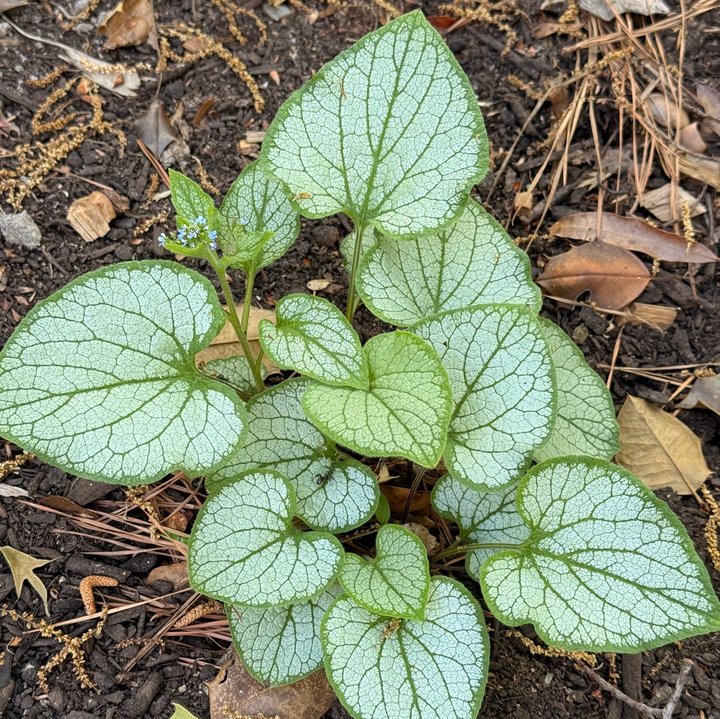
Brunera
Part Shade • Shade
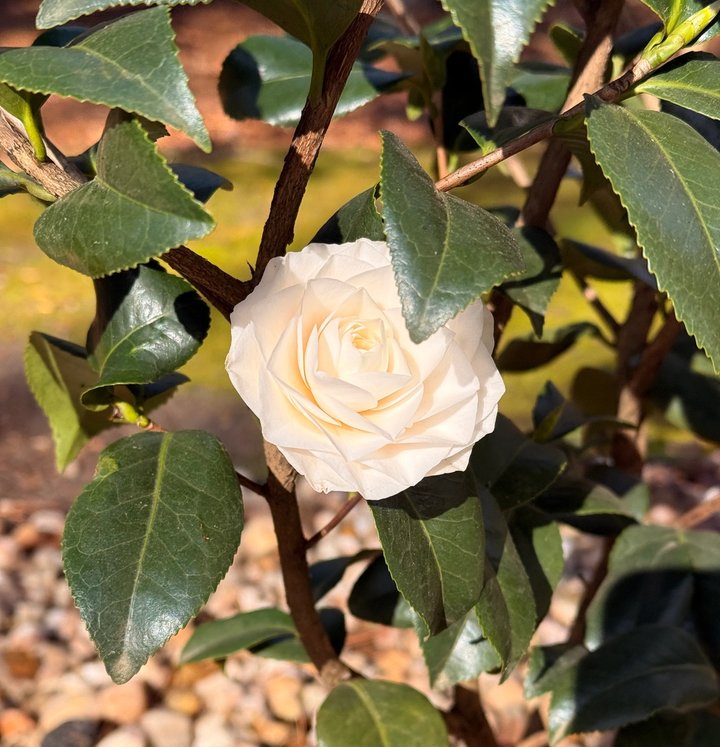
Camellia japonica
Part Shade • Part Sun • Shade
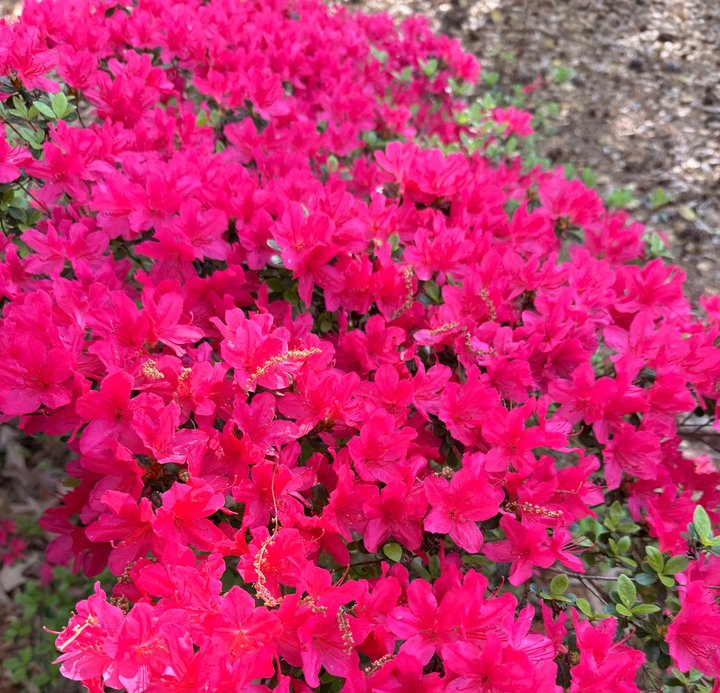
Evergreen Azaleas
Part Shade • Part Sun • Shade
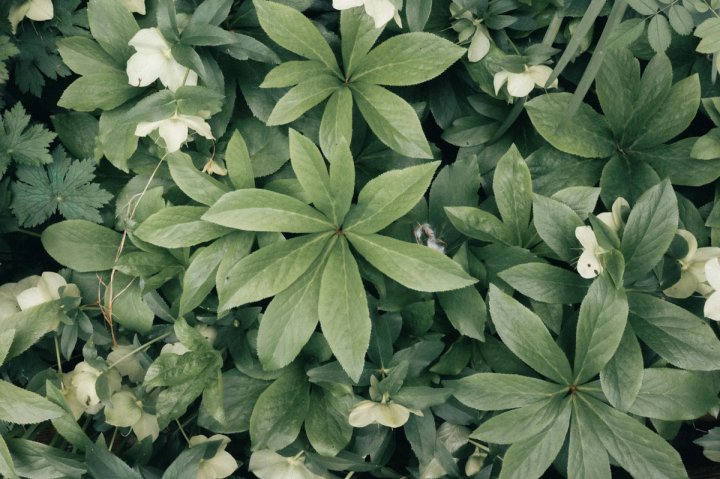
Mayapple
Part Shade • Shade
Plants that love shade
For deep shade: Japanese painted fern (Athyrium niponicum), wild ginger (Asarum), dead nettle (Lamium maculatum), epimedium, pachysandra. These are the tough ones that handle the hardest conditions.
Plant list
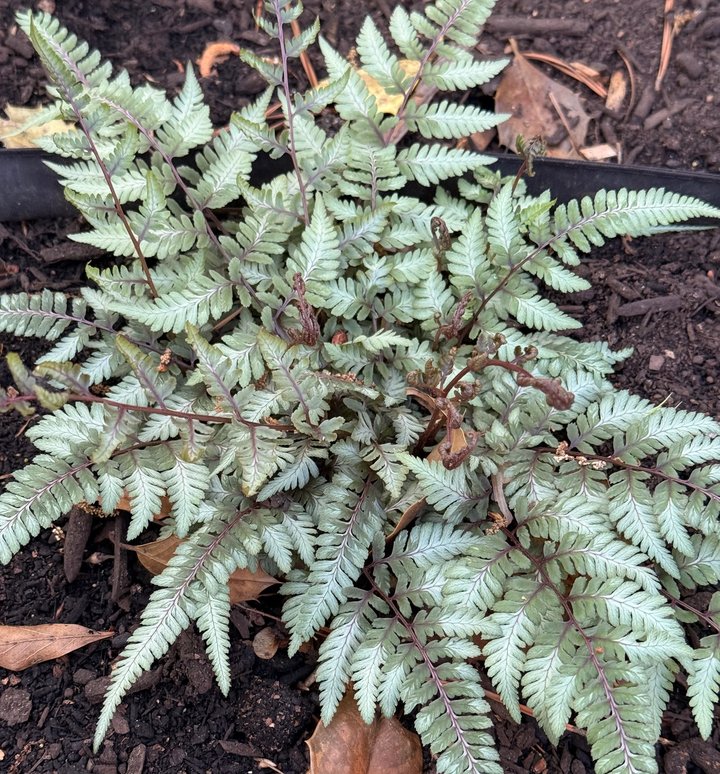
Japanese Painted Fern
Part Shade • Shade
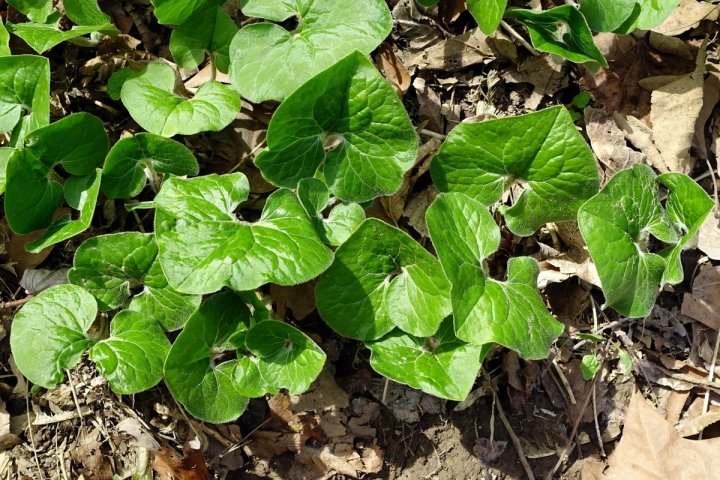
Wild Ginger
Part Shade • Shade
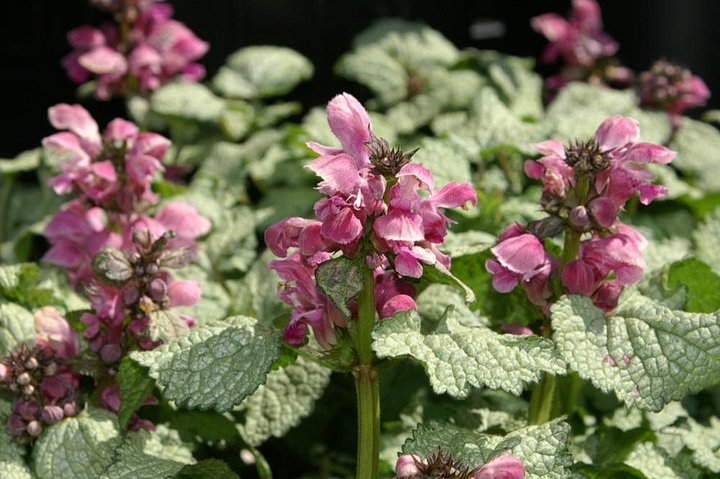
Dead nettle (Lamium maculatum)
Part Shade • Shade
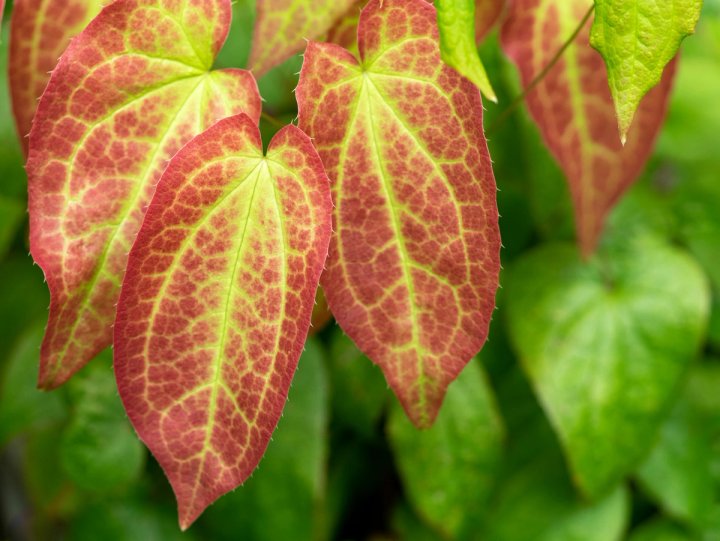
Epimedium
Part Shade • Shade
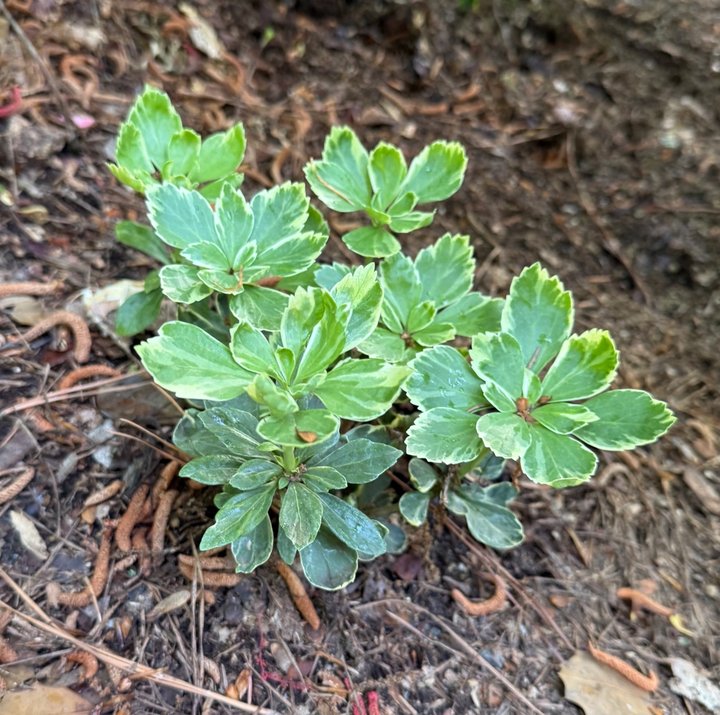
Pachysandra variegated
Part Shade • Part Sun • Shade
For dappled shade: Hostas (obviously, but choose the blue-leaved and variegated varieties for maximum impact), astilbe, bleeding heart (Dicentra), heuchera (coral bells - the colored-leaf varieties add huge interest), toad lily (Tricyrtis), and Japanese anemone for fall bloom.
Plant list
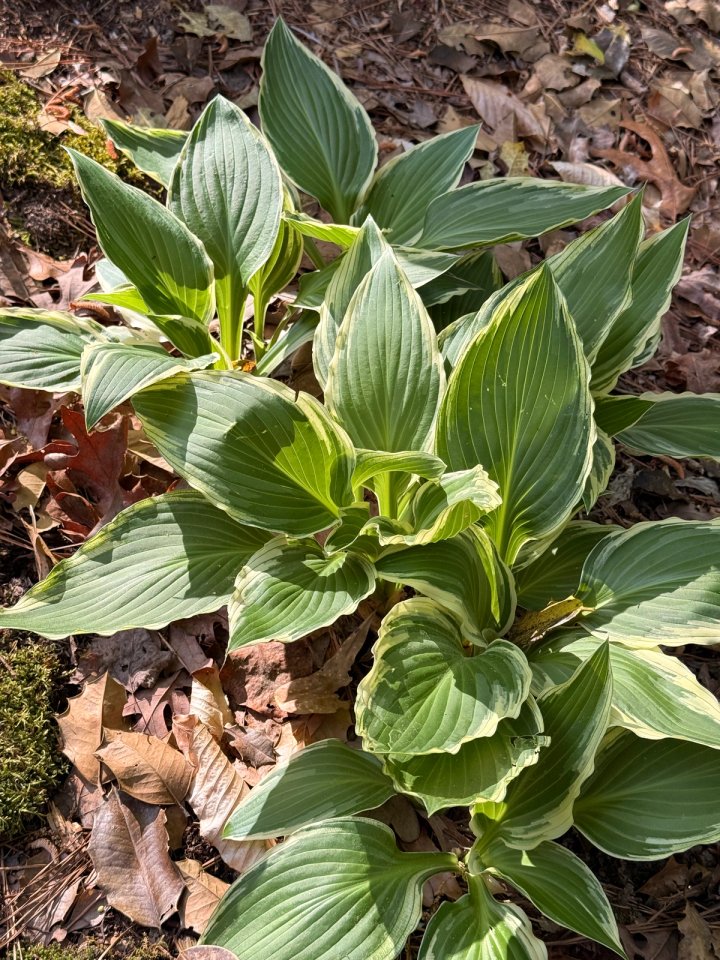
Hosta
Part Shade • Shade
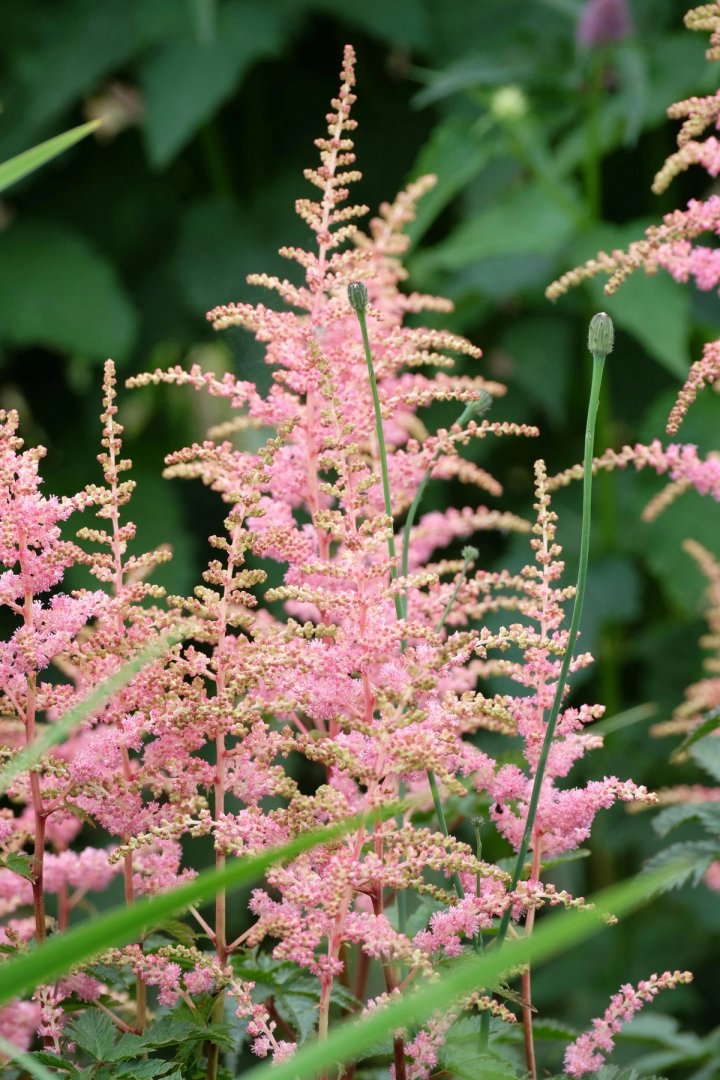
Astilbe
Part Shade • Part Sun • Shade
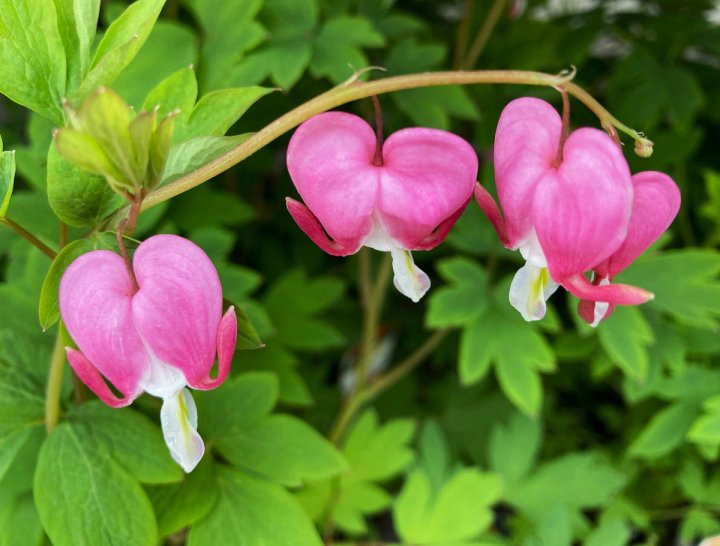
Bleeding heart
Part Shade • Part Sun • Shade
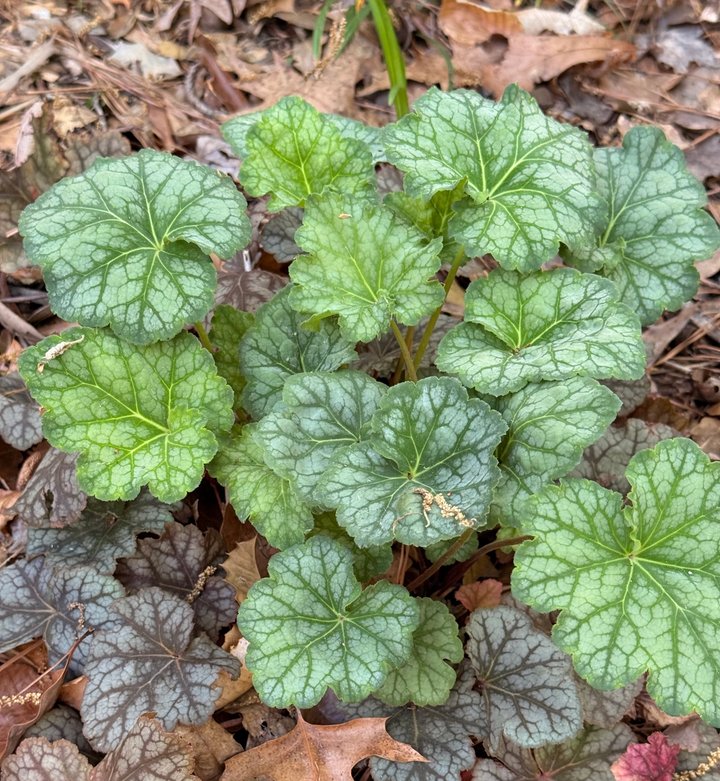
Heuchera (Coral bells)
Part Shade • Part Sun • Shade
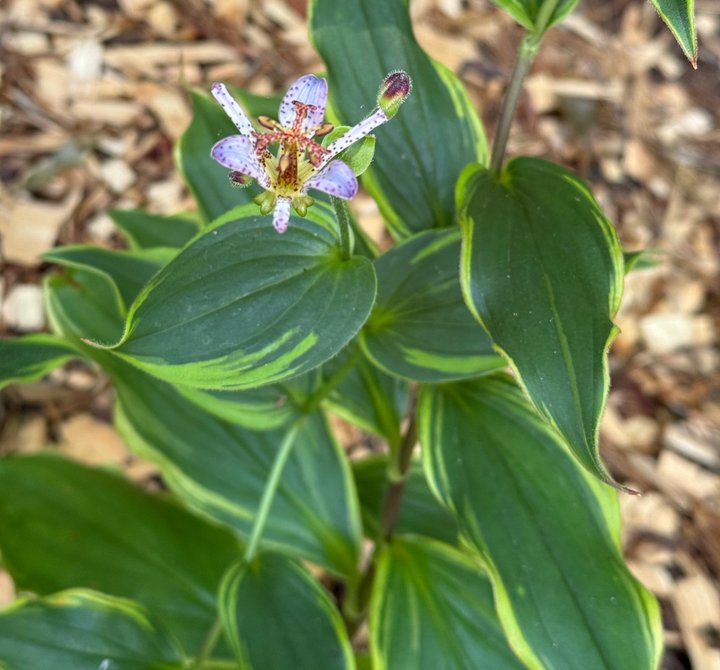
Toad lily
Part Shade • Shade
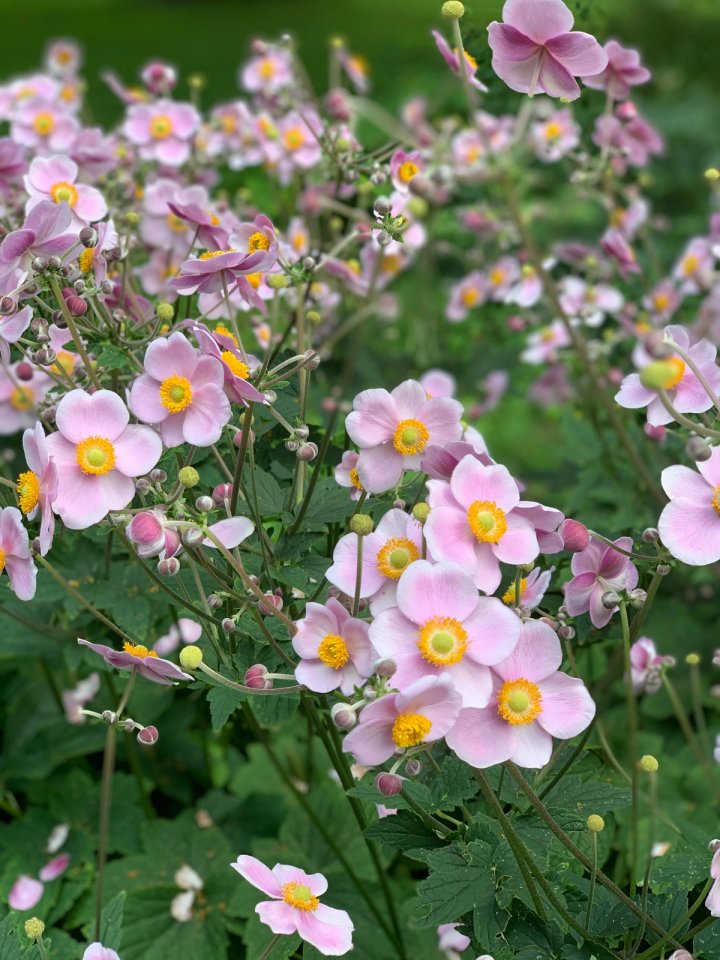
Japanese anemone
Part Shade • Part Sun
For partial shade: Hydrangeas (especially Endless Summer and oakleaf varieties), hellebores (the first flowers of late winter), foxglove, columbine, and Solomon's seal. These can handle some morning sun and reward you with more bloom than deep shade plants.
Plant list
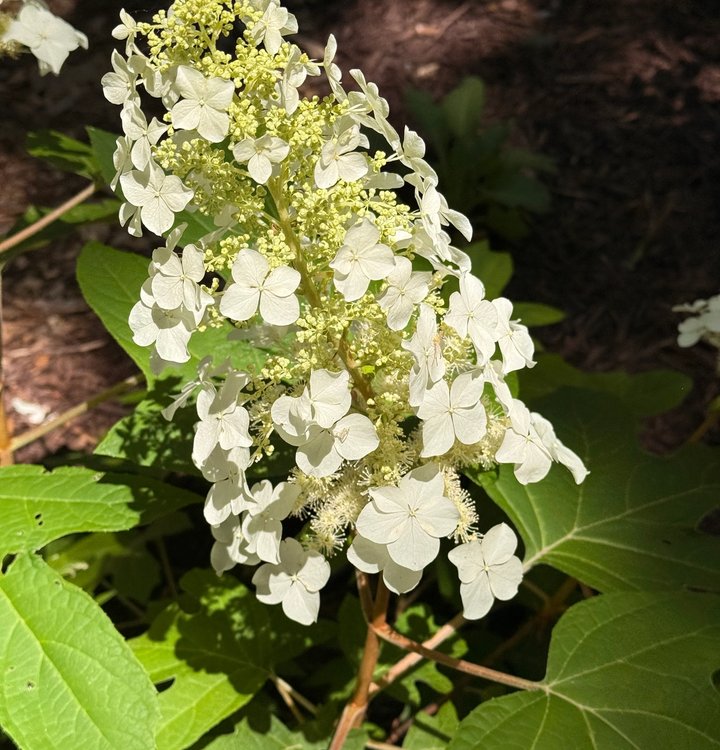
Oakleaf hydrangea
Part Shade • Part Sun • Shade
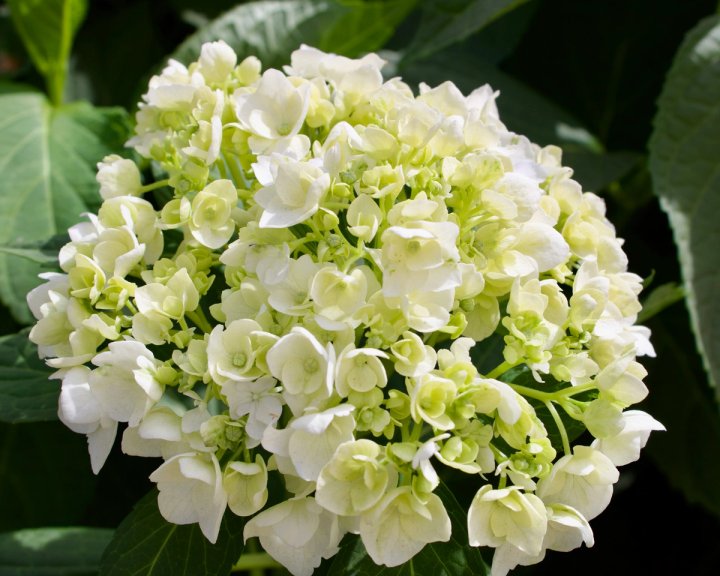
Hydrangea Wedding gown
Part Shade • Part Sun • Shade
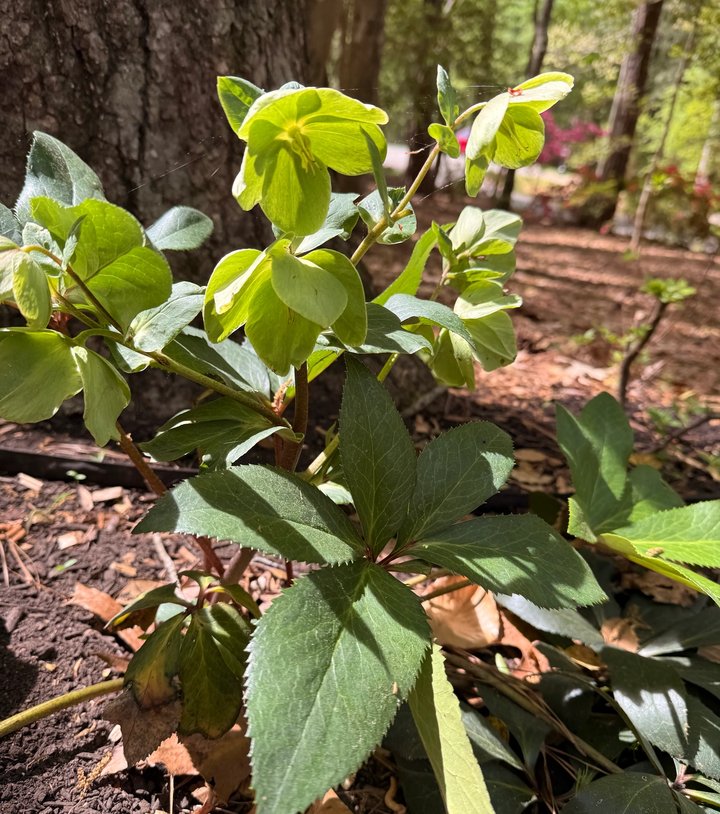
Hellebores
Part Shade • Shade
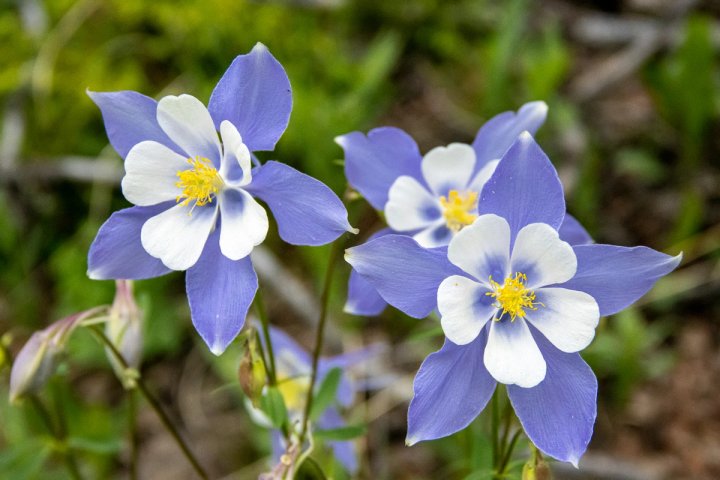
Columbine
Part Shade • Part Sun
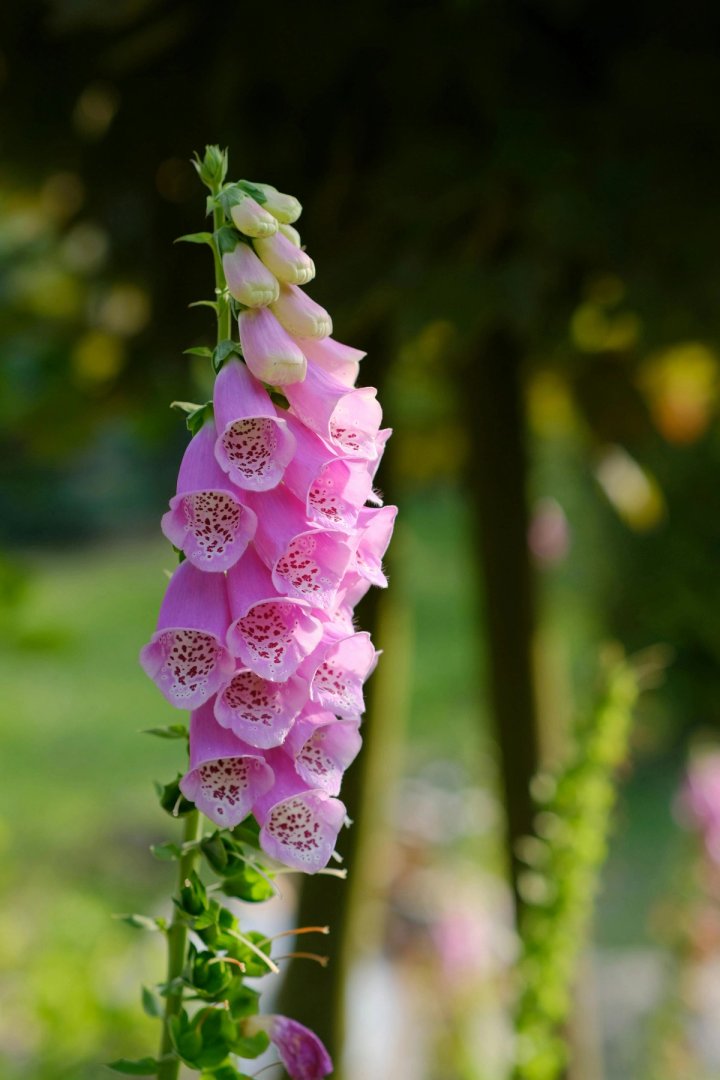
Foxglove
Part Shade • Part Sun
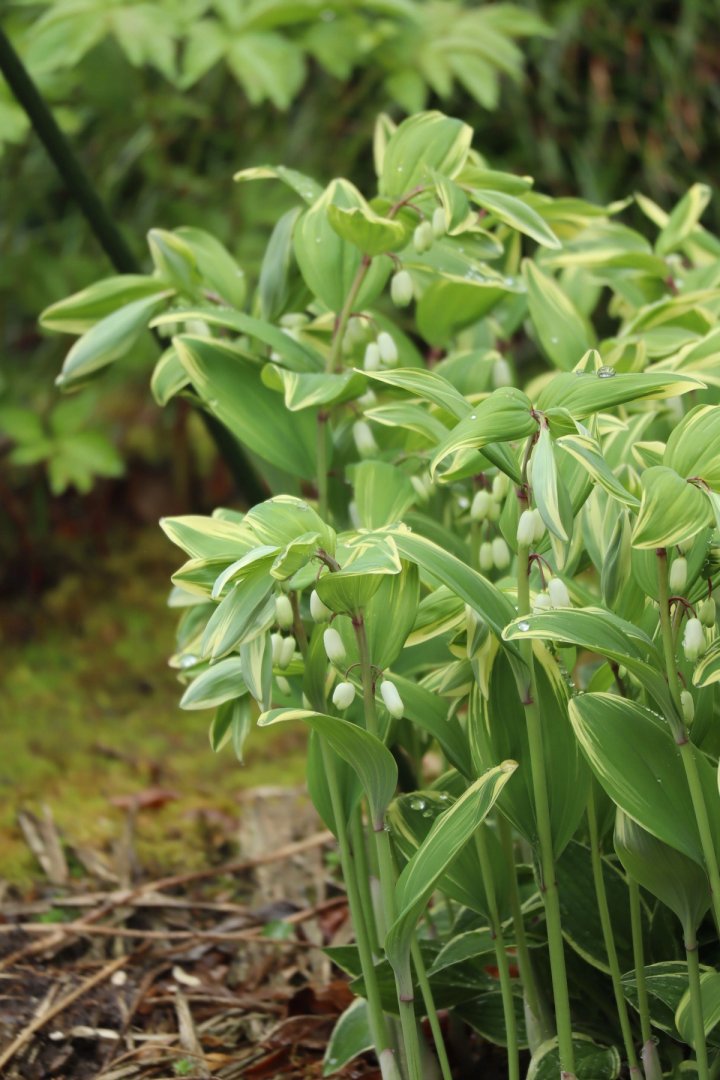
Solomon's seal
Part Shade • Part Sun
For dry shade (the hard one): Epimedium (the undisputed champion of dry shade), liriope, sweet woodruff, bigroot geranium (Geranium macrorrhizum), and Christmas fern. Once established, these plants barely need watering.
Plant list
Epimedium
Part Shade • Shade
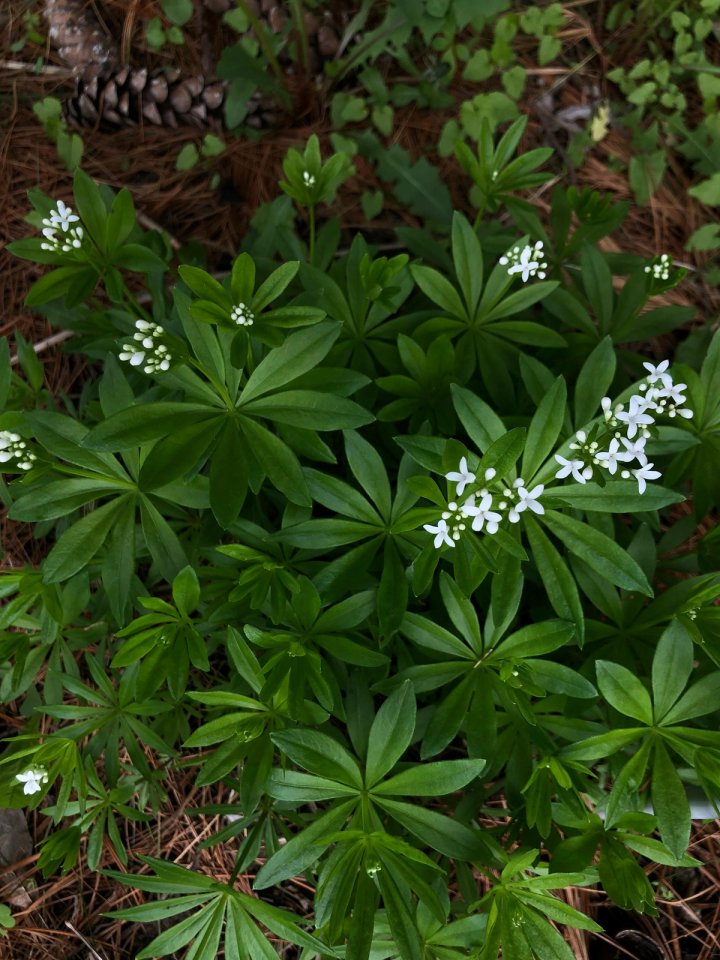
Sweet woodruff
Part Shade • Part Sun • Shade
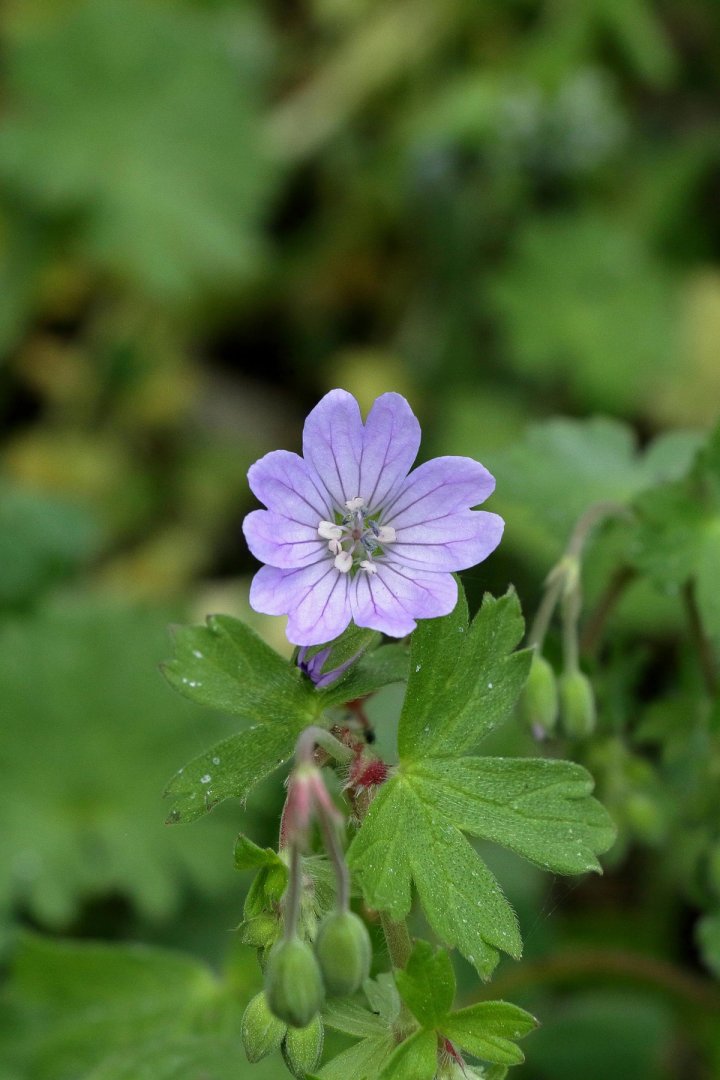
Bigroot geranium (Geranium macrorrhizum)
Part Shade • Part Sun • Shade
A shade garden layout
Imagine a bed along the north side of your house, about 4 feet deep and 15 feet long. Here's how you might lay it out, from back (against the house) to front:
Back row: Three oakleaf hydrangeas spaced 4 feet apart. They'll fill in to create a billowing backdrop of textured leaves and white summer flowers that fade to pink.
Middle row: Alternating groups of hostas (choose a blue variety like 'Halcyon') and astilbe ('Visions in Pink' or white 'Deutschland'). The broad, solid hosta leaves contrast with the feathery astilbe plumes.
Front row: A continuous sweep of heuchera - choose two or three varieties in different leaf colors (like 'Palace Purple,' 'Citronelle,' and 'Obsidian') and alternate them for a colorful carpet effect. Tuck in a few groups of snowdrops and crocus at the very front for early spring surprises.
Accent: One Japanese painted fern placed off-center where it catches a bit of light. Its silvery fronds will practically glow.
The beauty of a shade garden is that it improves every year. Hostas get more impressive with age, ferns slowly colonize the gaps, and the whole composition knits together into something that looks like it's always been there.
Shade can be tricky - especially in dry areas under trees. Keep track of what works and where with a simple visual map.
Tags
Related ideas
More to explore

Garden design
How to Design a Garden Bed Like a Designer: The 5 Principles That Make It Look Intentional
The difference between a garden that looks designed and one that looks like a plant sale isn't the plants - it's five principles. Layering, structure, color, repetition, and bloom sequence, explained.
July 21, 2026

Garden design
How I Track My Garden Year by Year (Without Guessing Every Spring)
If you forget what you planted every spring, this simple visual system helps you track your garden year by year - without notes or guesswork.
May 6, 2026

Foundation Planting Guide - How to Prepare, Design, and Plant the Beds Around Your House
Here's how to do it right, starting with the ground work that most guides skip entirely.
April 28, 2026