

Small Backyard Garden Plan - Making the Most of a Compact Space
Garden design
April 6, 2026
A small backyard doesn't mean a limited garden. Some of the most beautiful, interesting gardens I've seen are under 500 square feet. What they lack in ize, they make up for in intention - every plant is chosen deliberately, every square foot earns its place.
Start with how you use the space
Before picking a single plant, think about what you actually want to do in your backyard. Sit with coffee in the morning? Grow a few vegetables? Let kids or dogs play? Host a few friends for dinner?
Most small backyards try to do everything and end up doing nothing well. Pick your top two priorities and design around them. Everything else fits in the margins.
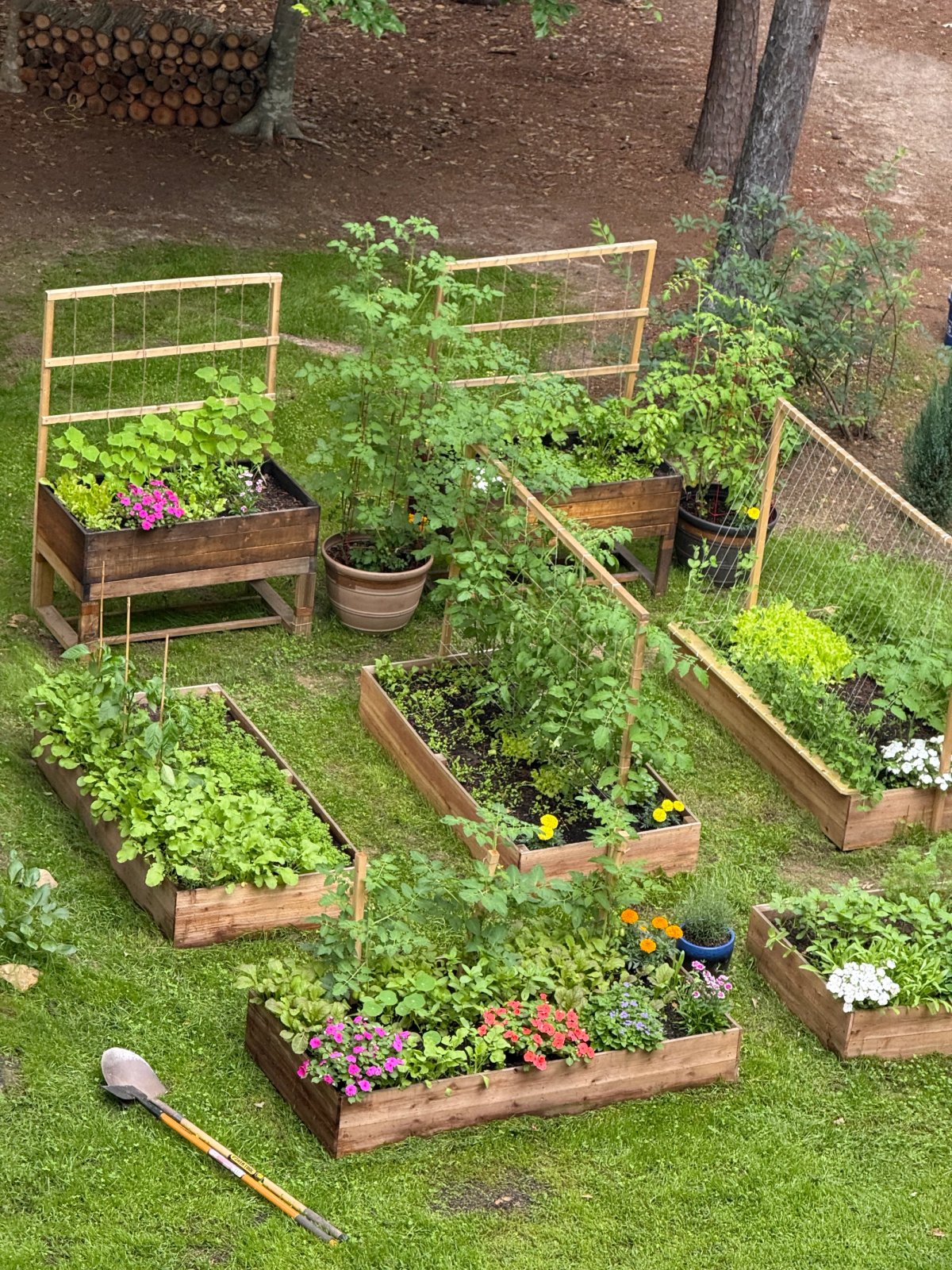
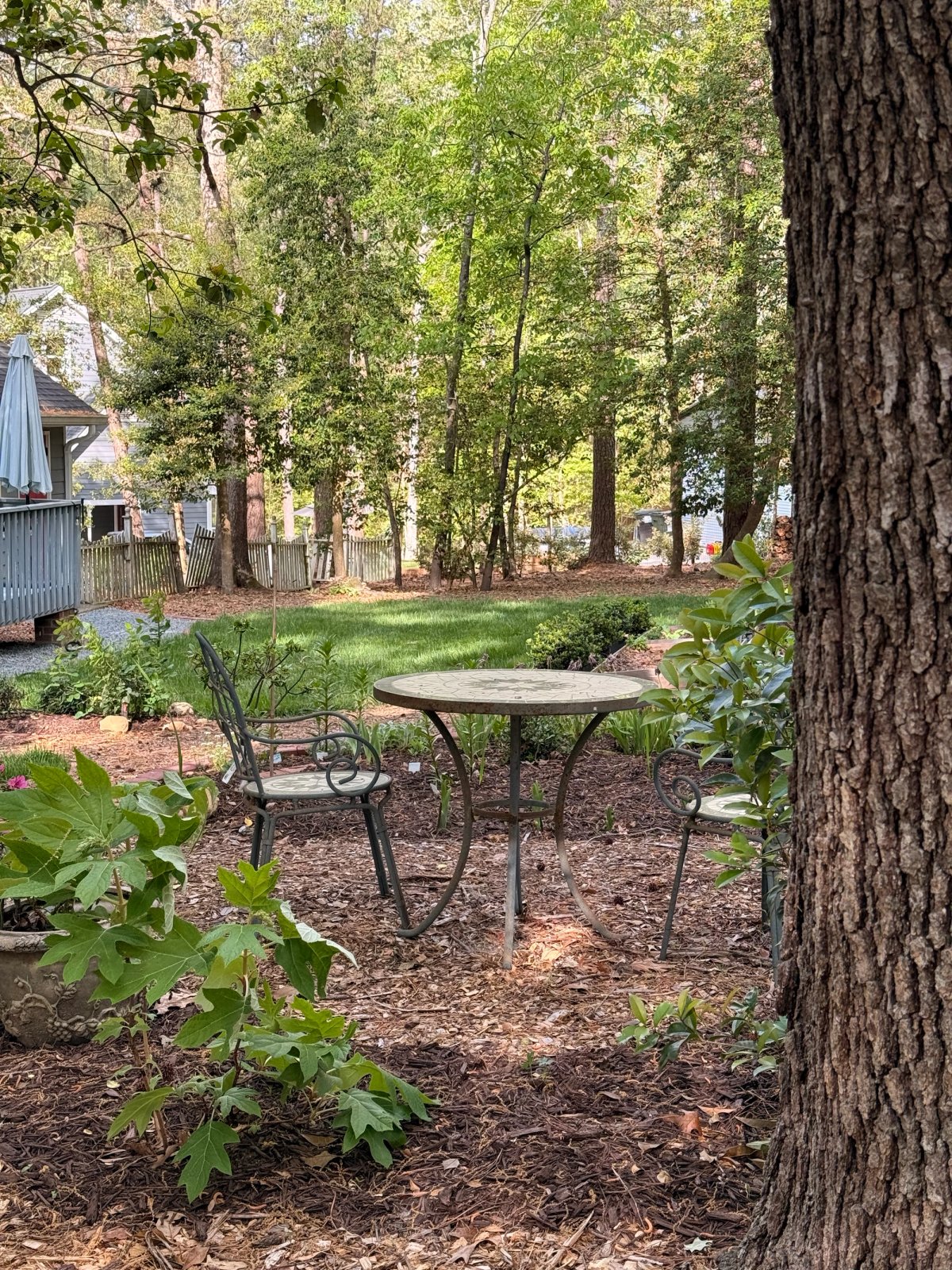
For example, if your priorities are "a place to sit" and "growing food," your layout might be a small patio with a bistro table near the house, raised beds for vegetables along the sunny fence, and a planting border around the edges for color and privacy.
Layout principles for small spaces
Use the edges. The biggest mistake in small gardens is leaving the perimeter empty and clustering everything in the middle. Push your planting beds to the fences and boundaries. This opens up the center and makes the space feel larger.
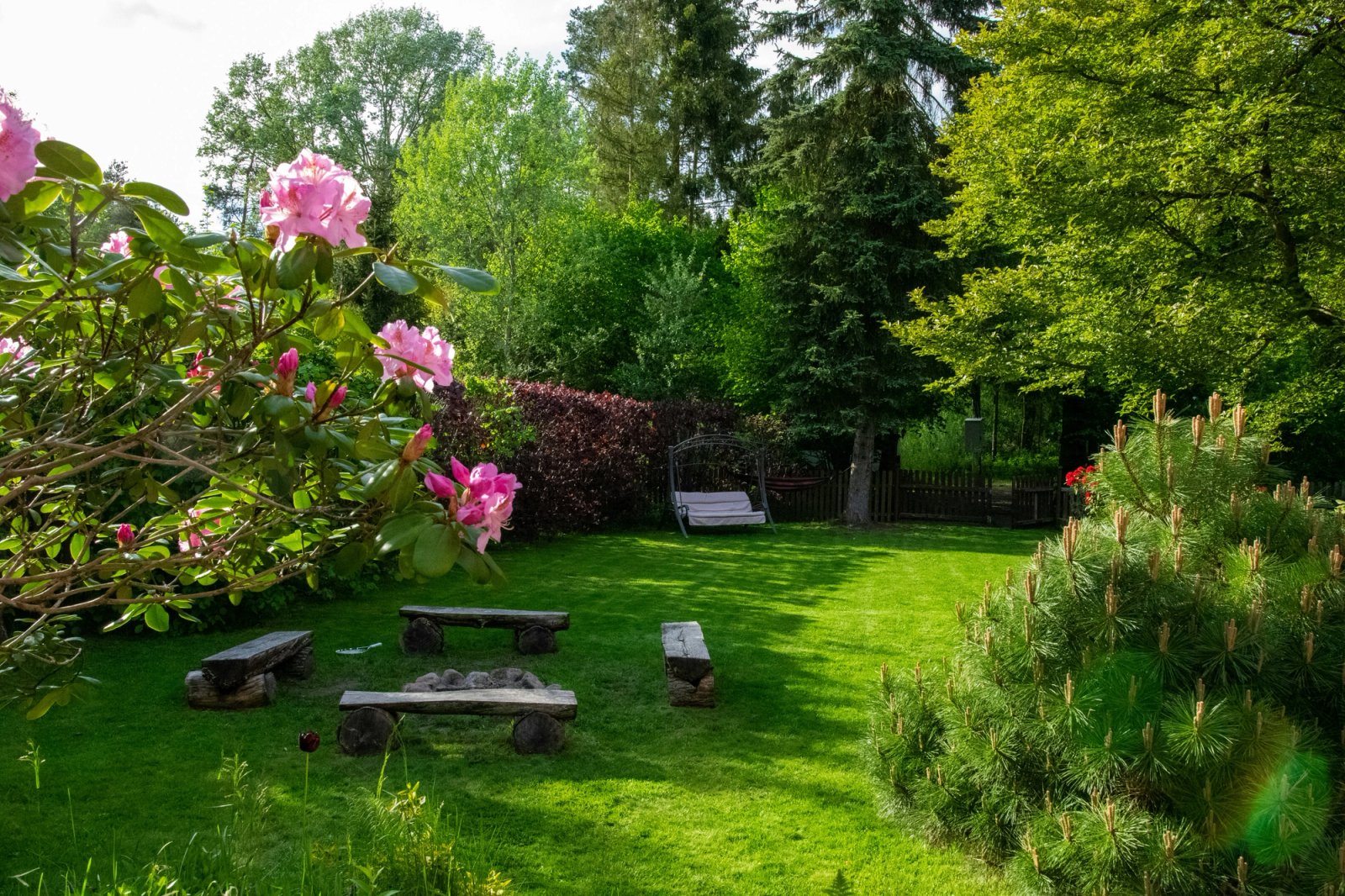
Create zones, not one big room. Even in a tiny yard, dividing the space into two or three areas - a seating area, a planting area, a utility corner - creates a sense of journey. You don't need walls to divide zones. A change in surface material (gravel to pavers to mulch; different color of the mulch), a low hedge, or even a single potted plant can signal a transition.
Go vertical. Fences, walls, and trellises are your best friends in a small garden. Climbing hydrangeas (shade spaces or even trees), clematis, climbing roses, jasmine, or espaliered fruit trees add greenery without taking ground space. Hanging planters, window boxes, and tiered shelving on a patio wall can triple your planting area.
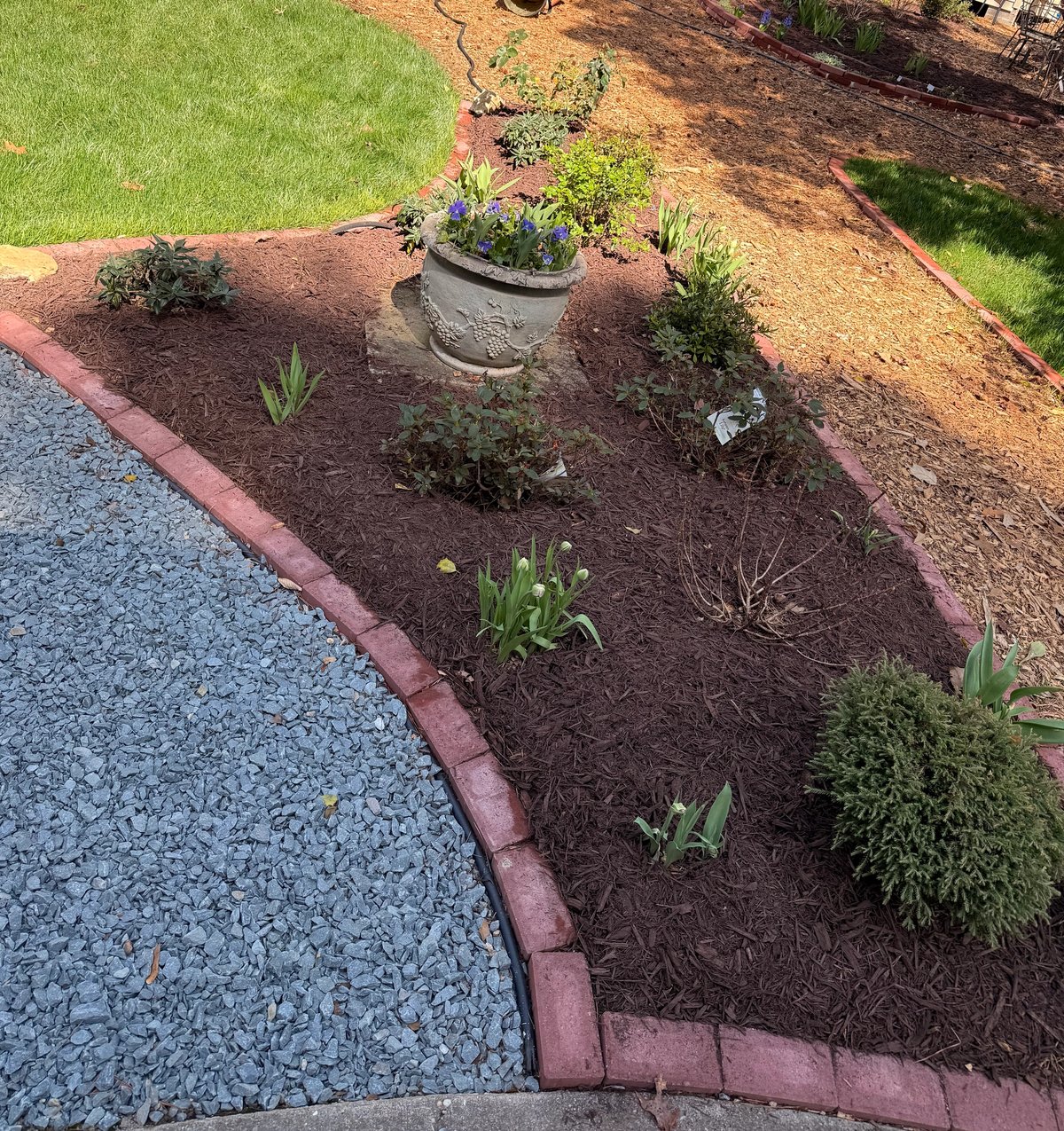
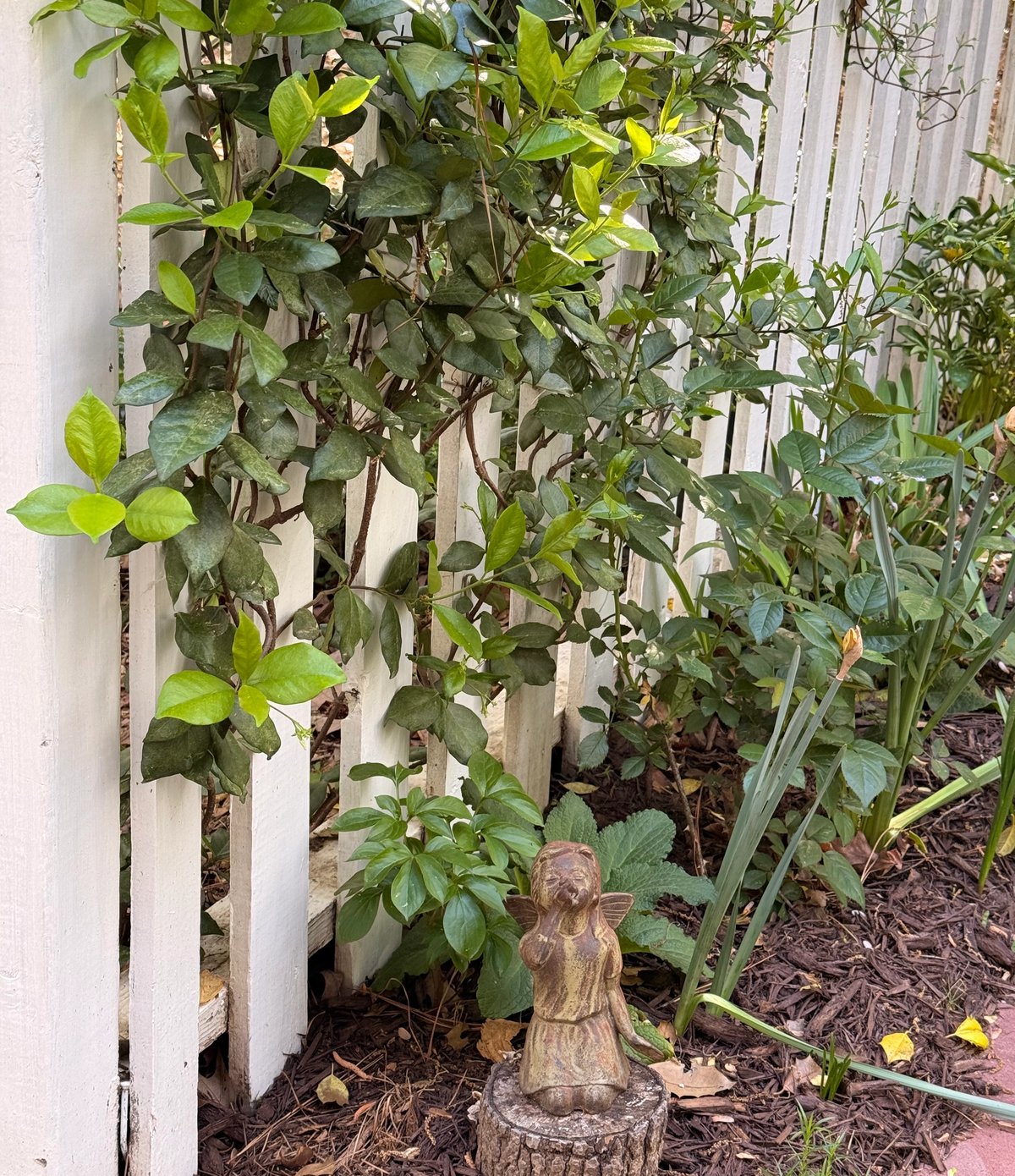
Think in layers, not rows. In a small space, flat planting looks sparse. Layer your heights: tall grasses or a small tree in the back, medium shrubs and perennials in the middle, ground cover and low flowers in front. This creates depth and makes the space feel lush rather than thin.
A sample layout for a 20x30 foot backyard
Starting from the house and moving outward:
Zone 1: Patio (closest to the house).
A 10x12 paver or gravel patio with a small table and two chairs. Potted plants on the edges - herbs in terracotta, a lemon tree, boxwood, gardenia or camellia in a large container, trailing plants on a small shelf.
Zone 2: Planting beds (middle).
A curved bed running along one side fence, about 3 feet deep. This is where your perennials go - echinacea, salvia, daylilies, shasta daisy, catmint, lavender (and bulbs like tulips, daffodils, alliums, gladioluses). For winter interest you can add one or two dwarf variety shrubs. Can be evergreen - like boxwood, gardenia, encore azalea, Mr. Bowling ball arborvitae; or deciduous - like 'Pearl Glam' beautyberry or dwarf dogwood. Choose plants that bloom at different times so something is always happening. A stepping stone path runs through the bed to the back of the garden.
Zone 3: Feature corner (back).
A small ornamental tree (weeping Japanese maple, dwarf crape myrtle, or redbud) anchors the far corner. Underneath, shade-tolerant ground cover like ajuga or creeping Jenny. A birdbath or a single large planter gives the eye a destination.
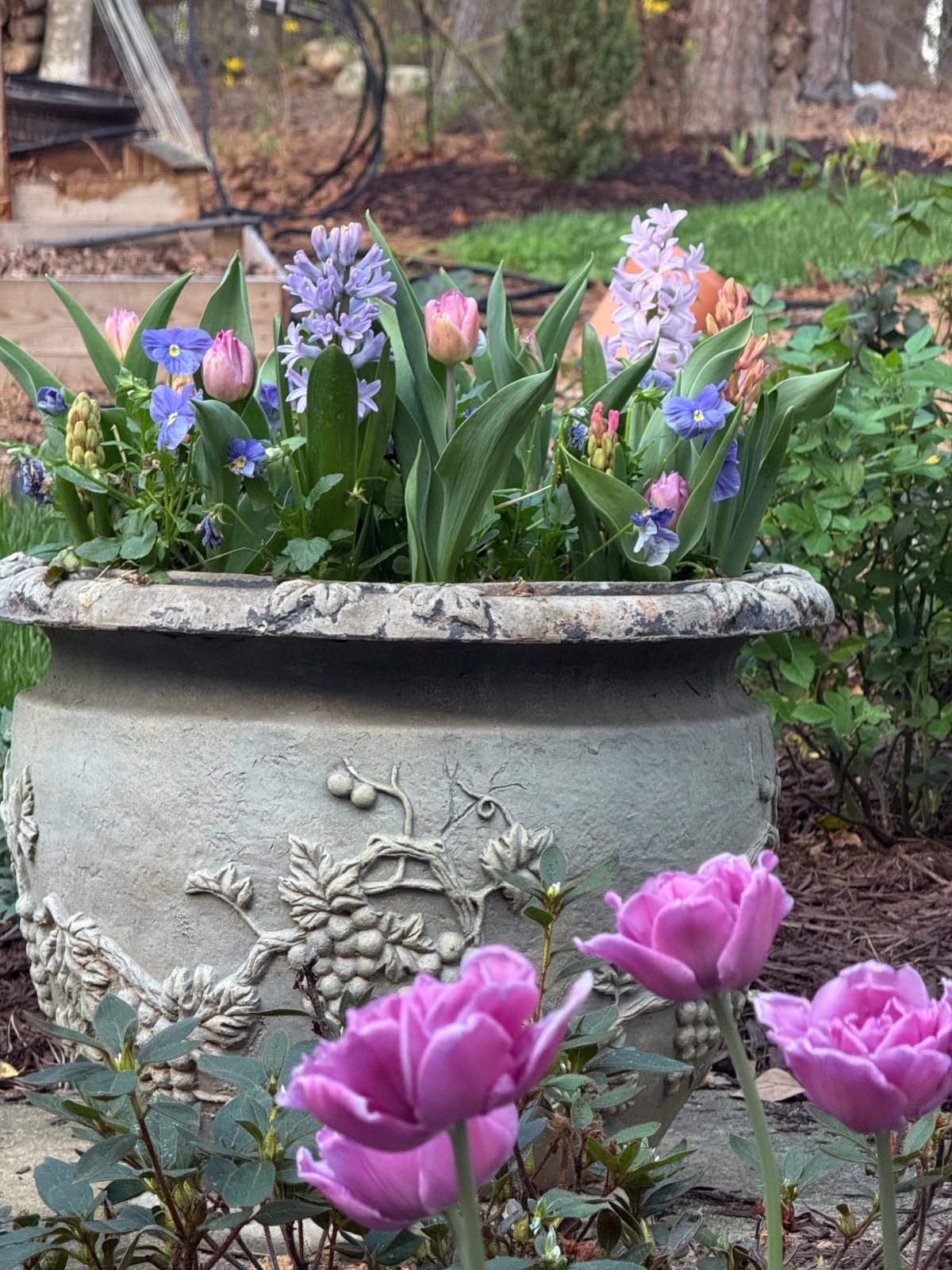
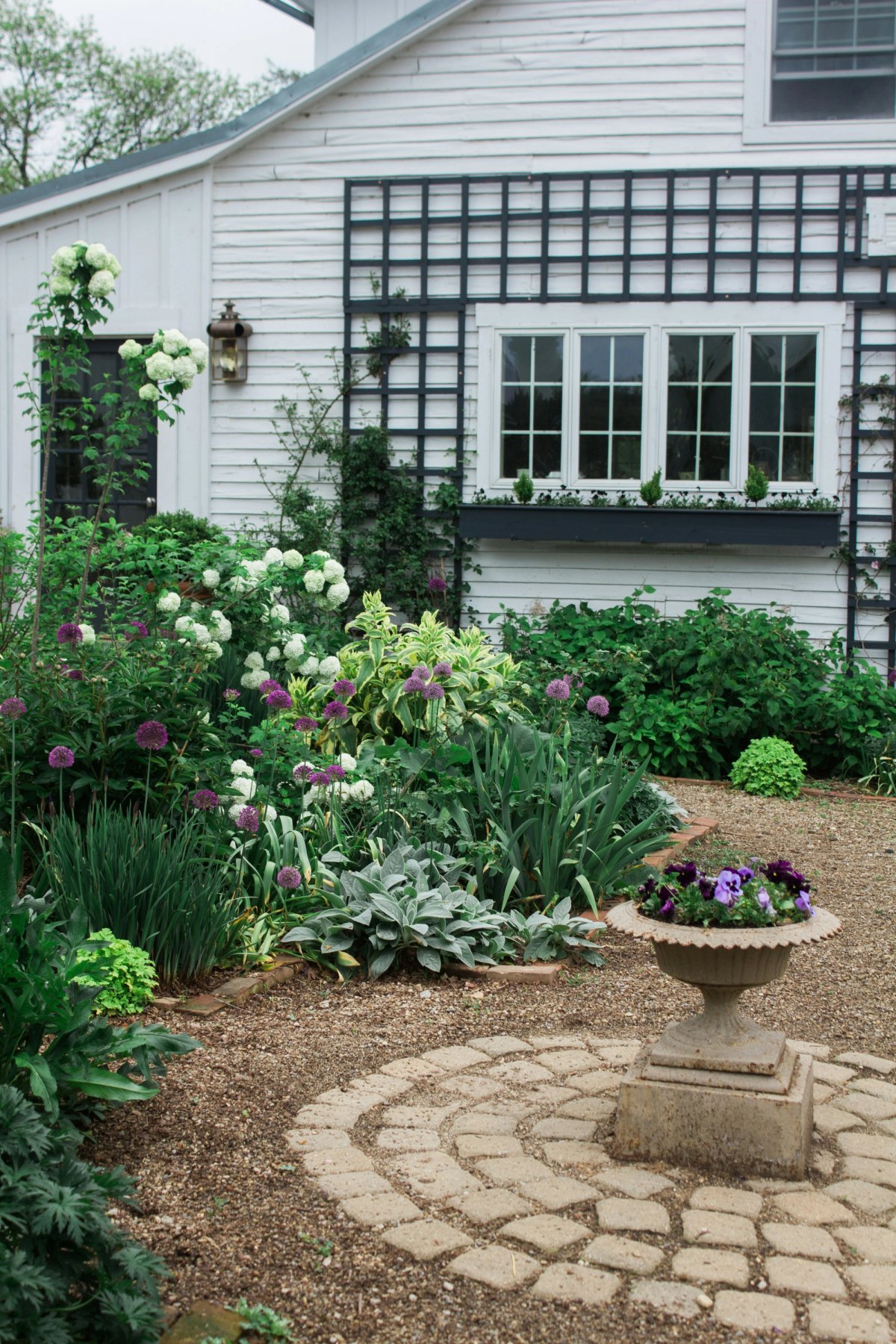
Sunny fence side: If one fence gets full sun, use it. Mount window boxes or plant a narrow bed with sun-loving herbs, small roses, or a trellis with climbing roses or jasmine.
Plants that earn their space
In a small garden, every plant should give you more than one season of interest. Look for plants that offer flowers AND good foliage, or that bloom in spring and have fall color, or that provide structure in winter after other things die back.
Oakleaf hydrangea gives you flowers in summer, dramatic fall color, and interesting bark in winter - three seasons from one plant.
Ornamental grasses like Little Bunny Dw
Plant list
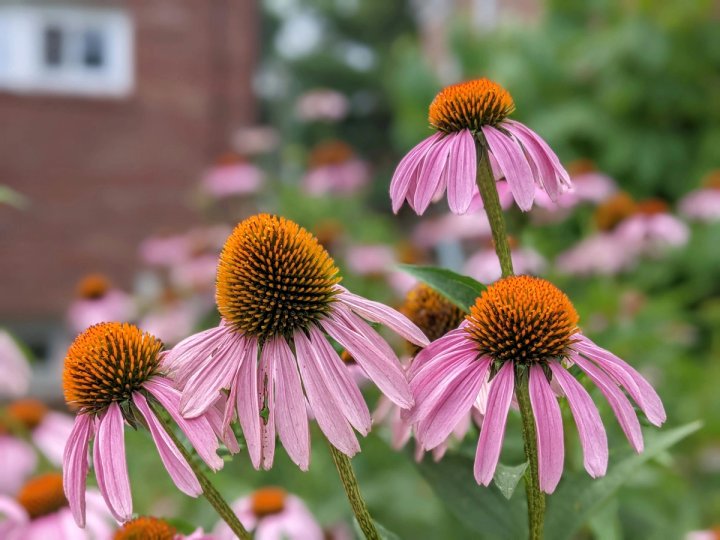
Echinacea
Full Sun • Part Sun
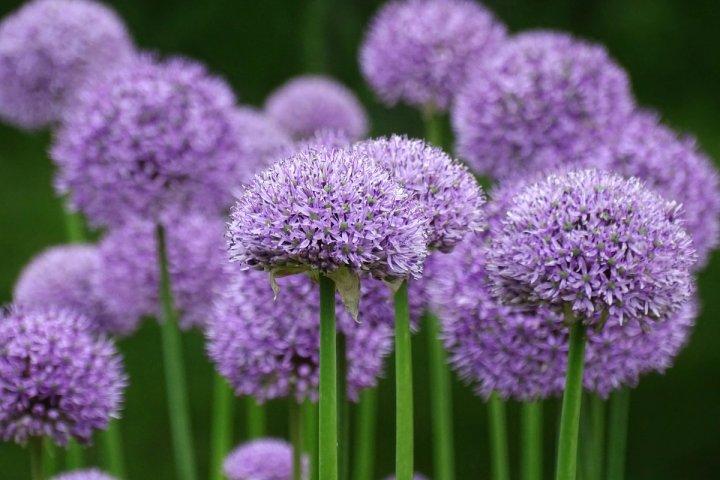
Allium
Full Sun • Part Sun
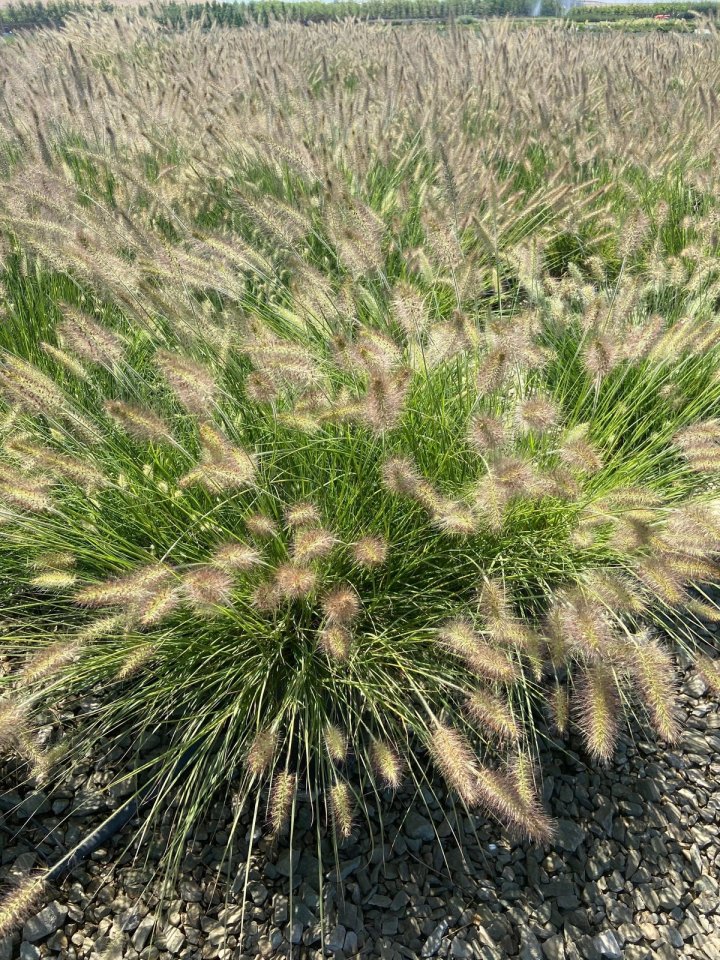
Little Bunny Dwarf Fountain Grass
Full Sun
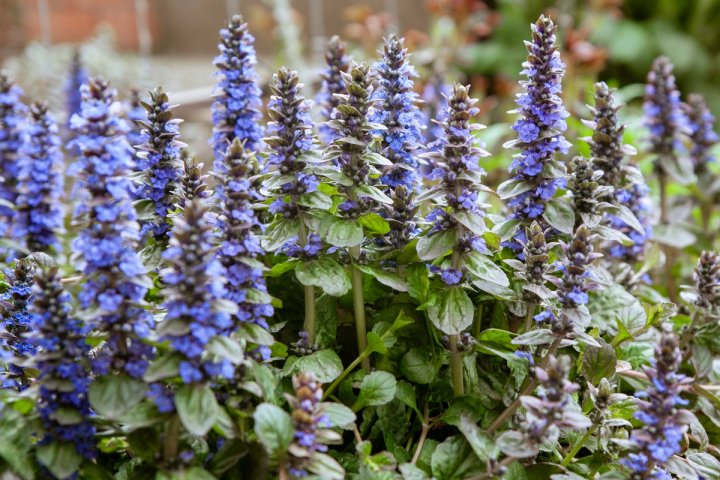
Ajuga
Full Sun • Part Shade • Part Sun • Shade
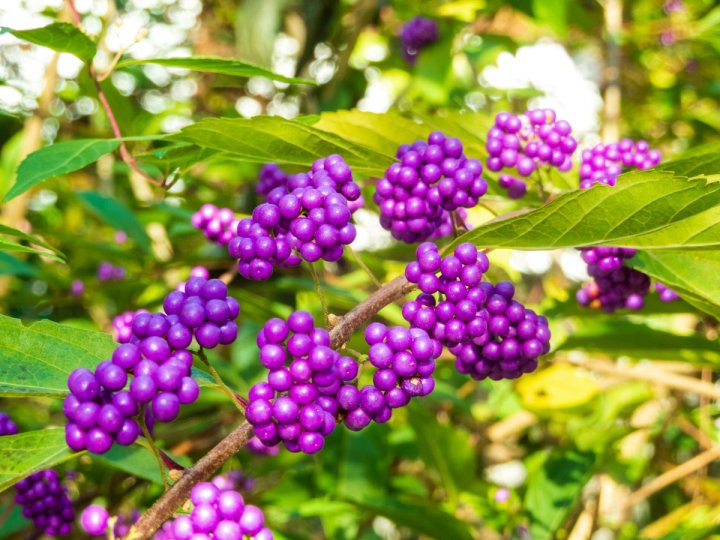
'Pearl Glam' Beautyberry
Full Sun • Part Sun
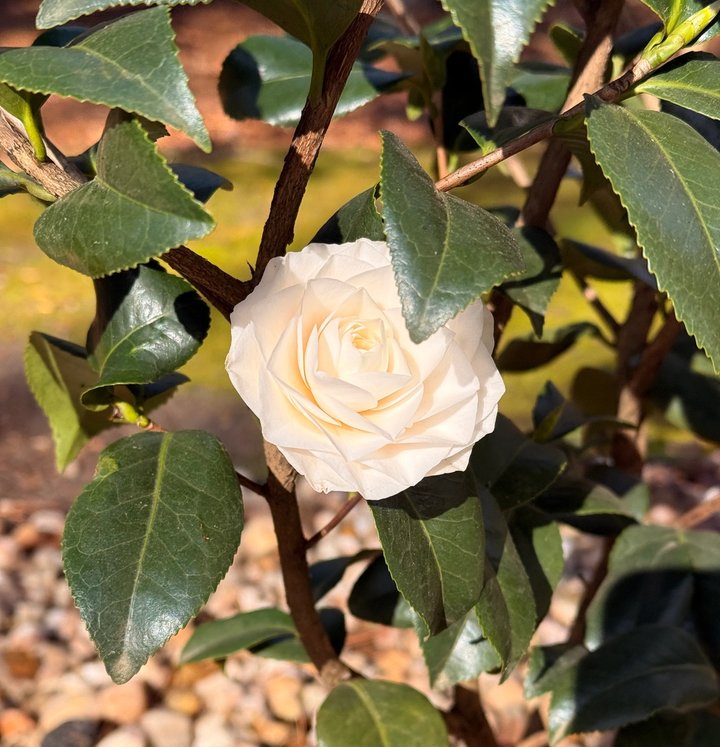
Camellia japonica
Part Shade • Part Sun • Shade
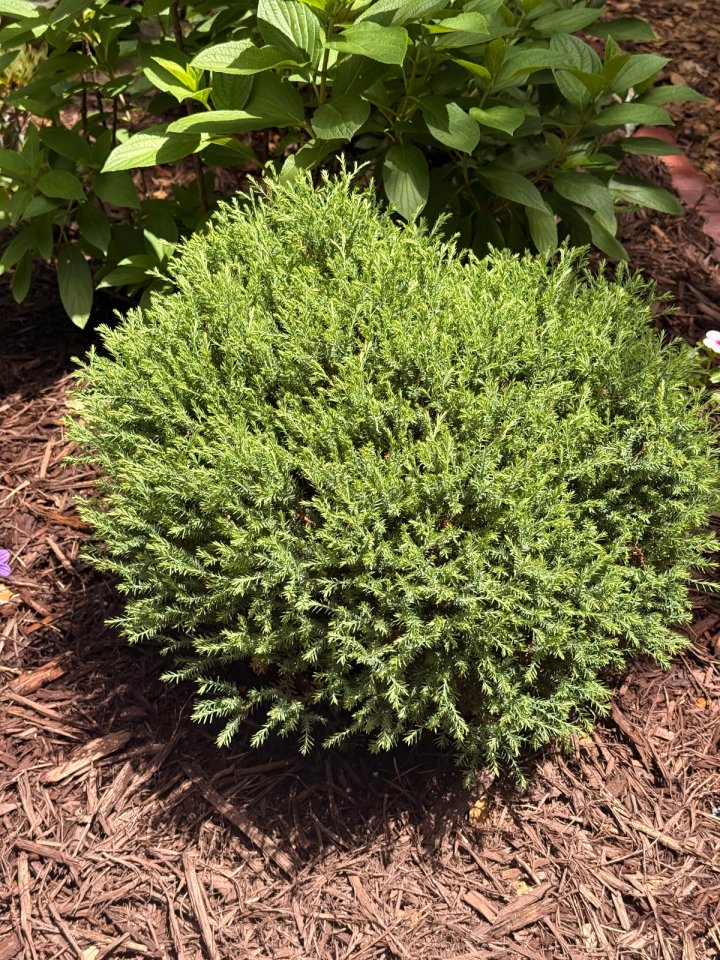
Mr. Bowling Ball Arborvitae
Full Sun • Part Sun
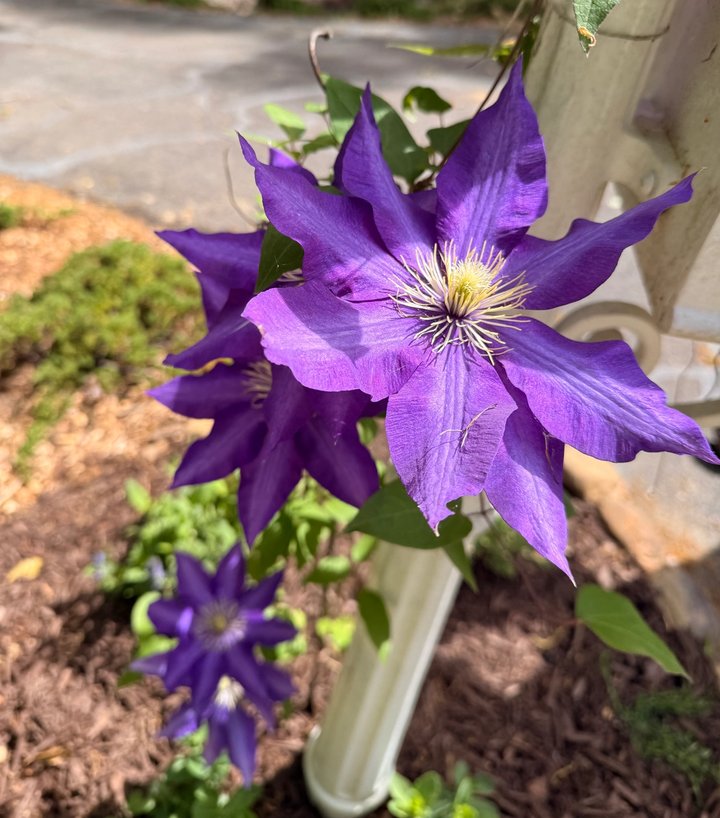
Clematis
Full Sun • Part Shade • Part Sun
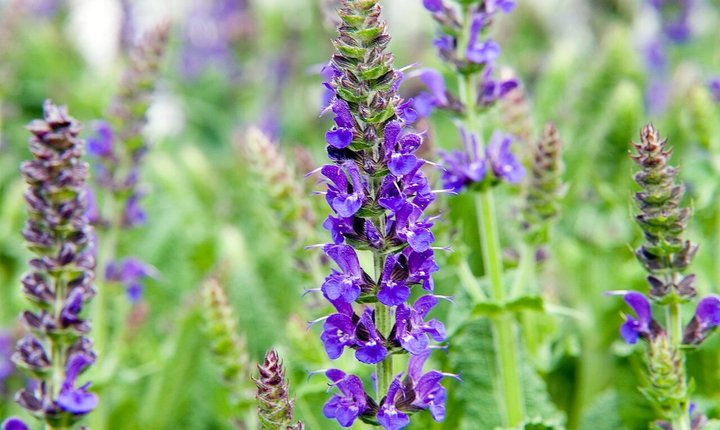
Salvia May night
Full Sun • Part Sun
arf Fountain Grass or Karl Foerster feather reed grass give vertical structure, movement, and winter interest when the seed heads hold through frost.
Herbs like rosemary, sage, and thyme are evergreen (or nearly so in Zone 7), fragrant, useful in the kitchen, and attractive to pollinators. They're the ultimate multi-taskers for a small space.
Keeping it organized
The challenge with a small garden is that everything is visible. There's no distant corner where a messy patch can hide. That's why tracking what you've planted and where becomes especially important. Take a photo of your garden from a high angle - a second-floor window works great - and use it as your planning map. Mark what's planted, note what bloomed when, and plan next season while the current one is still fresh in your mind.
A small garden doesn't limit you. It focuses you. And that focus often produces the most personal, creative, and rewarding gardens.
It’s easier to design a small garden when you can see it. Map your layout on your own photos and adjust as you go.
Tags
Related ideas
More to explore

Garden design
How to Design a Garden Bed Like a Designer: The 5 Principles That Make It Look Intentional
The difference between a garden that looks designed and one that looks like a plant sale isn't the plants - it's five principles. Layering, structure, color, repetition, and bloom sequence, explained.
July 21, 2026