

3 Plants That Grow Beautifully Together - Easy Combinations for Every Garden
Planting Tips
April 8, 2026
The secret isn't buying the right individual plants - it's understanding what makes a group of plants work together. And the simplest starting point is the trio: three plants, chosen for contrast and harmony, that create a complete picture. Here are six tested three-plant combinations for different conditions, each designed to give you color, texture, and seasonal interest.
Here are six tested three-plant combinations for different conditions, each designed to give you color, texture, and seasonal interest.
Want the design rules behind these combinations? Start with How to Design a Garden Bed Like a Designer, the parent guide to layering, structure, color, repetition, and bloom sequence.
Combination 1: The Sunny Border Classic
Black-Eyed Susan (Rudbeckia) + Russian Sage (Perovskia) + Autumn Joy Sedum
This trio covers you from midsummer through the first frost and looks good doing it. The golden daisies of Rudbeckia bring warm, cheerful color. The airy lavender-blue spikes of Russian sage float behind them like a soft haze. And the flat, rosy-pink heads of Autumn Joy sedum anchor the front with substance and structure.
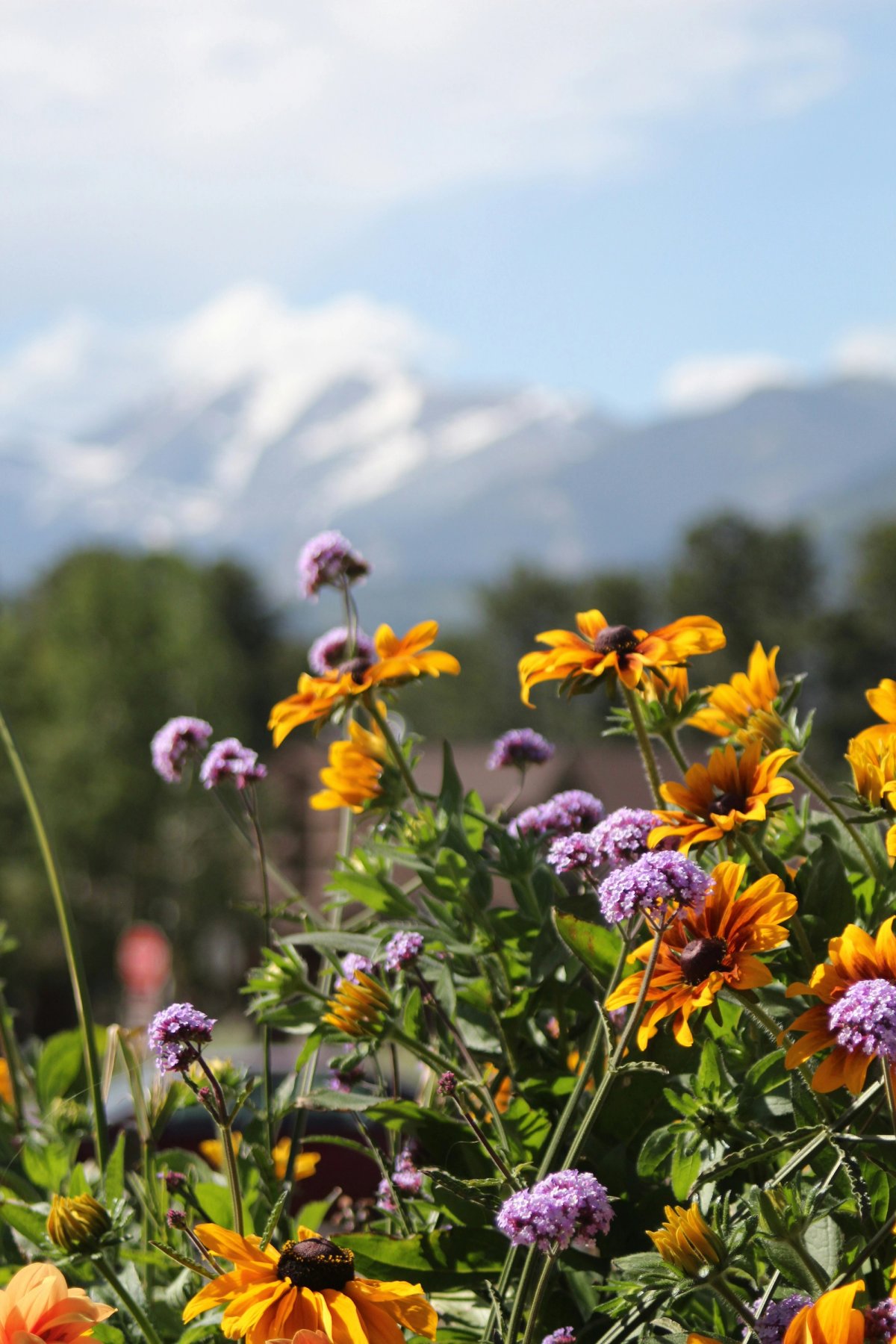
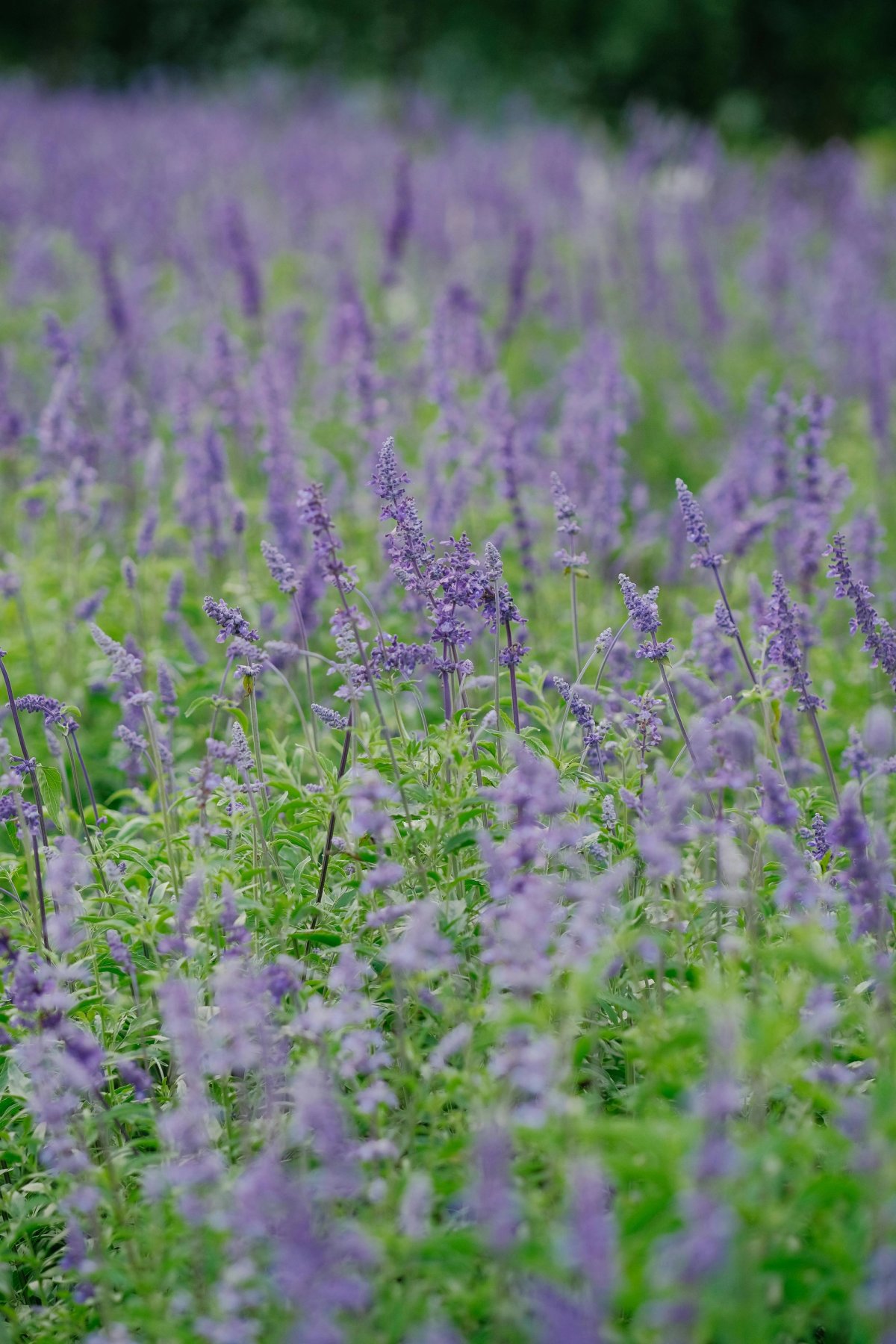
Why it works: You have three distinct flower shapes (daisy, spike, flat-top), three different heights (medium, tall, low-medium), and warm + cool color balance. All three are full sun, drought-tolerant, deer-resistant, and low-maintenance.
Plant spacing: Rudbeckia in groups of 5-7, Russian sage in groups of 3 behind them, sedum in groups of 3-5 in front. Or you can use a mix of four: Black-eyed Susan (Rudbeckia), Salvia ‘May Night’, Autumn Joy sedum, and Catmint ‘Walker’s Low’. That’s what I mixed by my mailbox this year.
Mixing blues and yellows is always a great idea in the landscape.
Plant list

Black-Eyed Susan (Rudbeckia)
Full Sun
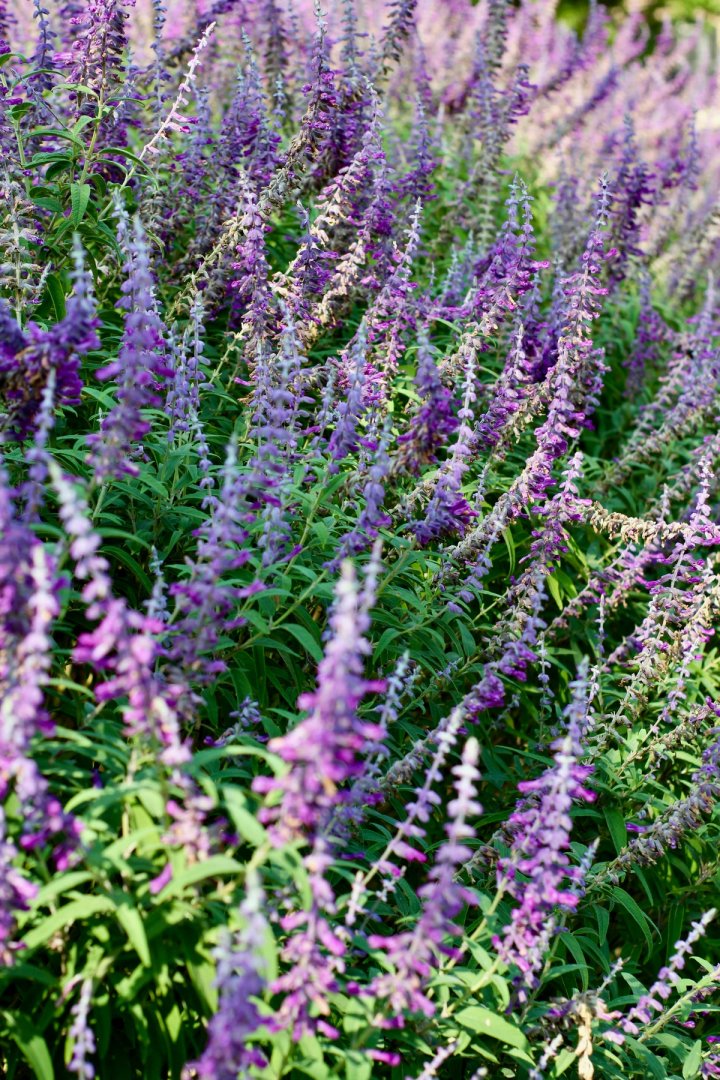
Russian Sage (Perovskia)
Full Sun
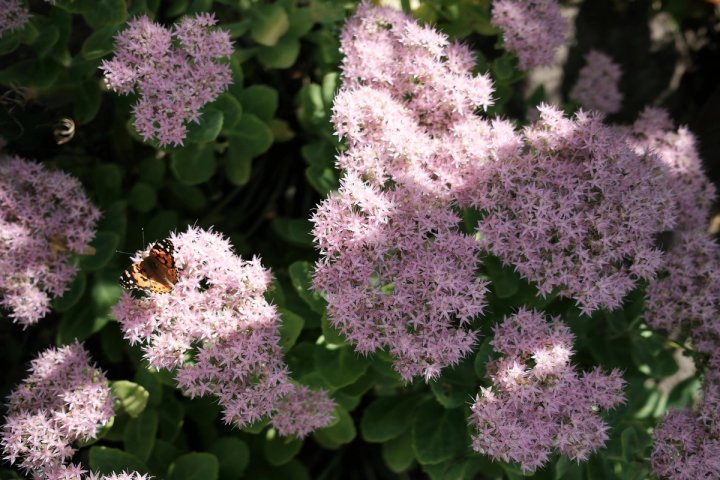
Autumn Joy Sedum
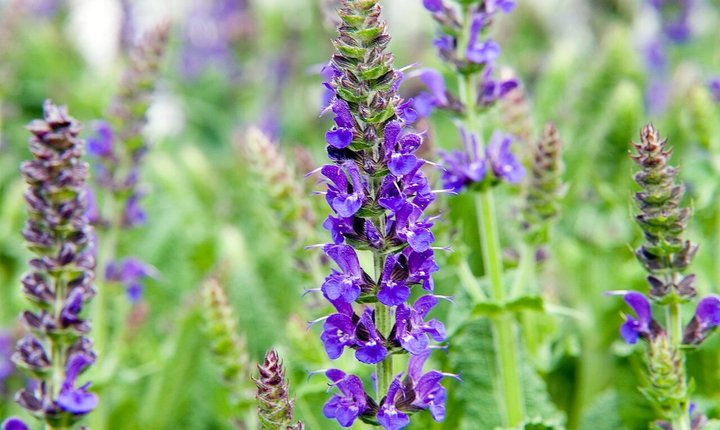
Salvia May night
Full Sun • Part Sun
Combination 2: The Shade Garden Trio
Hosta 'June' + Astilbe 'Visions in Pink' + Japanese Painted Fern
If you have a shady corner that feels boring, this combination fixes it instantly. Hosta 'June' has stunning blue-green leaves with gold centers - it's a focal point plant even without flowers. Astilbe sends up feathery pink plumes that add vertical interest and soft color. And Japanese painted fern, with its silvery-purple fronds, ties the cool tones together.
Why it works: Three dramatically different leaf textures (broad, feathery, lacy) in a color palette that's united by cool blue-purple tones. The astilbe blooms in early summer; the hosta and fern provide interest all season.
Plant spacing: One large hosta as the anchor, three astilbe on one side, one Japanese painted fern slightly in front and off-center.
Plant list
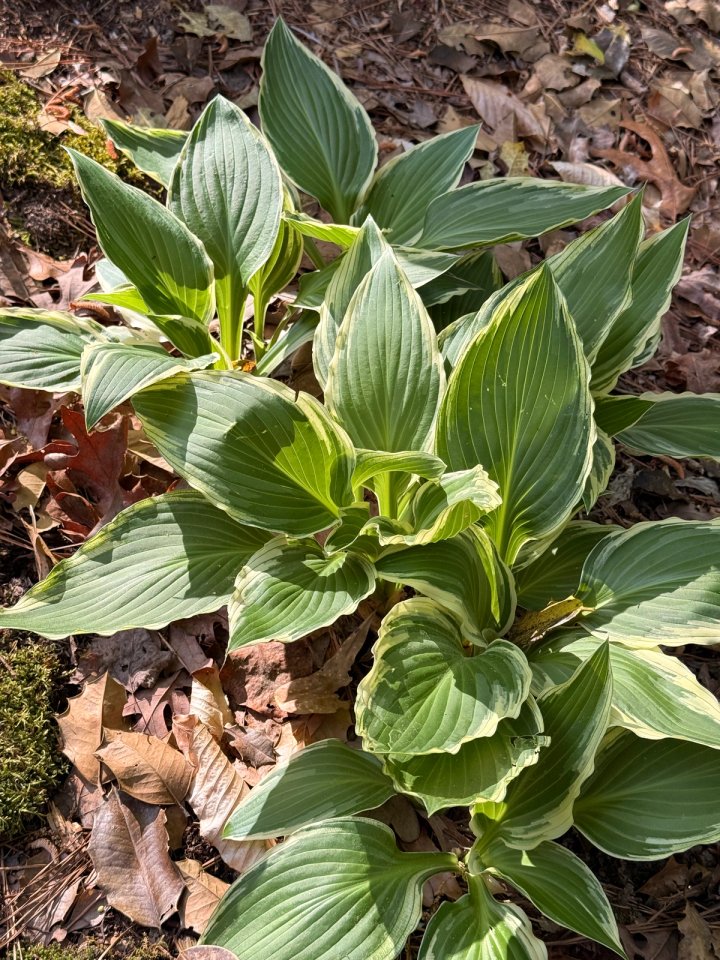
Hosta
Part Shade • Shade
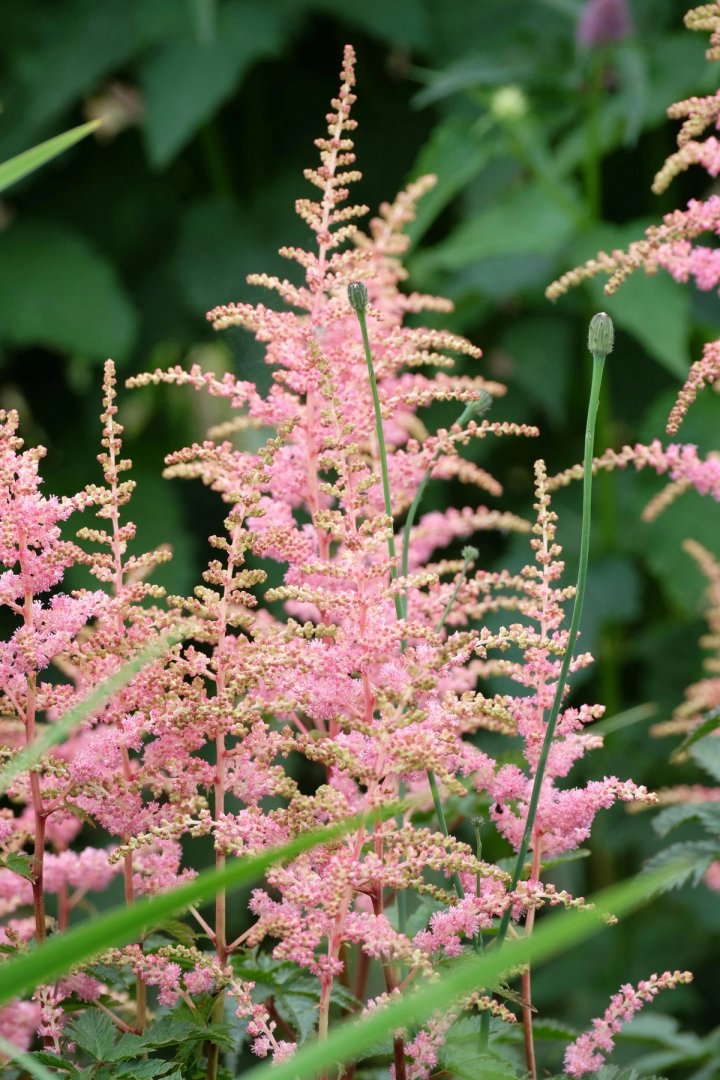
Astilbe
Part Shade • Part Sun • Shade
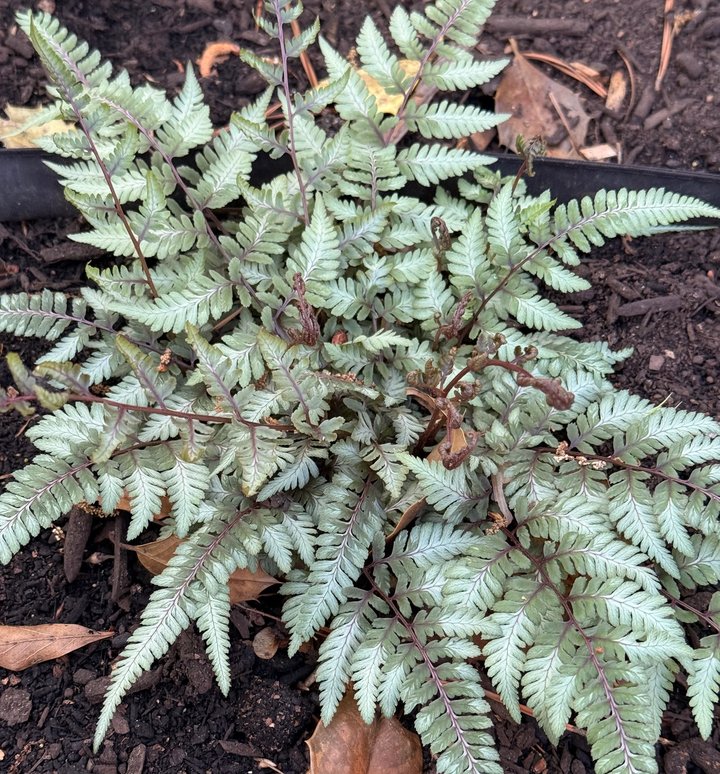
Japanese Painted Fern
Part Shade • Shade
Combination 3: The Four-Season Performer
Hellebore + Oakleaf Hydrangea + Hakone Grass (Hakonechloa)
This is the combination for gardeners who want something happening in every season. Hellebores bloom in late winter when absolutely nothing else is showing color - their nodding flowers in white, pink, and burgundy are a gift. Oakleaf hydrangea follows with massive white flower clusters in summer, incredible fall color, and handsome peeling bark in winter. Hakone grass cascades in gold-green waves all season, turning warm amber in fall.
Why it works: Staggered bloom times cover winter, spring, summer, and fall. Mixed textures (rounded leaves, panicle flowers, flowing grass). All three handle partial shade.
Plant spacing: One oakleaf hydrangea at the back, three to five hellebores in front of it, and one hakone grass at the edge to spill forward.
Plant list
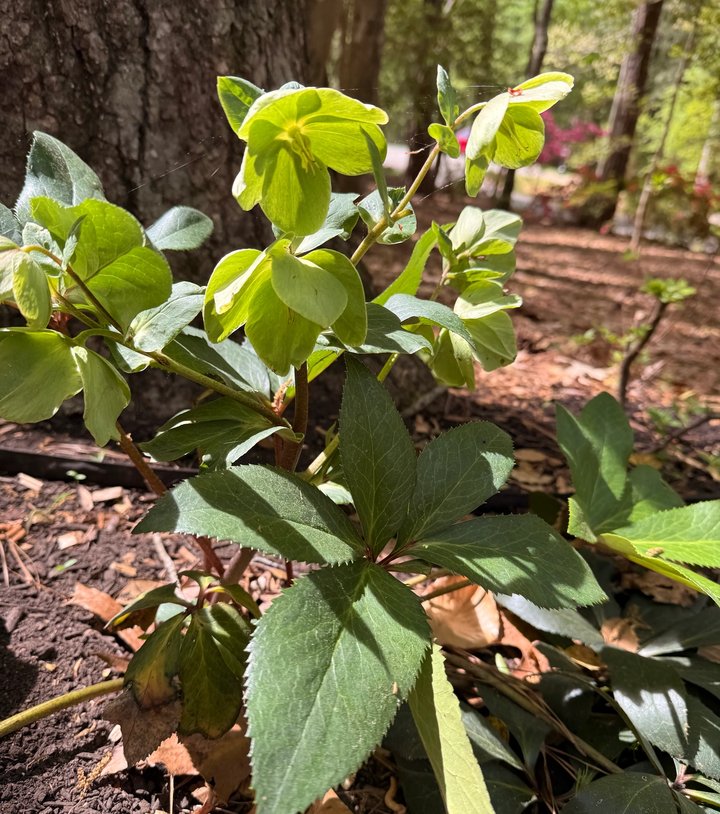
Hellebores
Part Shade • Shade
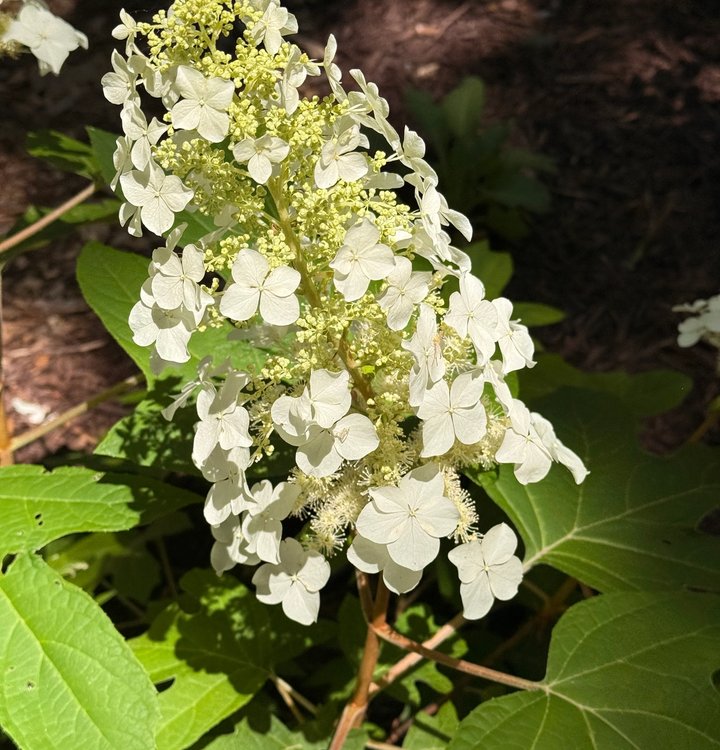
Oakleaf hydrangea
Part Shade • Part Sun • Shade

Japanese forest grass
Part Shade • Part Sun • Shade
Combination 4: The Pollinator Magnet
Echinacea (coneflower) + Liatris (blazing star) + Little Bluestem grass
If you want bees and butterflies in your garden, plant these three and wait. Echinacea's flat, open flowers are landing pads for butterflies and a favorite of native bees. Liatris sends up dramatic purple spikes that bloom from the top down - unusual and eye-catching. Little bluestem grass adds movement, height, and gorgeous copper-red fall color.
Why it works: All three are native to North America, so they're naturally adapted to local pollinators. The color palette (pink-purple + purple + blue-green/copper) is harmonious and wild-looking. All are drought-tolerant once established.
Plant spacing: Echinacea in groups of 5, liatris in groups of 7 (plant the bulbs closely for impact), little bluestem in groups of 3 behind.
Plant list
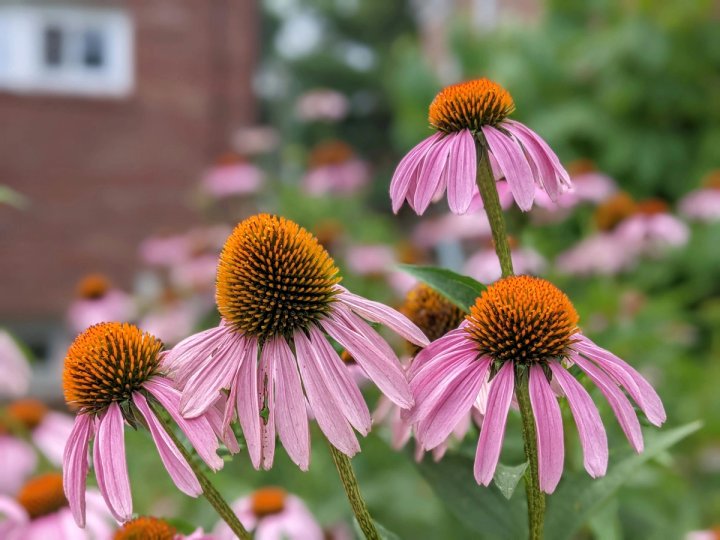
Echinacea
Full Sun • Part Sun
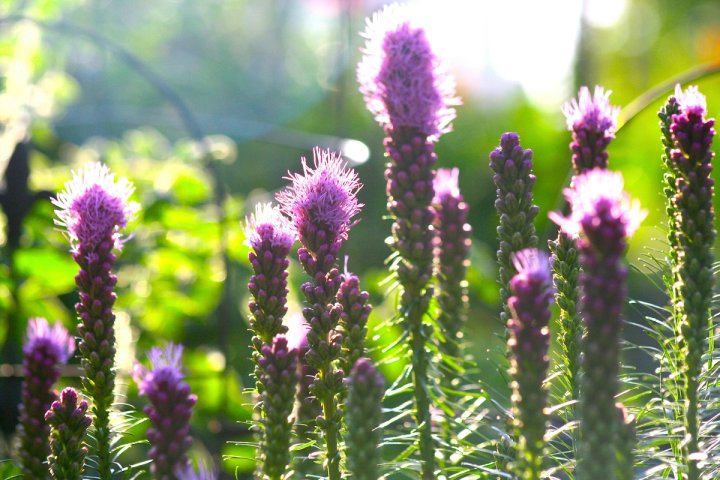
Liatris
Full Sun
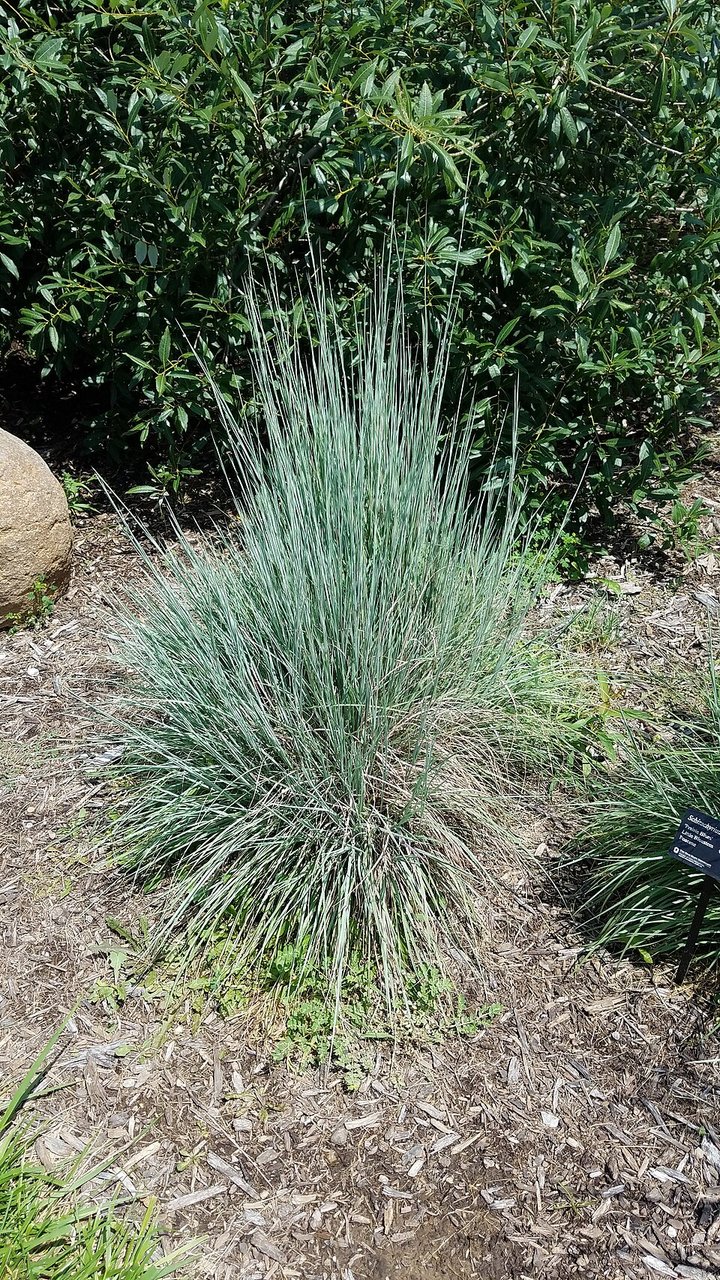
Little Bluestem grass
Full Sun
Combination 5: The Container Garden Trio
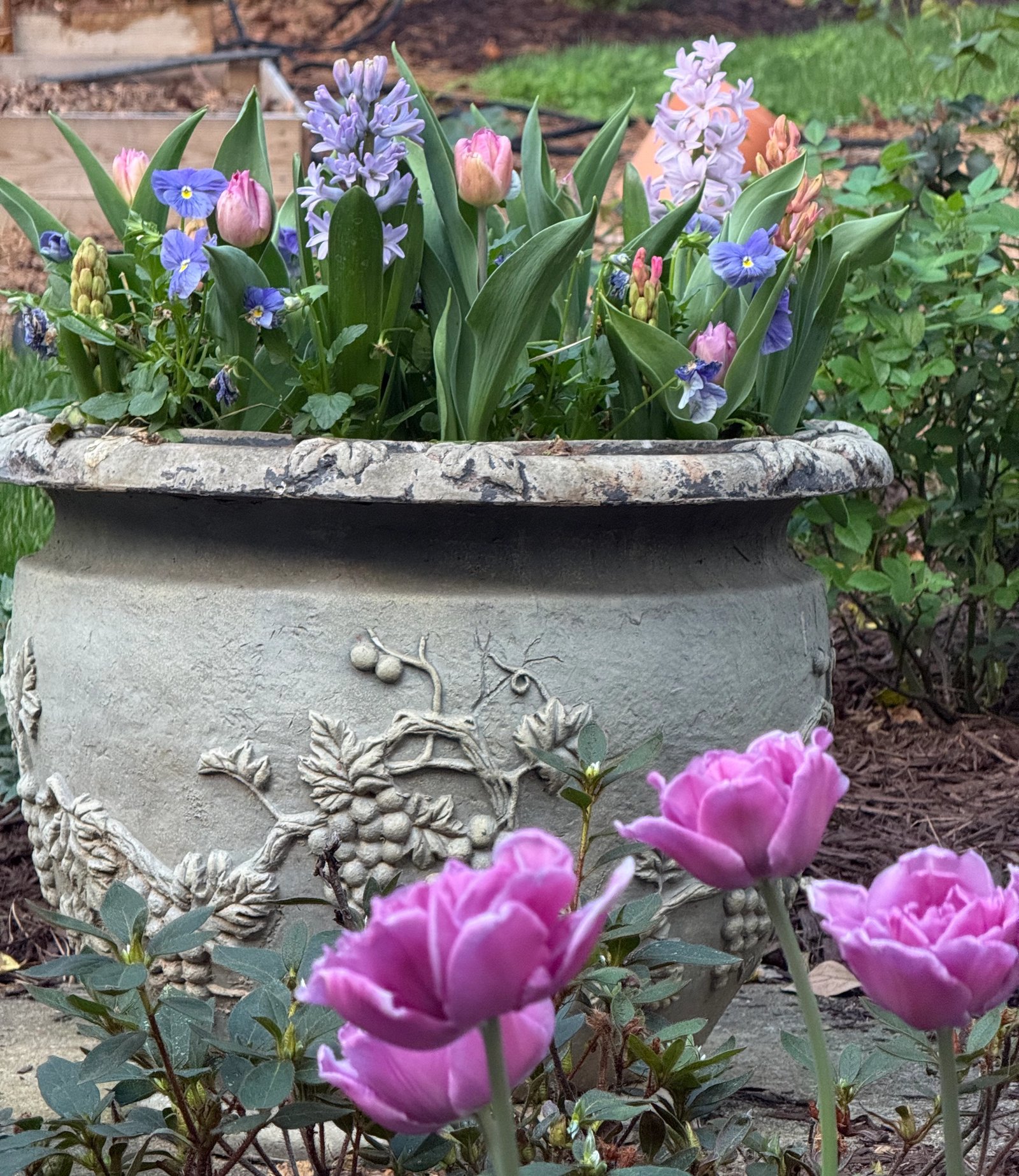
Thriller: Purple Fountain Grass + Filler: Supertunia Vista Bubblegum + Spiller: Sweet Potato Vine (Ipomoea 'Marguerite')
For a large container or planter, the classic thriller-filler-spiller formula never fails. Purple fountain grass stands tall in the center with arching, burgundy plumes. Petunias fill the middle space with nonstop pink bloom. And chartreuse sweet potato vine cascades over the edges, adding bright contrast.
Why it works: Height variation from tall to trailing. Color contrast between burgundy, pink, and chartreuse. Continuous bloom from late spring through frost. All are warm-season plants that love heat and full sun.
Container size: At least 16 inches diameter and 14 inches deep. Use potting mix, not garden soil. Fertilize at least a few times per season - for great flower performance.
Combination 6: The Soft Pink + Purple Pairing
Salvia 'May Night' + Dianthus 'Firewitch' + Geranium 'Rozanne'
This is for gardeners who love that soft, romantic, cottage-garden look but want plants that actually perform. Salvia 'May Night' has deep violet spikes that rebloom if you deadhead. Dianthus 'Firewitch' forms a tidy mat of blue-green foliage covered in fragrant magenta-pink flowers. And Geranium 'Rozanne' is an absolute workhorse, producing blue-violet flowers nonstop from May to October.
Why it works: The pink-to-purple color gradient feels intentional and cohesive. All three are compact, so they work in small beds and borders. The combination blooms for months, not weeks. All three are hardy to Zone 5 and deer-resistant.
Plant spacing: Salvia in groups of 3 toward the back, dianthus in a row along the front edge, geranium filling the spaces between.
Plant list
Salvia May night
Full Sun • Part Sun
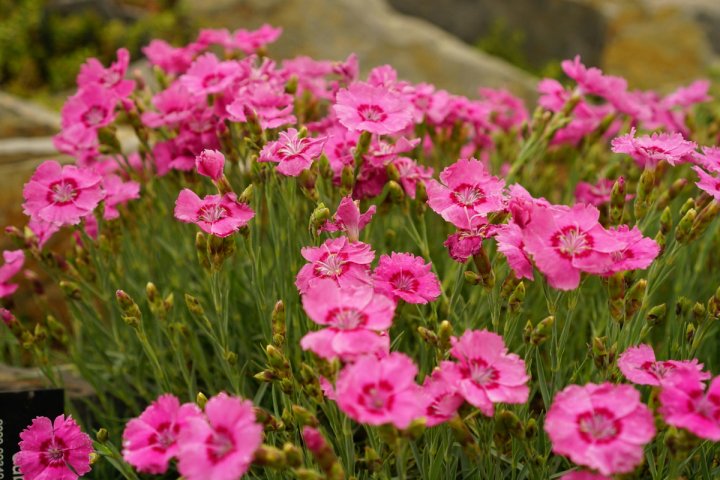
Dianthus 'Firewitch'
Full Sun • Part Sun
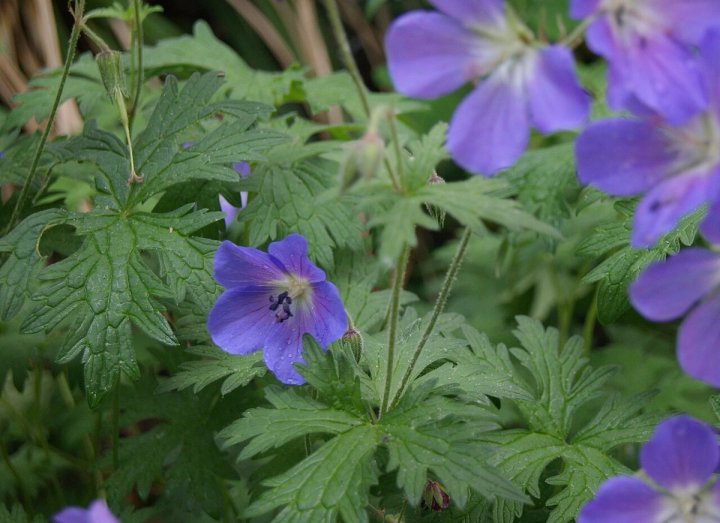
Geranium 'Rozanne'
Full Sun • Part Sun
The principle behind every combo
Every successful plant combination has three things: contrast in form (different leaf shapes and flower types so each plant is distinct), harmony in color (plants that share a color temperature - warm or cool - even if the specific colors differ), and staggered interest (not everything peaks at the same moment).
When you find a combo that works, photograph it and pin it so you can remember exactly what goes where. Gardens change fast, and next spring you'll be grateful you recorded what looked good.
Found a combo you like? Save it on your garden photo so you remember exactly where everything goes next season.
Tags
Related ideas
More to explore

Garden design
How to Design a Garden Bed Like a Designer: The 5 Principles That Make It Look Intentional
The difference between a garden that looks designed and one that looks like a plant sale isn't the plants - it's five principles. Layering, structure, color, repetition, and bloom sequence, explained.
July 21, 2026

Garden design
How I Track My Garden Year by Year (Without Guessing Every Spring)
If you forget what you planted every spring, this simple visual system helps you track your garden year by year - without notes or guesswork.
May 6, 2026

Foundation Planting Guide - How to Prepare, Design, and Plant the Beds Around Your House
Here's how to do it right, starting with the ground work that most guides skip entirely.
April 28, 2026