

Front Yard Flower Bed Layout - Curb Appeal That Actually Lasts
Garden design
April 9, 2026
Your front yard is the first thing people see - it sets the tone for your entire home. But unlike a backyard, where you can experiment more freely, a front yard flower bed needs to be intentional. It has to look good from a distance, stay presentable through all four seasons, and work from a single viewing angle. That last point matters more than most people realize. Front yard beds are usually seen from one direction - the street looking toward the house. You’re not designing something to walk through, but something to be viewed. Think of it as a stage set. Plants should face forward, heights should gradually step from low to tall, and the overall composition should read clearly from 20–30 feet away.
The foundation framework
A successful front yard flower bed starts with a permanent skeleton of shrubs and small trees that look good year-round. Flowers are seasonal decoration on top of that structure - not the structure itself.
Anchor shrubs.
Place one medium shrub (3-5 feet tall) at each end of your bed and one near the center if the bed is longer than 15 feet. Boxwood, distylium, inkberry holly, gardenia diamond spire, holly hoogendorn, dwarf yaupon holly, illicium florida sunshine, or abelia work well. These give you green structure through winter when everything else is dormant.
Plant list
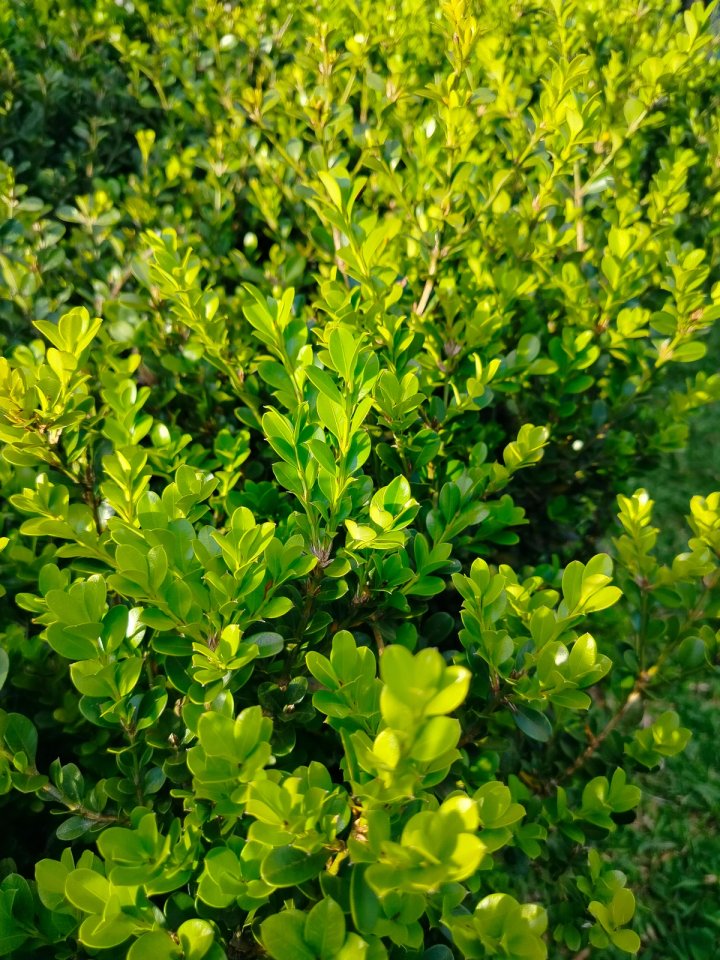
Boxwood 'Green Velvet'
Full Sun • Part Shade • Part Sun
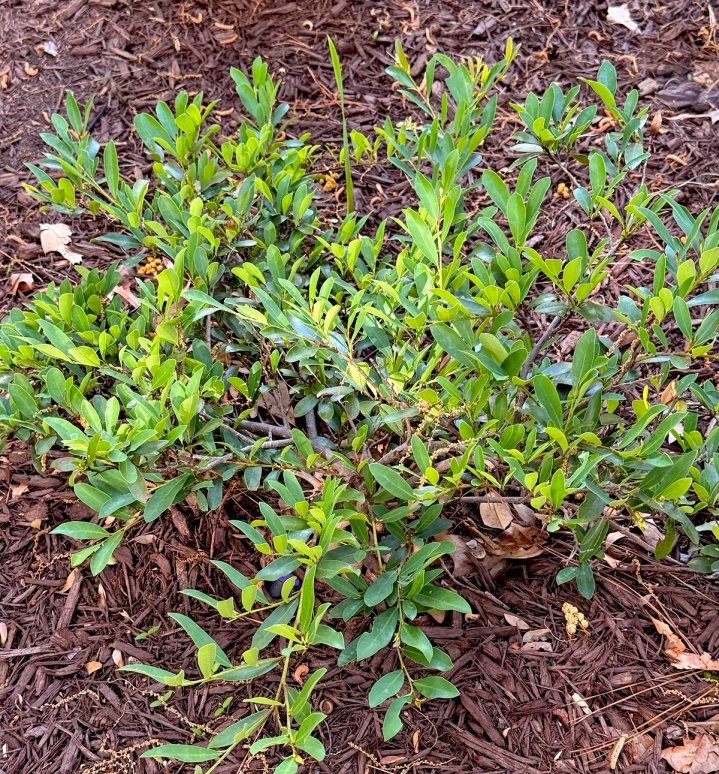
Distylium
Full Sun • Part Shade • Part Sun
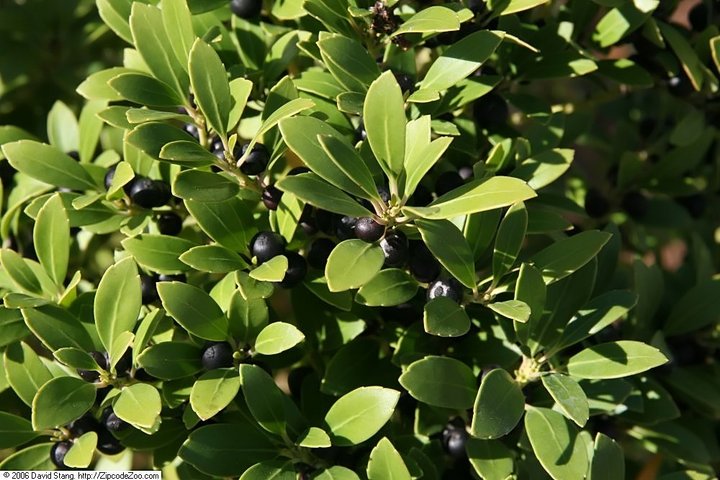
Inkberry holly
Full Sun • Part Sun
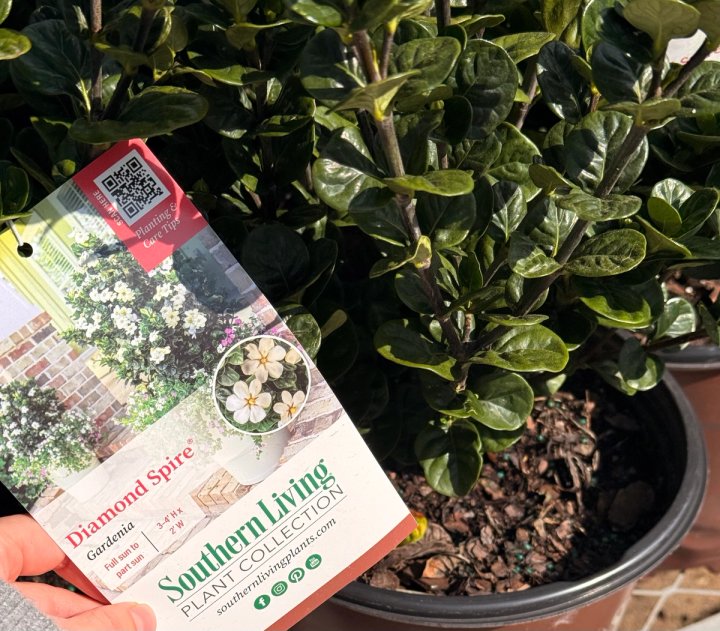
Gardenia Diamond Spire
Full Sun • Part Shade • Part Sun
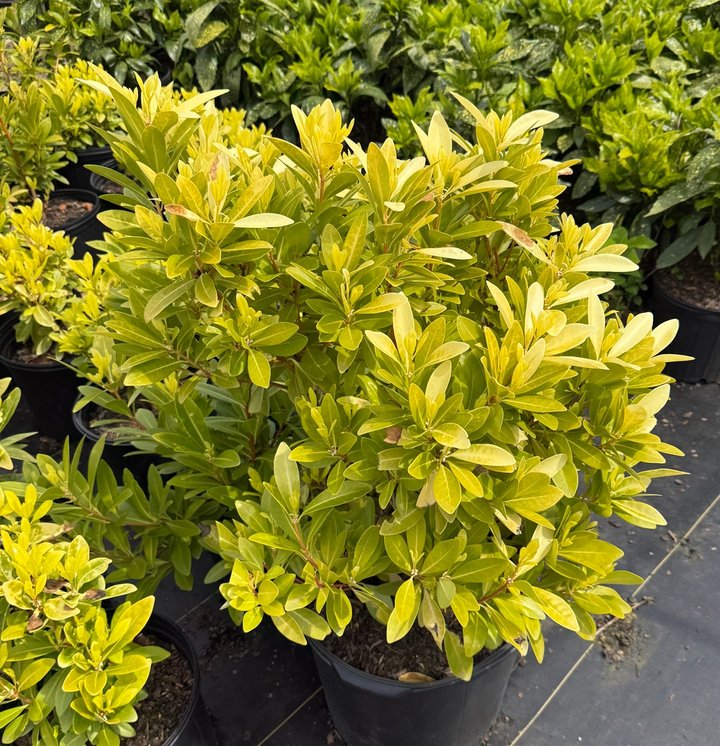
Illicium Florida Sunshine
Part Shade • Part Sun • Shade
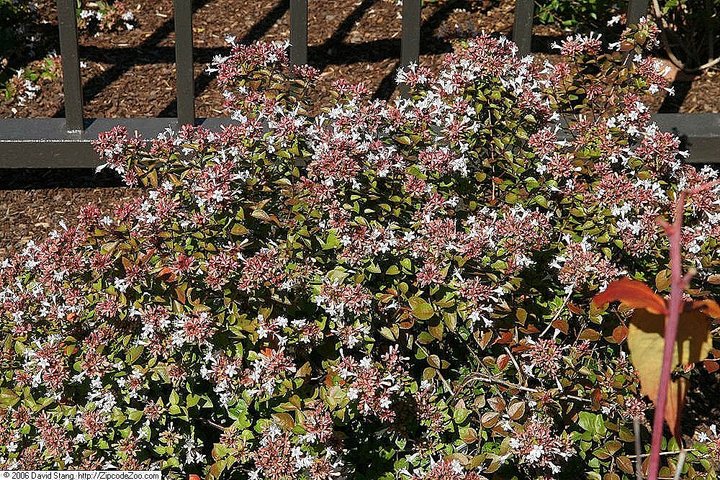
Rose Creek Abelia
Full Sun • Part Shade
Mid-height fillers.
Between the anchors, plant perennials, dwarf delicious shrubs and grasses that reach 2–3 feet: Russian sage, catmint, salvia, sweet starlight or vanilla strawberry hydrangea, or ornamental grasses like blue fescue or dwarf fountain grass.
Plant list
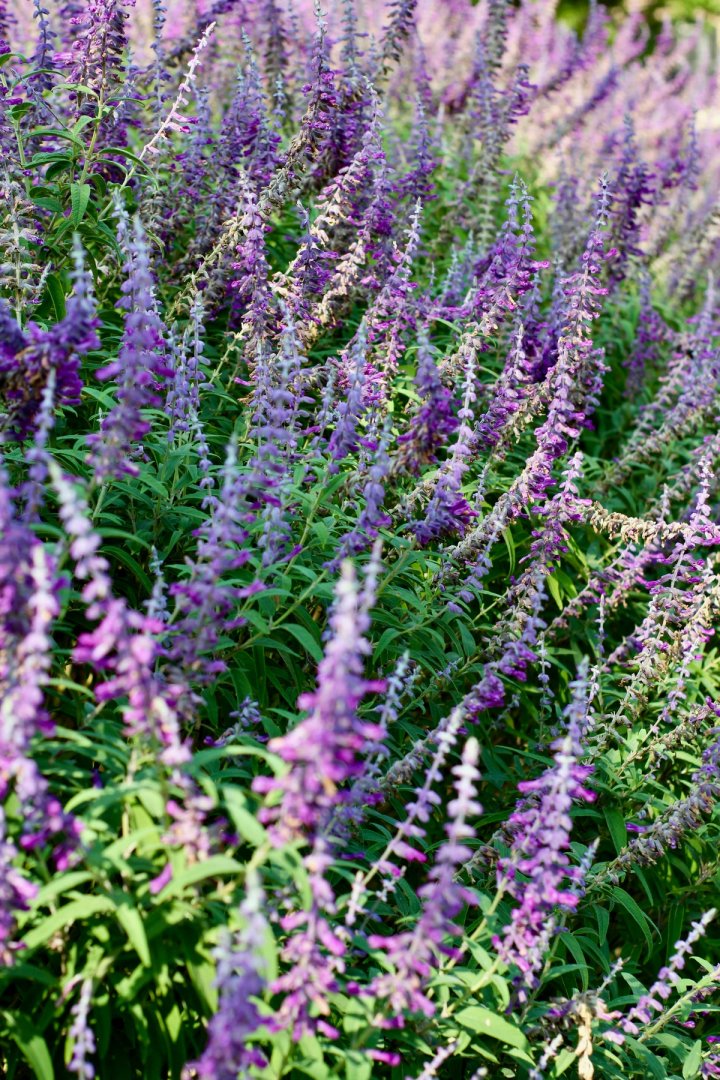
Russian Sage (Perovskia)
Full Sun
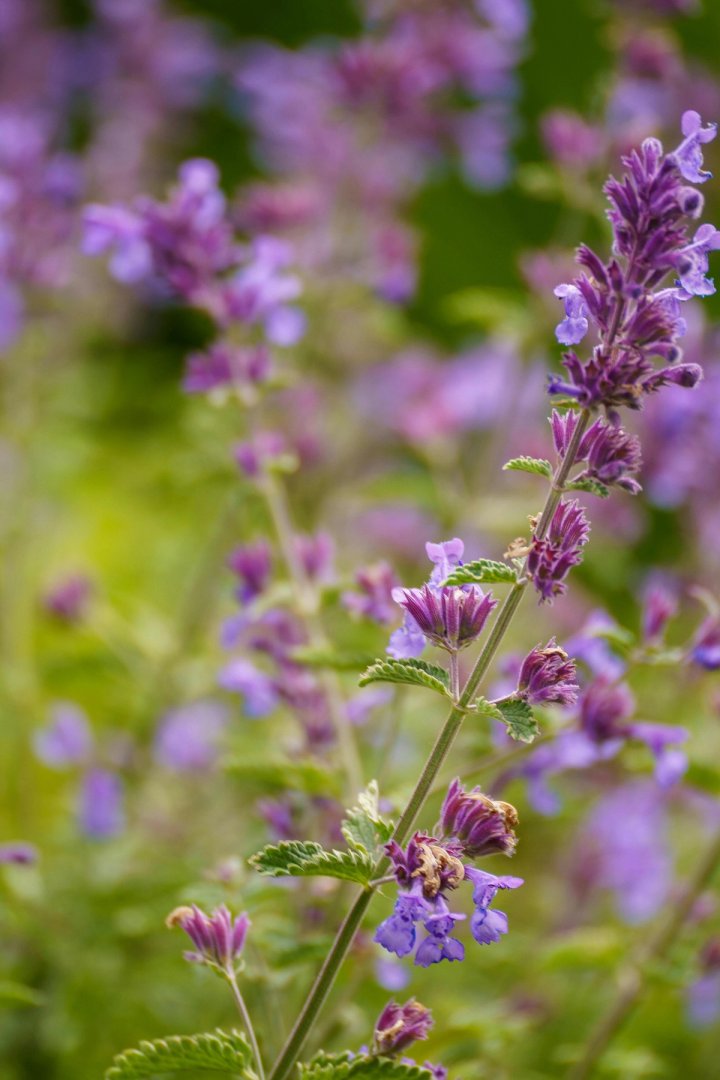
Catmint
Full Sun
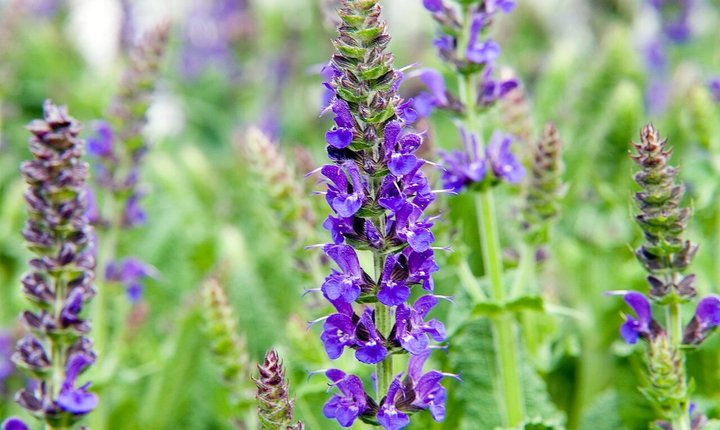
Salvia May night
Full Sun • Part Sun
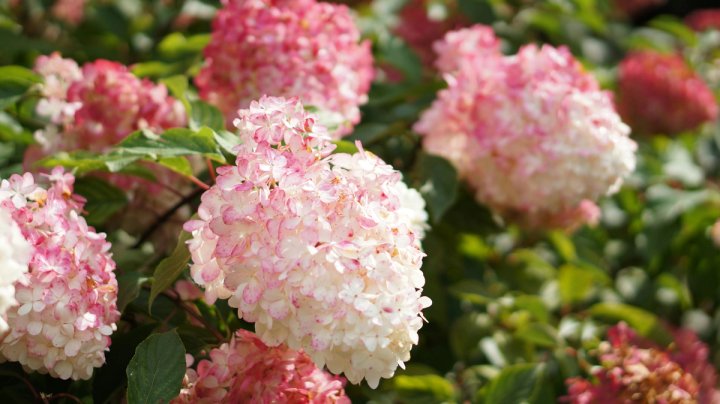
Hydrangea Vanilla Strawberry
Full Sun • Part Sun
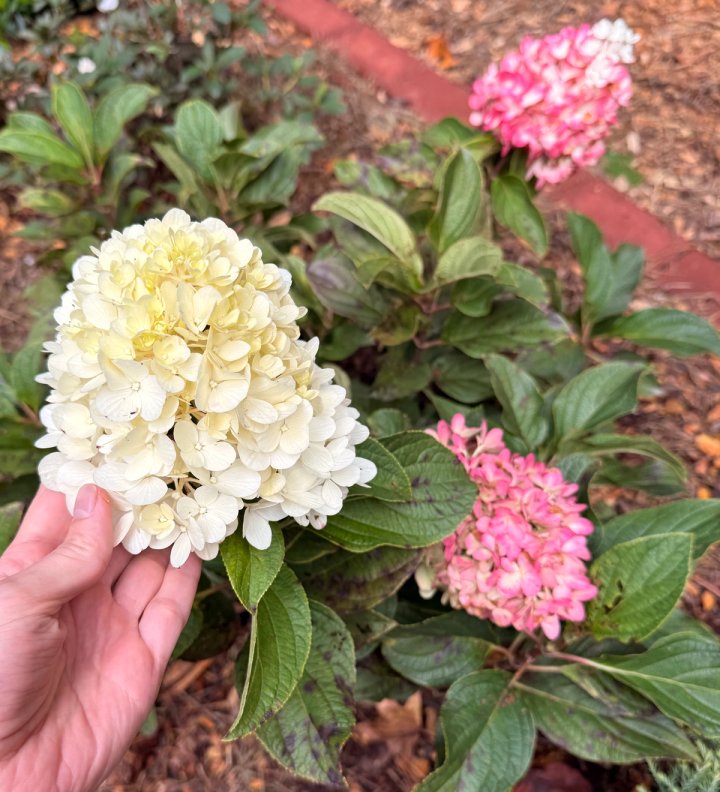
Hydrangea Sweet Starlight
Full Sun • Part Sun
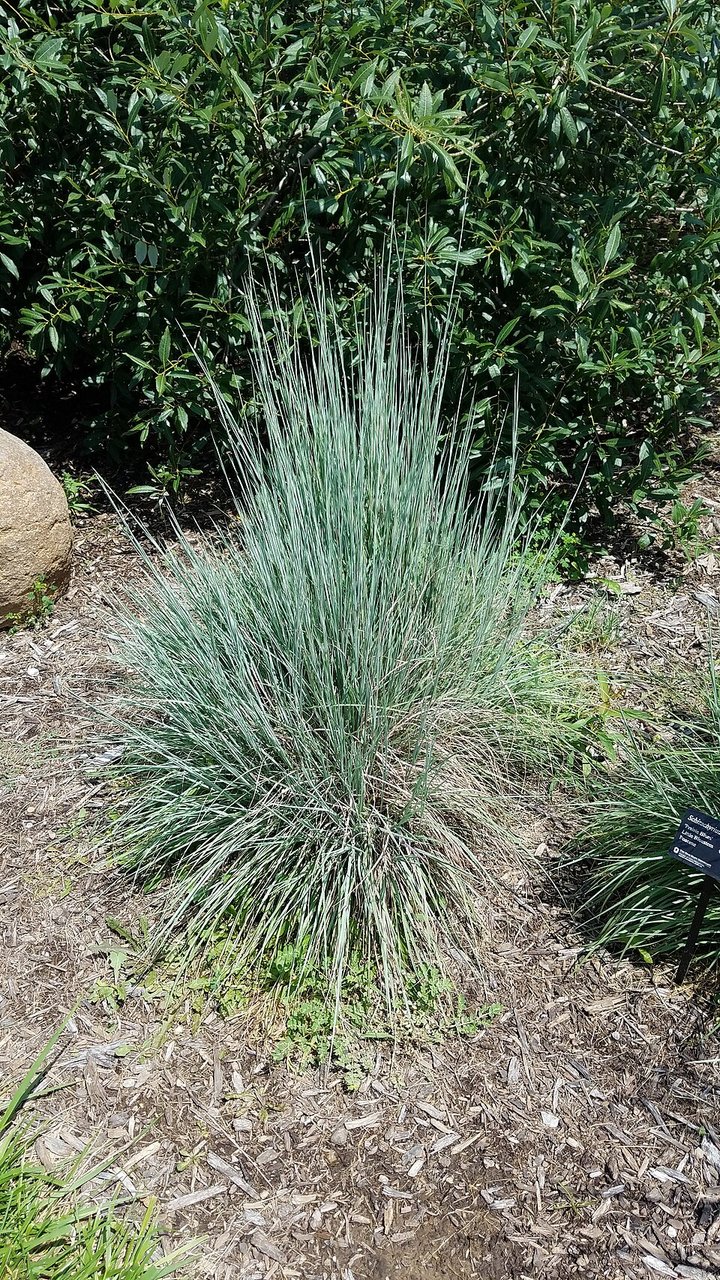
Little Bluestem grass
Full Sun
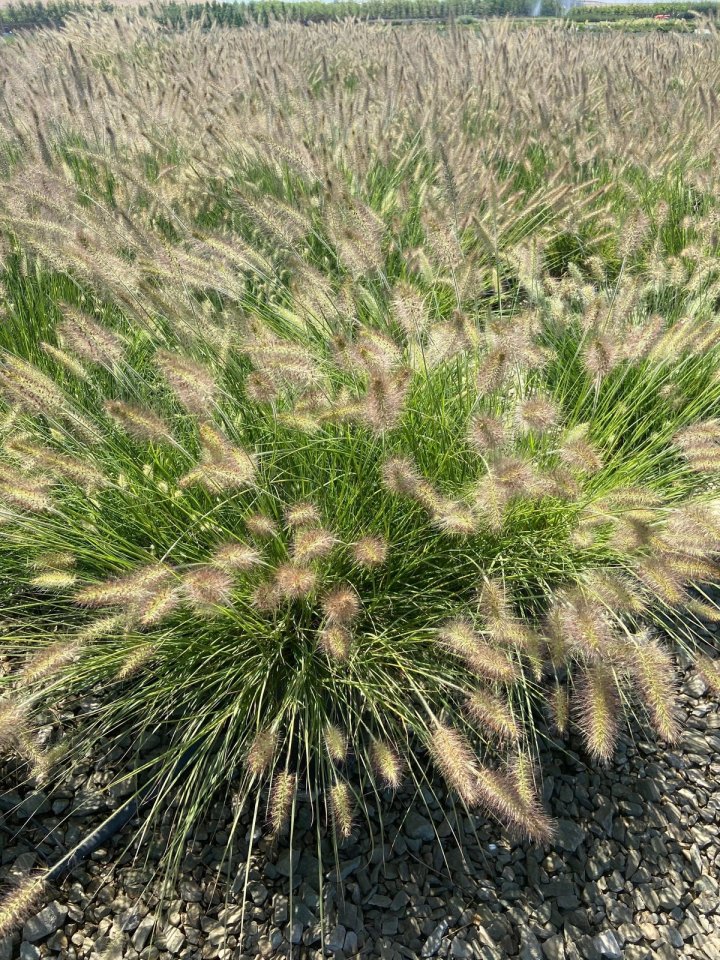
Little Bunny Dwarf Fountain Grass
Full Sun
Front edge.
Low plants that spill slightly over the bed edge: creeping phlox, sedum, dianthus, candytuft or carex. A clean front edge makes the whole bed look intentional.
Plant list
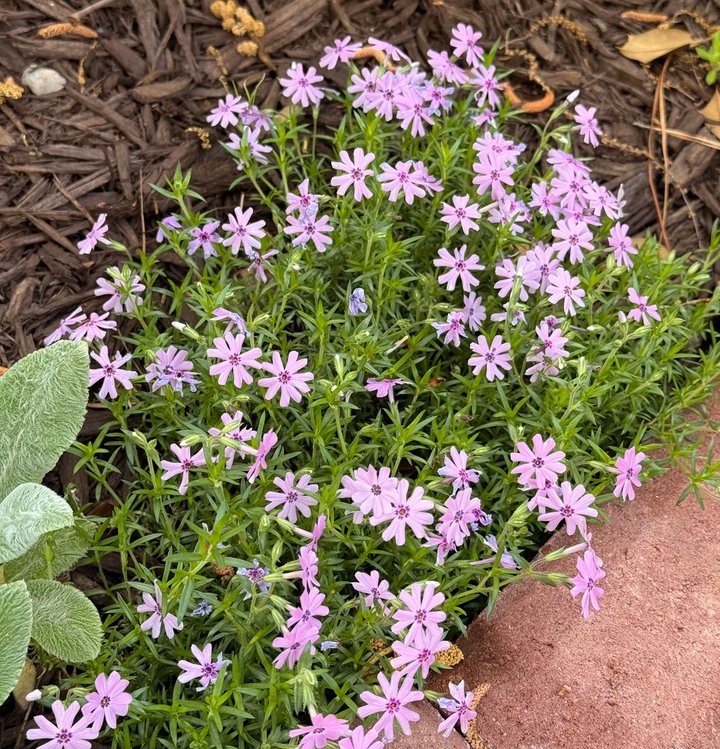
Creeping phlox
Full Sun • Part Shade • Part Sun
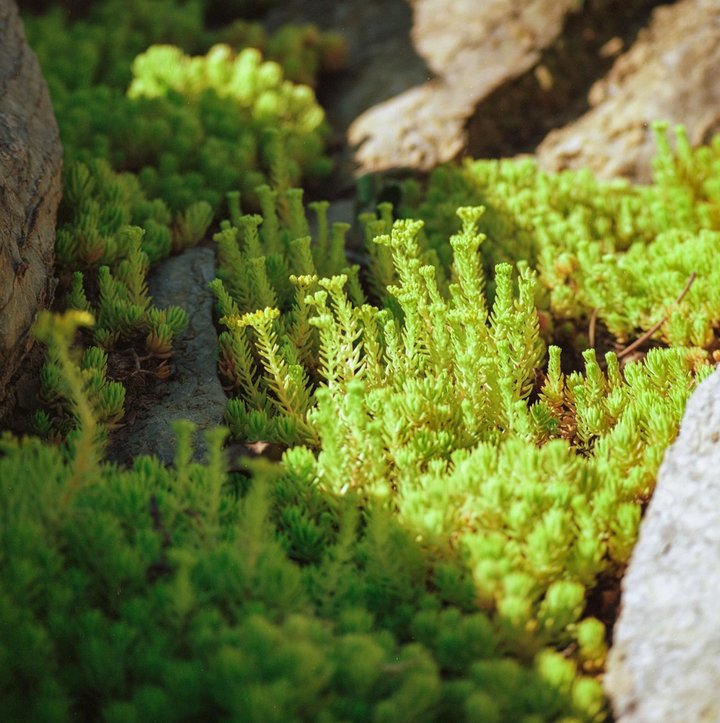
Sedum
Full Sun • Part Sun
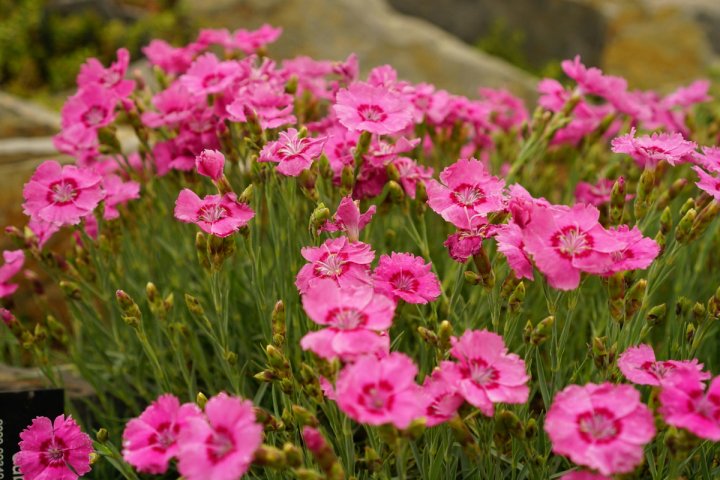
Dianthus 'Firewitch'
Full Sun • Part Sun
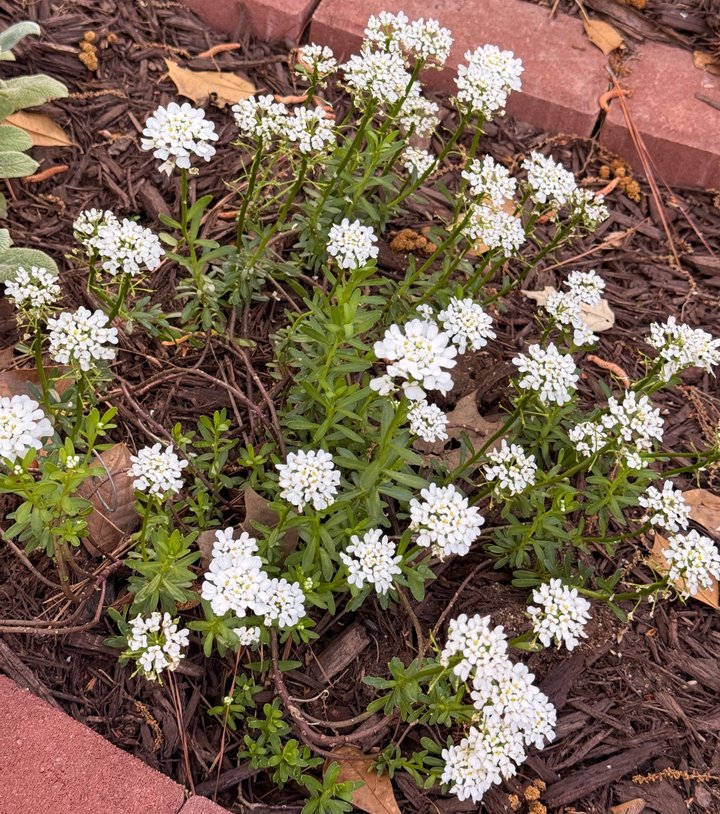
Candytuft
Full Sun • Part Sun
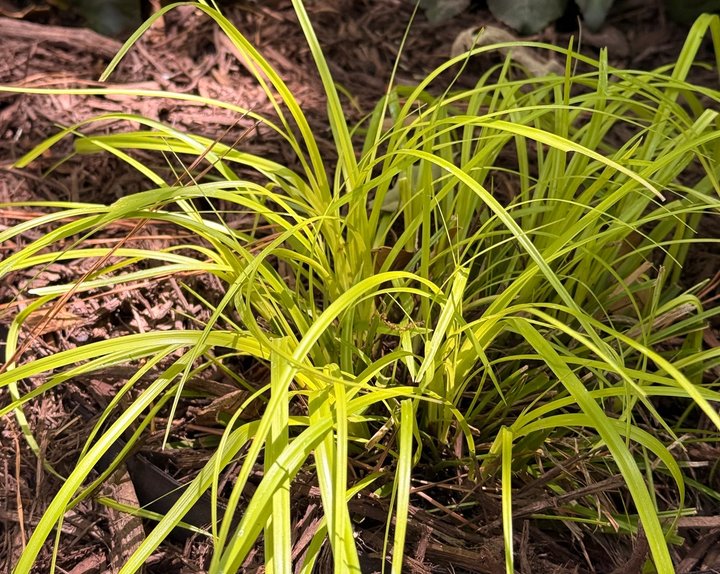
Carex Everillo (Japanese sedge)
Full Sun • Part Shade • Part Sun • Shade
One small tree or tall accent.
If your bed is large enough, one Japanese maple, camellia, osmanthus, weeping redbud or magnolia jane (10ft by 8ft) provides height, shade, and a focal point that draws the eye up from the ground-plane.
Plant list
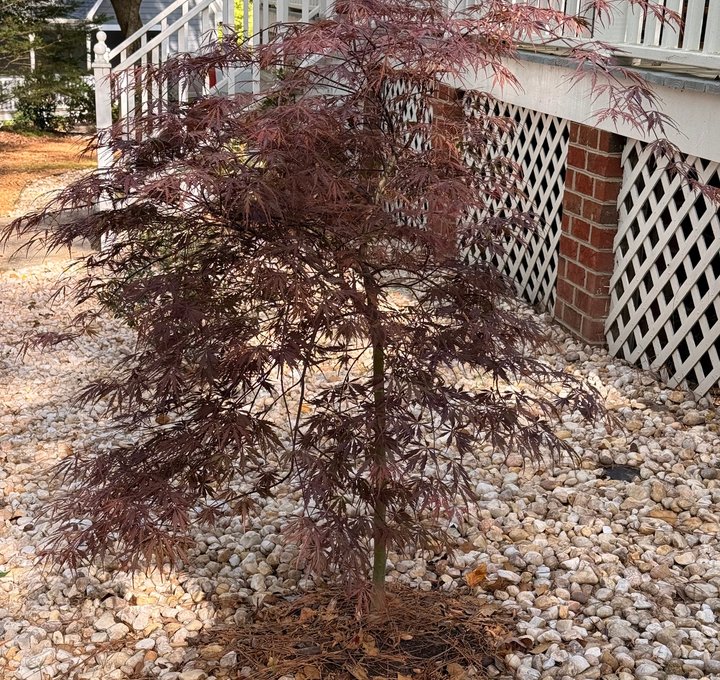
Japanese Maple Tamukeyama
Full Sun • Part Shade • Part Sun • Shade
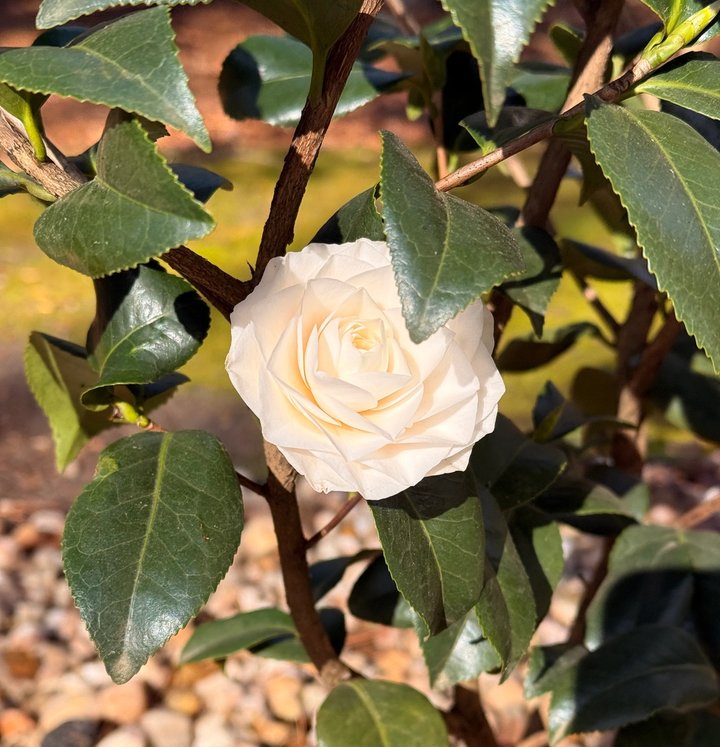
Camellia japonica
Part Shade • Part Sun • Shade
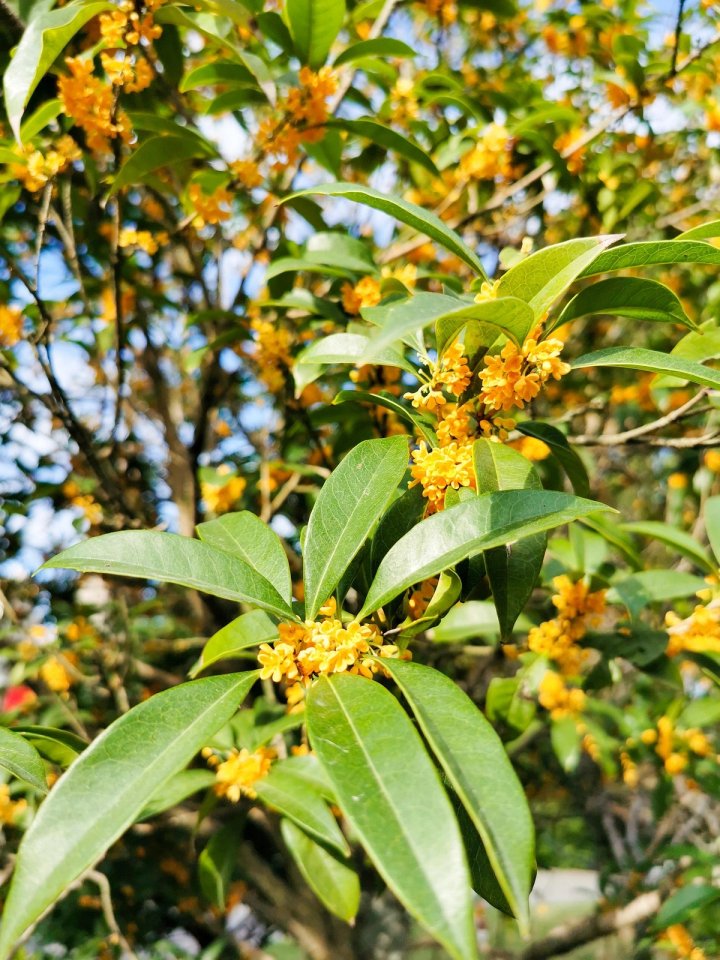
Osmanthus
Full Sun • Part Shade • Part Sun
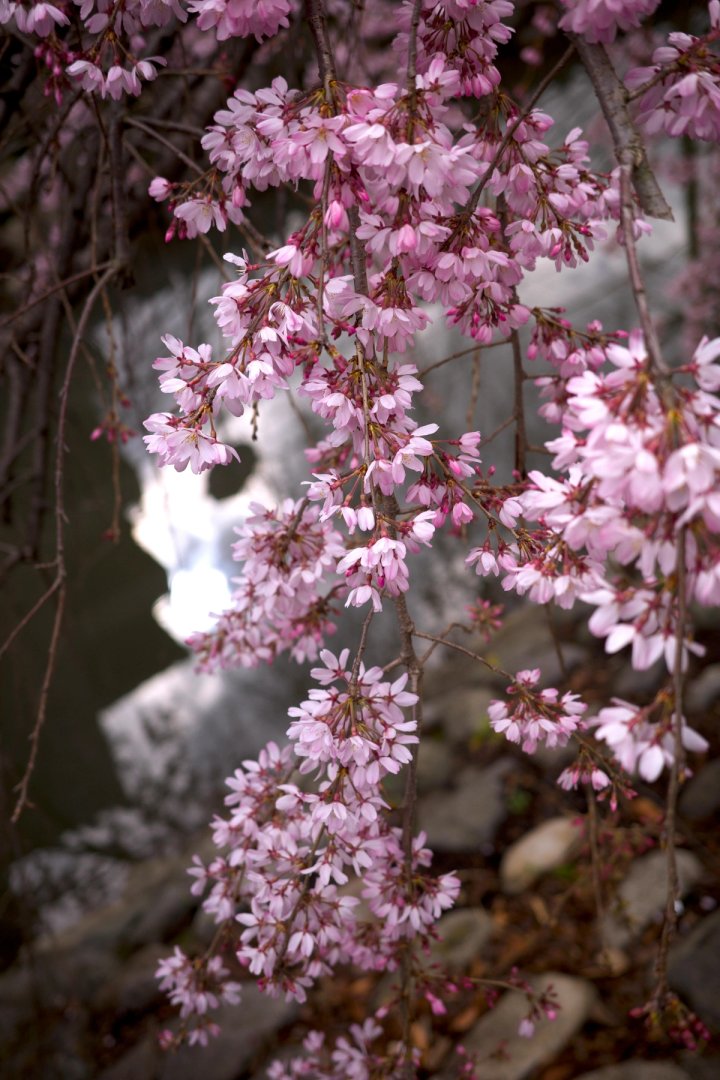
Weeping redbud
Full Sun • Part Sun
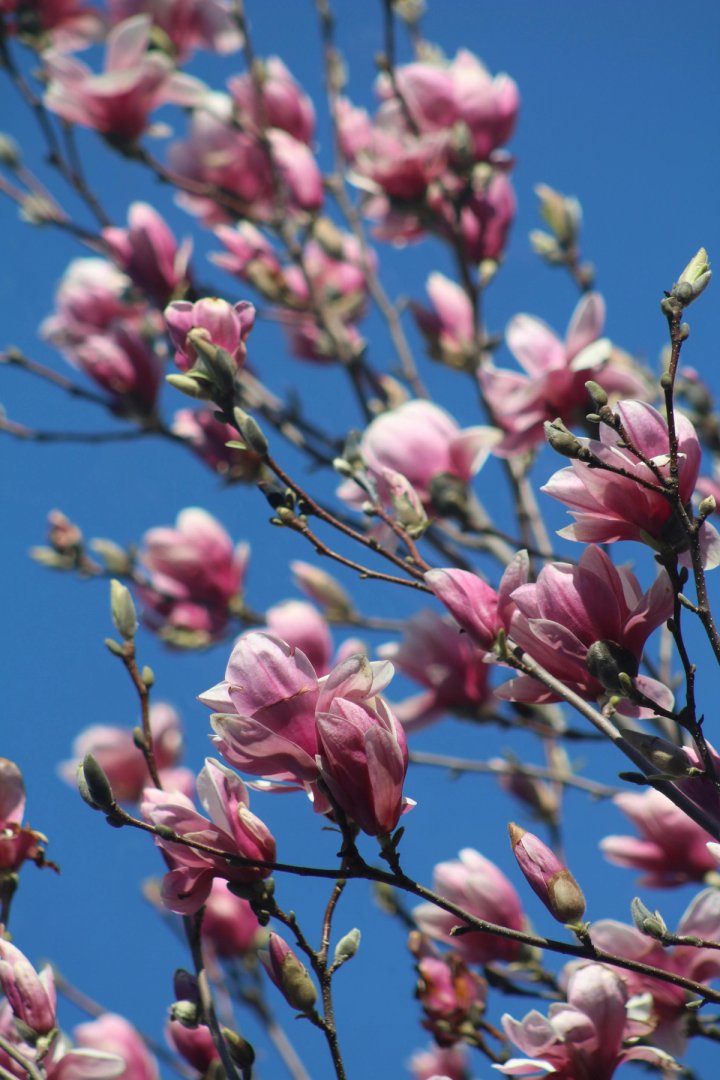
Magnolia Jane
Full Sun • Part Sun
Design rules for front yards
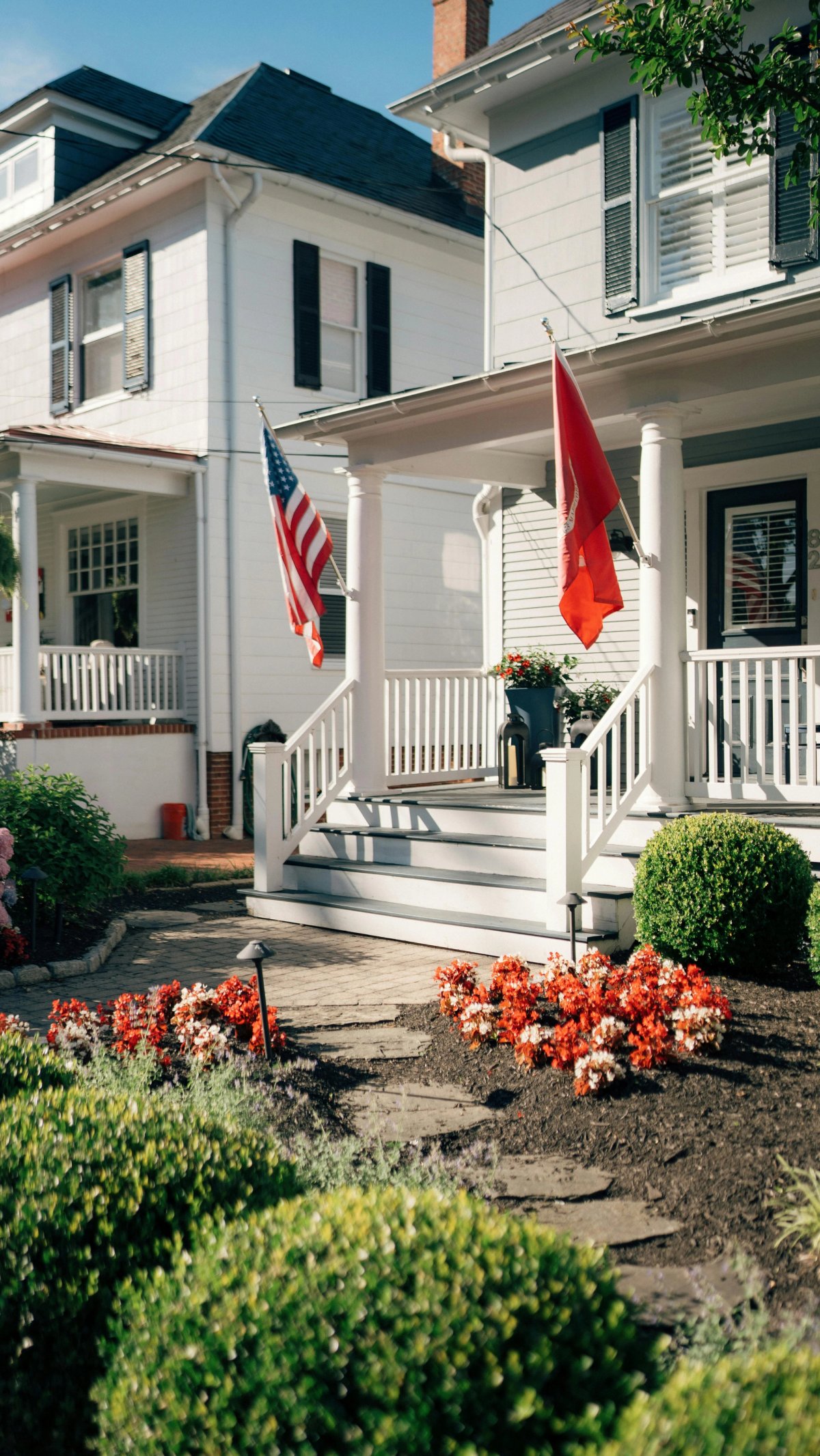
Keep it symmetrical or balanced. Front yards generally look best with either mirror symmetry (identical plants on each side of the front door) or informal balance (different plants on each side but equal visual weight). Avoid completely random-looking planting in the front - it reads as messy from the street.
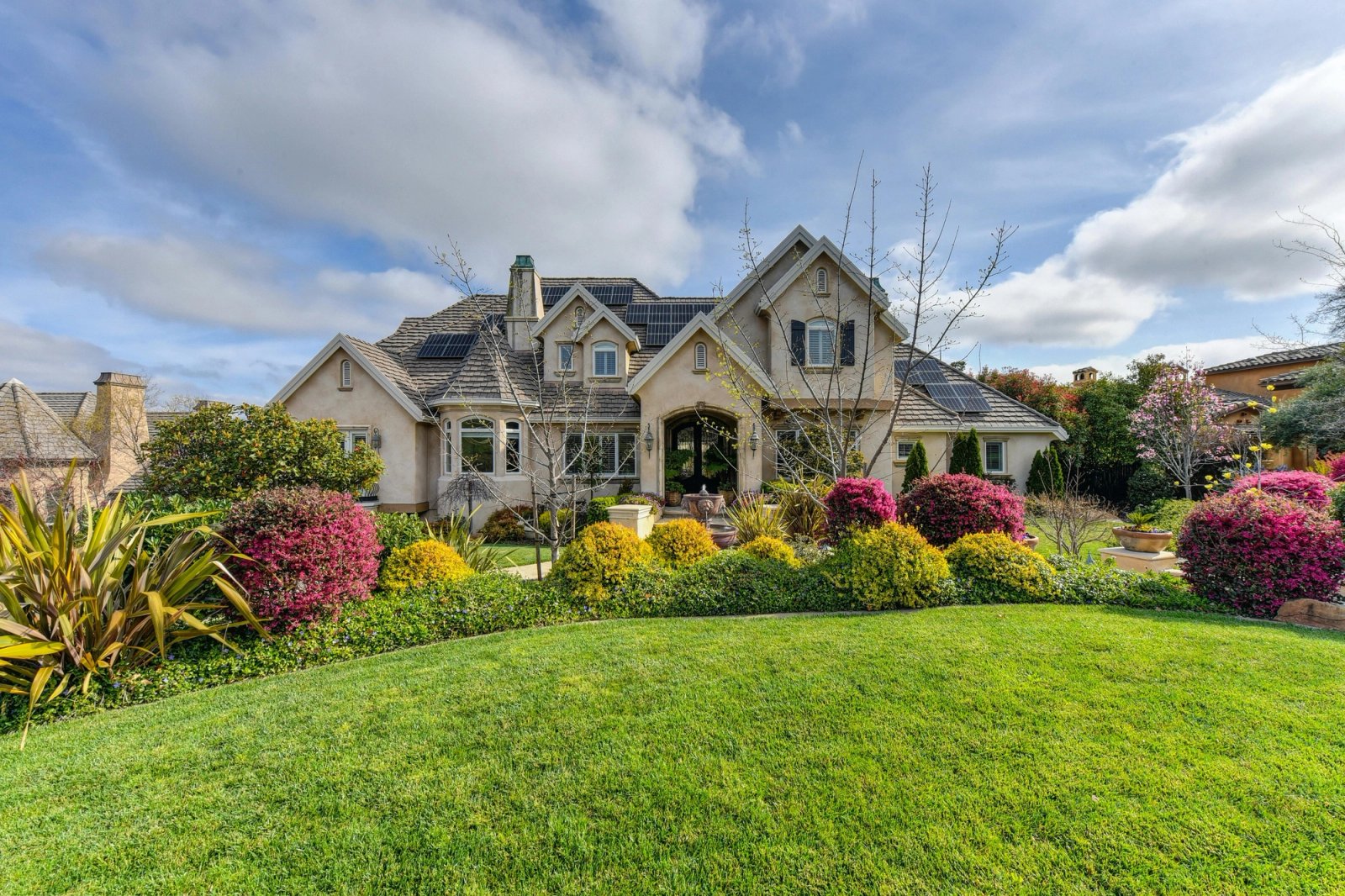
Limit your color palette. Choose two or three colors and stick with them. A front yard with every color of the rainbow looks chaotic.
Classic combinations:
- white + green + one accent color (blue salvia, pink roses, or purple lavender).
- warm tones: coral + peach + soft yellow
The restraint is what makes it look designed.
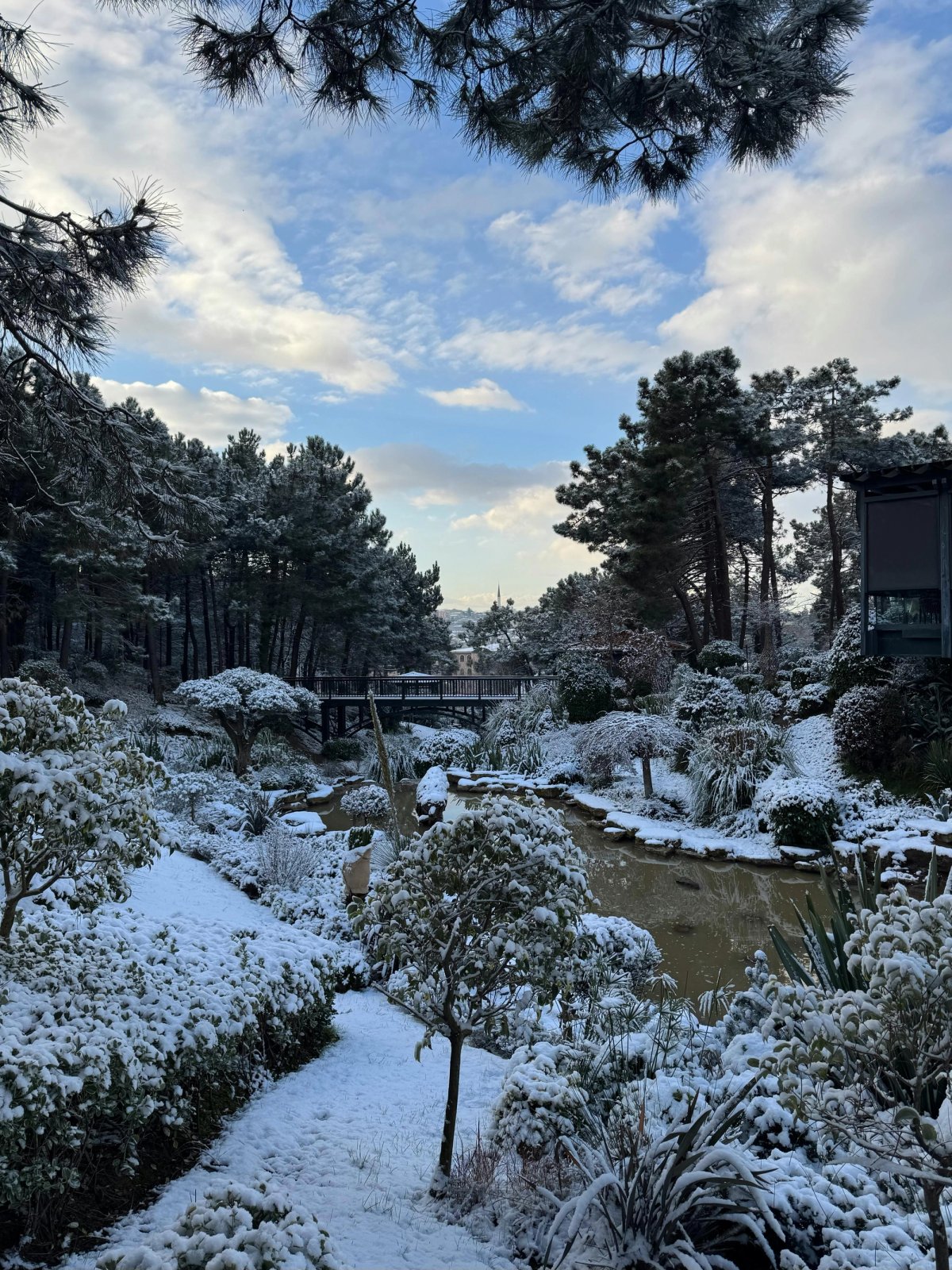
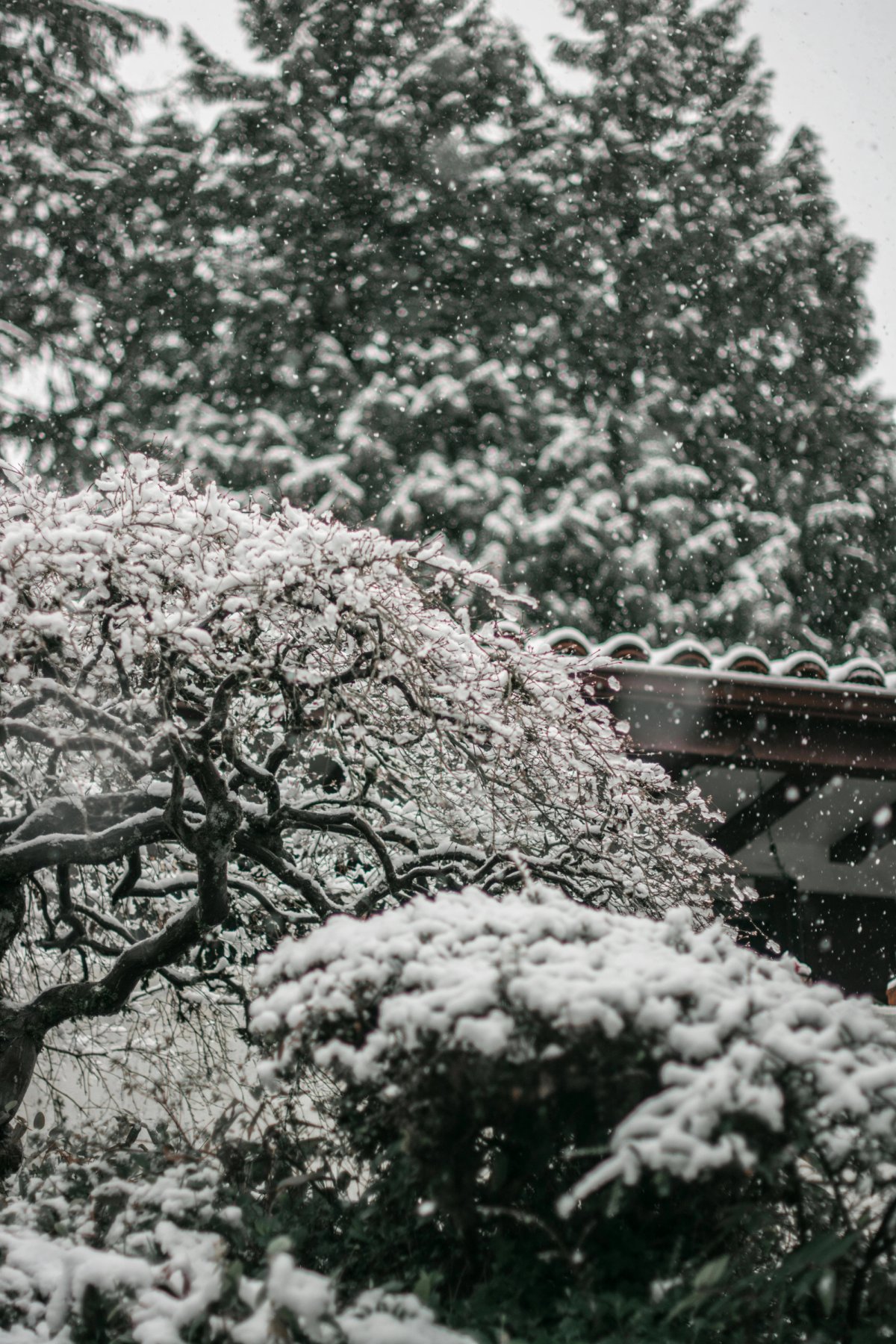
Think about winter. This is where most front yard gardens fail. The flowers are gorgeous June through September, then everything dies back and you're left with bare soil and mulch until spring. Plan for at least 50% of your bed to be evergreen - boxwood, holly, ornamental grasses that hold their form, and hellebores that bloom in late winter.
Repeat, don't randomize. Plant in groups of 3, 5, or 7. Place the same combination in two or three spots across the bed. This repetition creates rhythm and makes the bed feel cohesive rather than like a plant collector's hodgepodge.
A sample front yard layout
For a bed that runs along the front of the house, about 5 feet deep and 25 feet wide, with the front door roughly centered.
Flanking the front door: Two matching gardenias diamond spire or columnar hollies for vertical framing.
Left and right thirds: Repeating groups of knockout roses (or if you prefer lower maintenance, dwarf butterfly bush) paired with catmint and backed by a row of compact inkberry holly.
Center section (below a window): Lower planting to keep the view open. Heuchera, low ornamental grasses, and seasonal bulbs (tulips in spring, alliums in early summer).
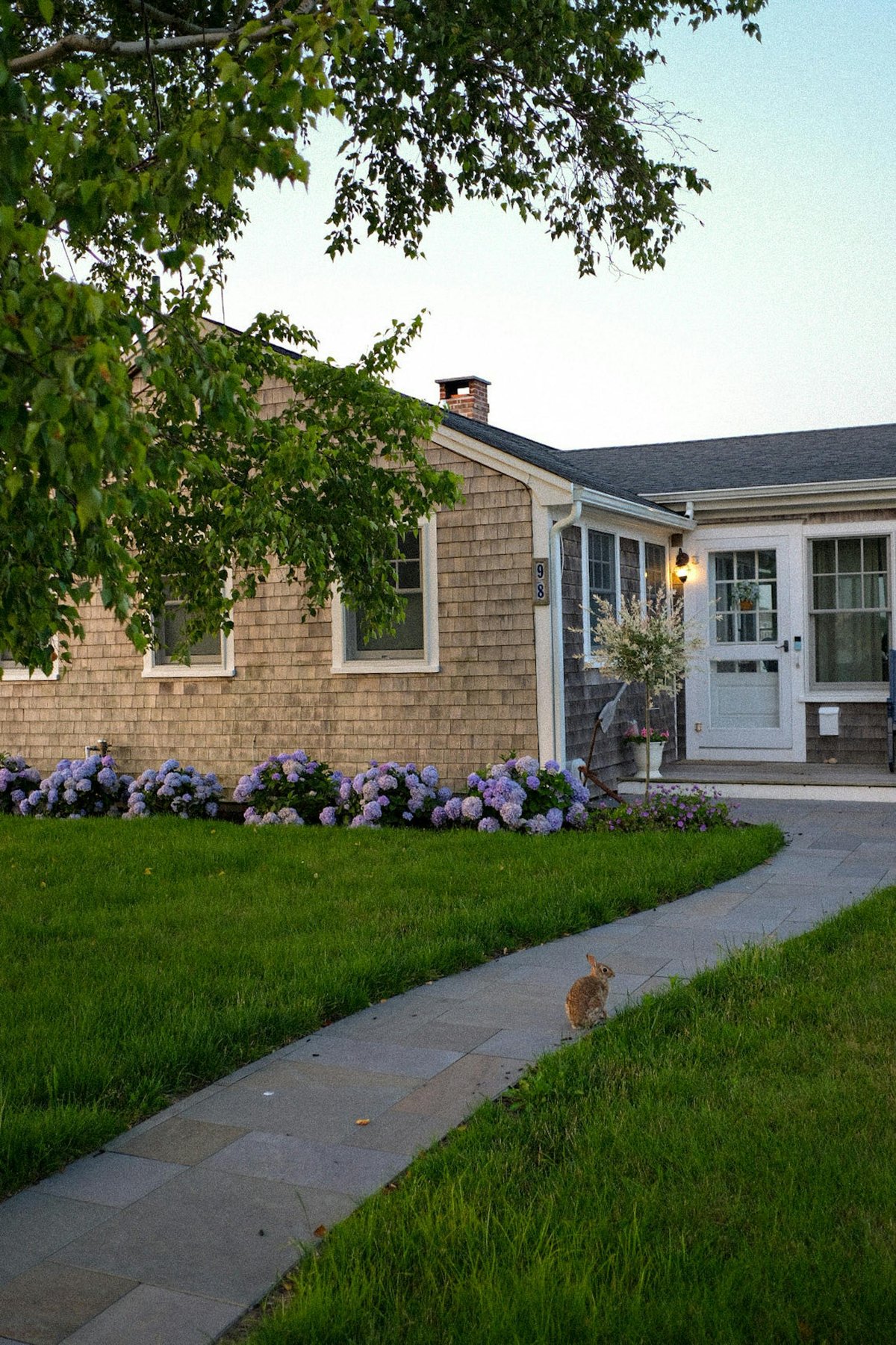
Front edge (continuous): A ribbon of carex or sedum that unifies the whole bed. This continuous line is what gives the bed its finished, designed look.
Mulch: Clean brown hardwood mulch, 2–3 inches deep. Refresh it once a year in early spring for instant curb appeal.
Maintenance reality
Front yard beds need to look good with minimal maintenance because, frankly, most of us don't want to spend every Saturday morning working in the front yard while neighbors walk by.
Choose plants rated for your zone that don't need staking, frequent deadheading, or division every year. Skip anything described as "vigorous spreader" - in a front bed, that translates to "will take over and look weedy by July."
Plan one spring cleanup (cut back grasses and perennials, refresh mulch, plant annuals if desired), one midsummer deadheading session, and one fall cutback. Three maintenance days per year for a bed that looks polished every day. That's the goal.
Plan your front yard layout directly on your photos - so spacing, symmetry, and structure feel right before you plant.
Tags
Related ideas
More to explore

Garden design
How to Design a Garden Bed Like a Designer: The 5 Principles That Make It Look Intentional
The difference between a garden that looks designed and one that looks like a plant sale isn't the plants - it's five principles. Layering, structure, color, repetition, and bloom sequence, explained.
July 21, 2026

Garden design
How I Track My Garden Year by Year (Without Guessing Every Spring)
If you forget what you planted every spring, this simple visual system helps you track your garden year by year - without notes or guesswork.
May 6, 2026

Foundation Planting Guide - How to Prepare, Design, and Plant the Beds Around Your House
Here's how to do it right, starting with the ground work that most guides skip entirely.
April 28, 2026