

Native Plants for a Pollinator Garden in the Southeast - What to Grow, Who It Feeds
Garden design
April 27, 2026
There's a version of a pollinator garden that looks like a mess - a well-intentioned tangle of whatever wildflower seeds came in the packet. And then there's a pollinator garden that's designed: intentional, layered, blooming in sequence from March through October, and feeding the specific butterflies, bees, and hummingbirds that actually live in your area.
The second version isn't harder. It just requires knowing which native plants do the real work in the Southeast, and planting them with the same thoughtfulness you'd give any garden bed.
Here are the plants that earn their place - organized by what they feed and when they bloom.
Why native plants matter for pollinators
Non-native flowers can provide nectar, and pollinators will visit them. But native plants do something more: they've co-evolved with local insect populations over thousands of years. This means native plants provide the specific nectar chemistry, pollen structure, and leaf tissue that our local pollinators need - not just for feeding, but for reproduction.
The most cited example: monarch butterflies can only lay their eggs on milkweed (Asclepias). No milkweed, no monarchs. It doesn't matter how many zinnias you plant - without the host plant, the lifecycle breaks.
Many native bees are similarly specialized. They need specific native plants for pollen, nesting materials, or both. A garden full of non-native flowers is like a restaurant with no kitchen - it looks inviting, but it can't sustain anyone long-term.
The early season (March - May): feeding the first foragers
When bees emerge from winter dormancy, they need food immediately. Early-blooming natives are critical for survival.
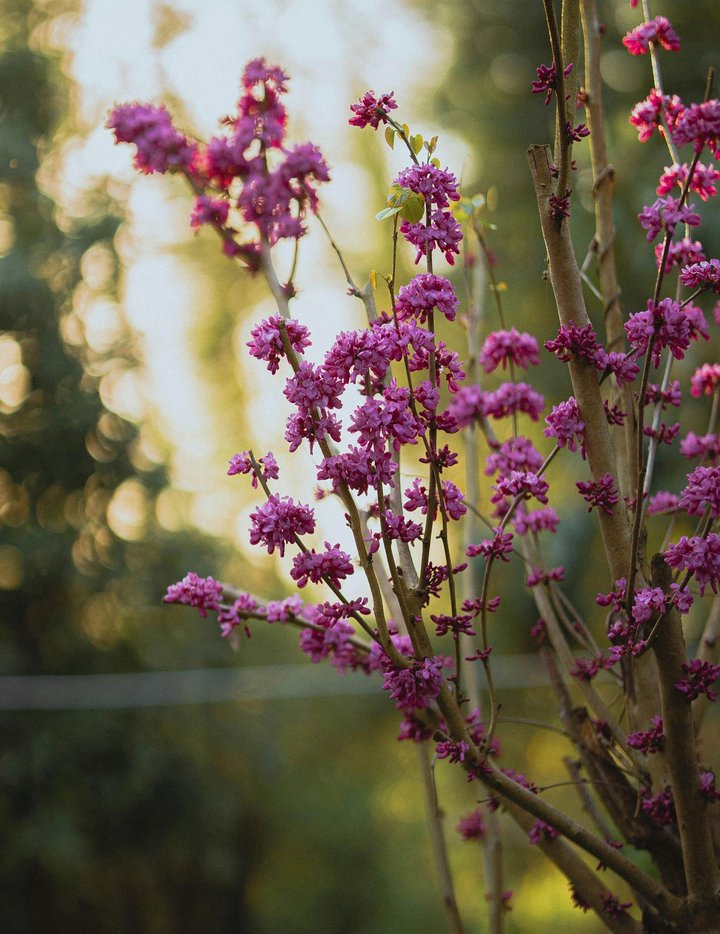
Eastern Redbud (Cercis canadensis)
One of the first trees to bloom in the Southeast - often by late March. The small pink flowers appear before the leaves, covering the branches in a haze of color. Native bees, honeybees, and early butterflies all feed on redbud blooms. It's also a beautiful understory tree that grows in sun or partial shade. Zone 4-9.
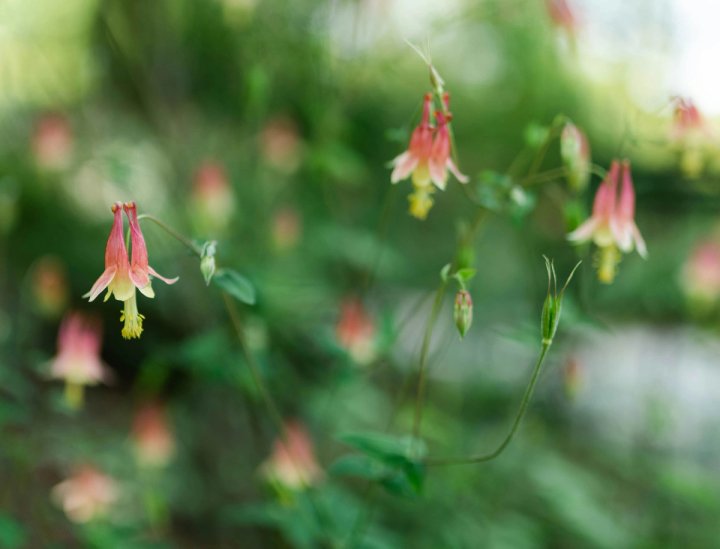
Wild Columbine (Aquilegia canadensis)
Red and yellow nodding flowers on delicate stems from April through May. This is a hummingbird magnet - the tubular flower shape is perfectly adapted for their long beaks. Native bees also visit for pollen. Grows in partial shade to full sun, tolerates rocky and dry soils. Self-seeds gently. Zone 3-8.
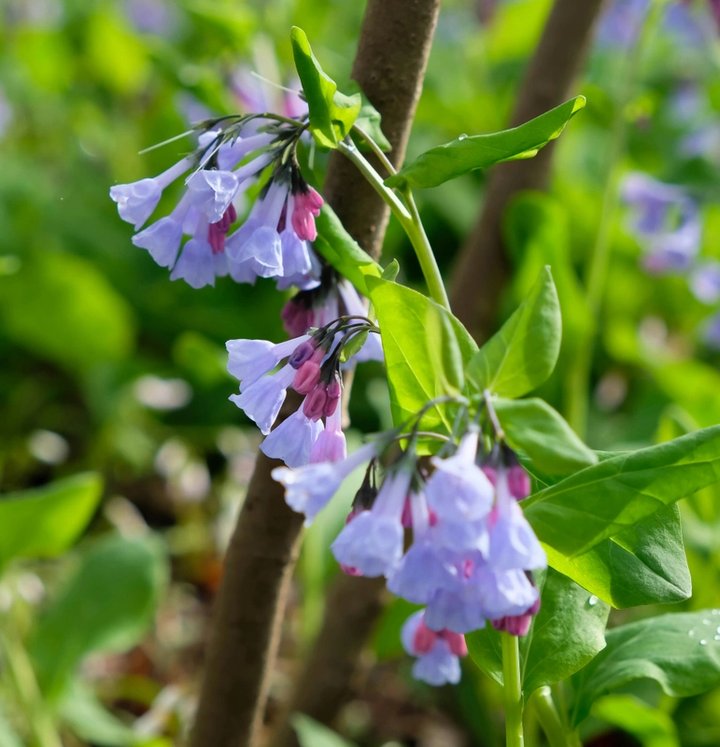
Virginia Bluebells (Mertensia virginica)
Pink buds open to sky-blue bells in early spring, then the entire plant retreats underground by June. While they're up, they're important for early-emerging bumblebees. Plant them where something else (hostas, ferns) will fill the gap. Zone 3-8.
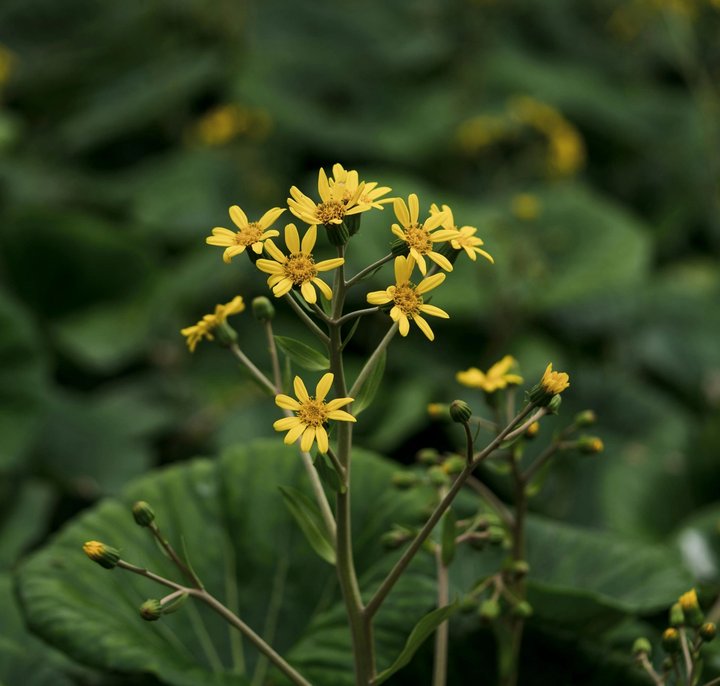
Golden Ragwort (Packera aurea)
A low, spreading groundcover with bright yellow daisy-like flowers in March and April. One of the earliest native bloomers and an important food source for mining bees and other early pollinators. Evergreen foliage, thrives in moist shade. Excellent under trees. Zone 3-8.
Plant list
Eastern Redbud
Full Sun • Part Shade • Part Sun
Wild Columbine (Aquilegia canadensis)
Full Sun • Part Shade • Part Sun
Virginia Bluebells (Mertensia virginica)
Full Sun • Part Shade • Part Sun
Golden Ragwort (Packera aurea)
Part Shade • Shade
If you plant only 3 things, start here:
- Redbud (early bloom)
- Milkweed (host plant)
- Goldenrod (late season)
The peak season (June – August): sustaining the crowd
This is when pollinator activity is at its highest. You need plants that bloom for weeks, not days.
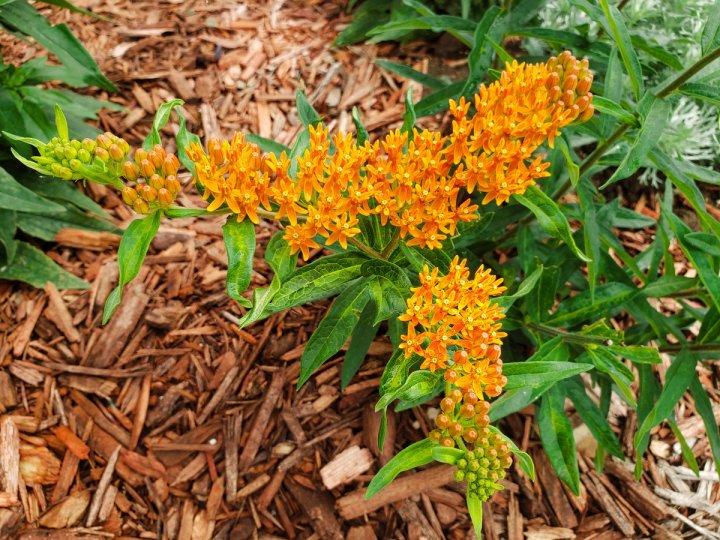
Butterfly Milkweed (Asclepias tuberosa)
Bright orange flower clusters from June through August. This is the monarch butterfly's essential host plant - females lay eggs on the leaves, and caterpillars feed on them. Unlike common milkweed, this species is clump-forming (not aggressive) and thrives in full sun and dry soil. It's also stunning in the garden - the orange color is unlike anything else in a typical perennial bed. Zone 3-9.
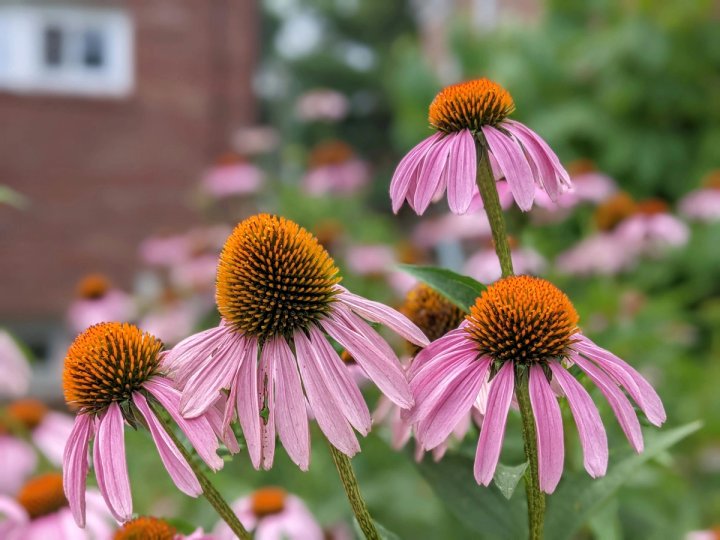
Purple Coneflower (Echinacea purpurea)
The workhorse of southeastern pollinator gardens. Pink-purple daisy flowers with raised orange cones bloom from June through September. Butterflies, native bees, honeybees, and beneficial wasps all visit. Leave the seed heads standing through winter - goldfinches feed on them. Full sun, drought-tolerant, easy. Zone 3-8.
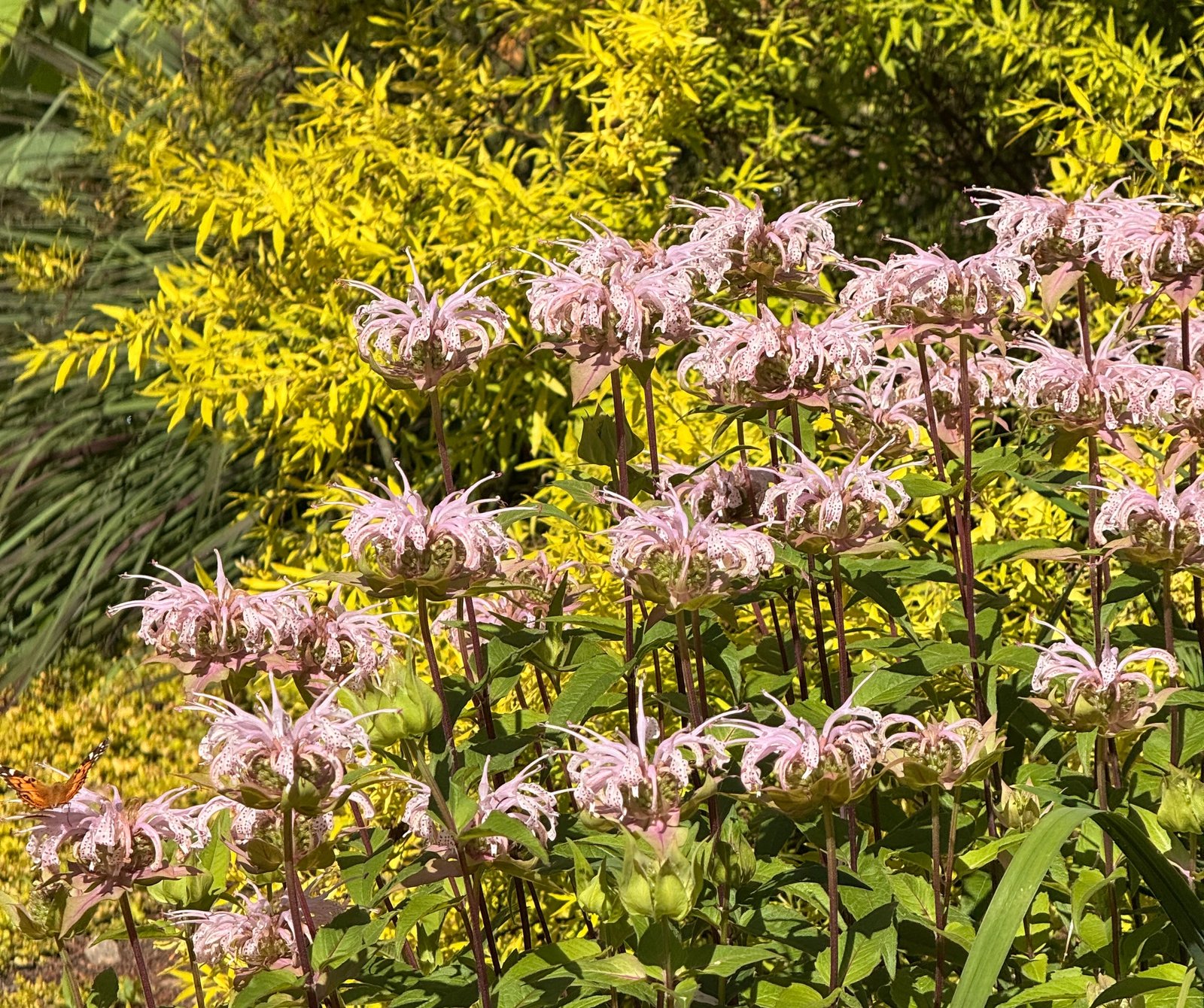
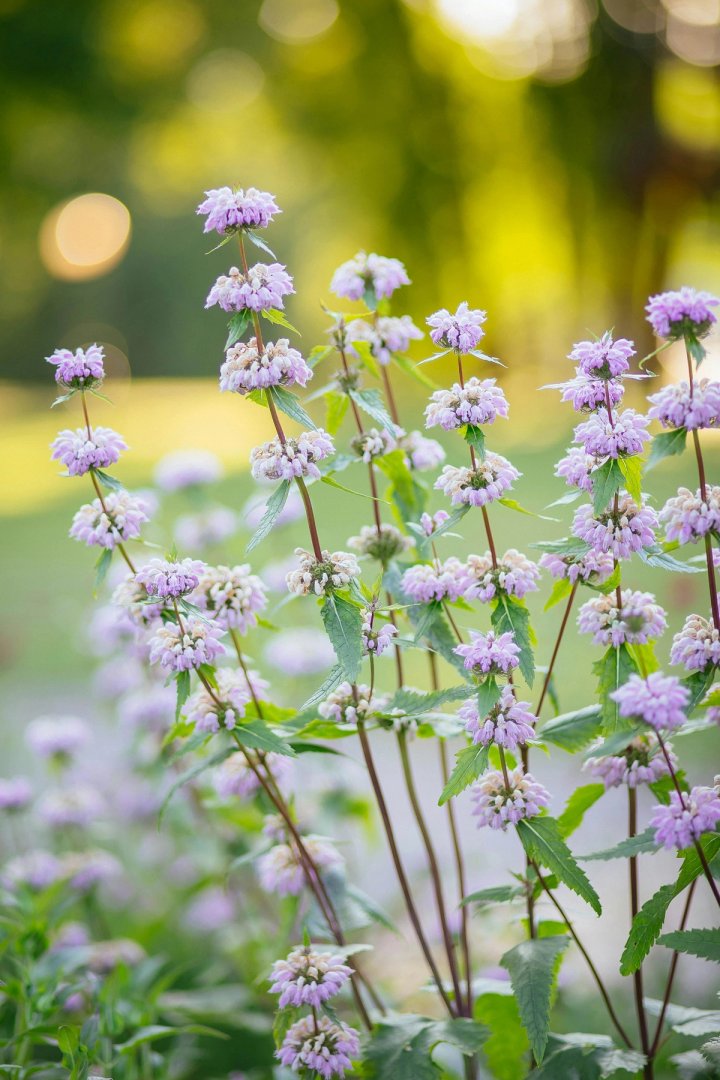
Wild Bergamot (Monarda fistulosa)
Lavender pom-pom flowers from June through August. This is bee balm's native cousin, and it's more drought-tolerant and disease-resistant than the garden varieties. Bumblebees adore it. Hummingbirds visit. Plant it in full sun with good drainage. Zone 3-9.
Black-Eyed Susan (Rudbeckia hirta and Rudbeckia fulgida)
Golden daisy flowers with dark centers, blooming July through September. One of the most recognizable wildflowers in the Southeast. Butterflies, native bees, and beneficial insects all visit. Rudbeckia fulgida 'Goldsturm' is a reliable garden cultivar that returns year after year. Full sun, very easy. Zone 3-9.
Blazing Star (Liatris spicata)
Dramatic purple spikes that bloom from the top down - unusual and eye-catching. Blooms July through September. Monarch butterflies, swallowtails, and native bees are strongly attracted. The flower spikes add vertical drama to garden borders. Full sun, tolerates poor soil. Zone 3-8.
Joe Pye Weed (Eutrochium purpureum)
Tall - 5 to 7 feet - with large, dusty-pink flower clusters from July through September. This is the plant that butterflies swarm. Swallowtails, monarchs, and fritillaries cluster on the flower heads in late summer. Plant it at the back of a border or in a meadow garden. Prefers moist soil but adapts. Zone 4-8.
Plant list
Butterfly Milkweed (Asclepias tuberosa)
Full Sun
Echinacea
Full Sun • Part Sun
Wild Bergamot (Monarda fistulosa)
Full Sun
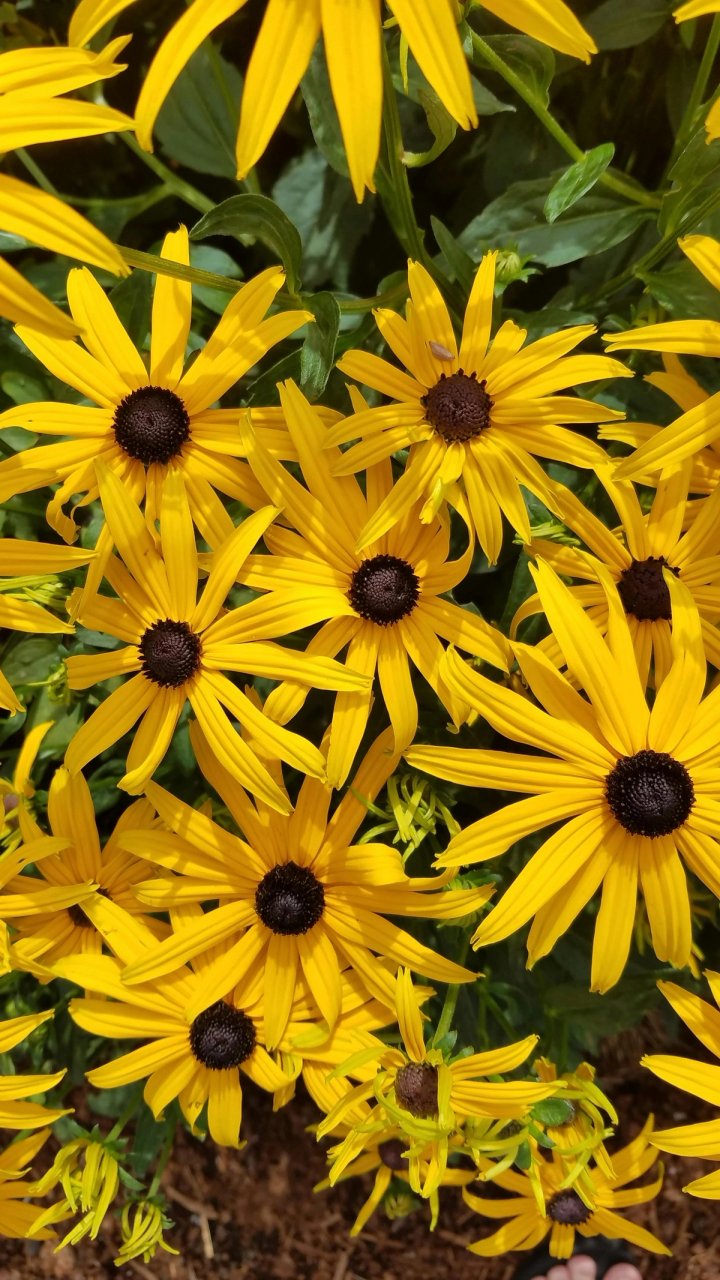
Black-Eyed Susan (Rudbeckia)
Full Sun
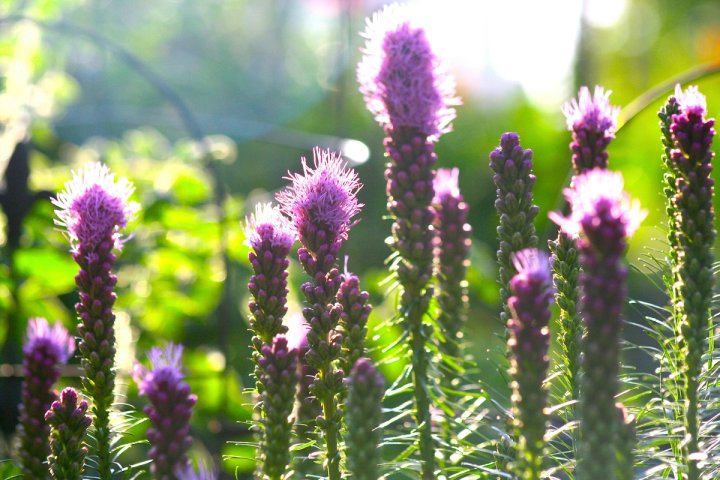
Liatris
Full Sun
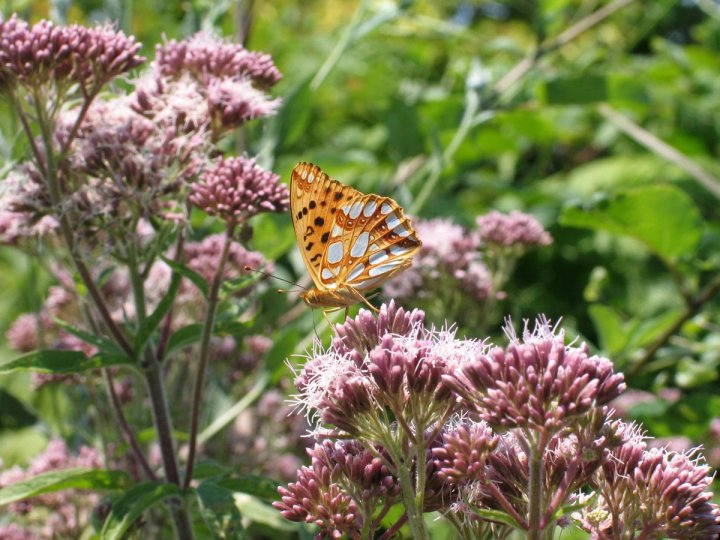
Joe Pye weed
Full Sun
The late season (September – October): fueling migration and winter prep
Late-blooming natives are critical for monarch migration and for bees storing resources for winter.
Goldenrod (Solidago)
Goldenrod does not cause allergies - that's ragweed, which blooms at the same time. Goldenrod is one of the most important late-season pollinator plants in eastern North America. Its yellow plumes feed honeybees, native bees, beetles, and migrating butterflies. There are dozens of native species; Solidago rugosa 'Fireworks' is a beautiful garden variety with arching sprays of gold. Full sun, easy. Zone 4-8.
New England Aster (Symphyotrichum novae-angliae)
Deep purple daisy flowers from September through October - one of the last native perennials to bloom. Provides critical late-season nectar for migrating monarchs and bees preparing for winter. Grows 3-6 feet tall. Cut it back by a third in early June to keep it shorter and bushier. Full sun. Zone 4-8.
Blue Mistflower (Conoclinium coelestinum)
Fluffy blue-purple flower clusters from August through October. Looks like a native ageratum. Butterflies and bees love it. Spreads freely in moist soil - give it room or plant it where spreading is welcome. Zone 5-10.
Aromatic Aster (Symphyotrichum oblongifolium)
Compact, 2–3 feet, covered in small blue-purple daisies in October. One of the latest bloomers and one of the best for dry, sunny sites. The foliage is fragrant when brushed. Excellent at the front of a border. Zone 4-8.
Plant list
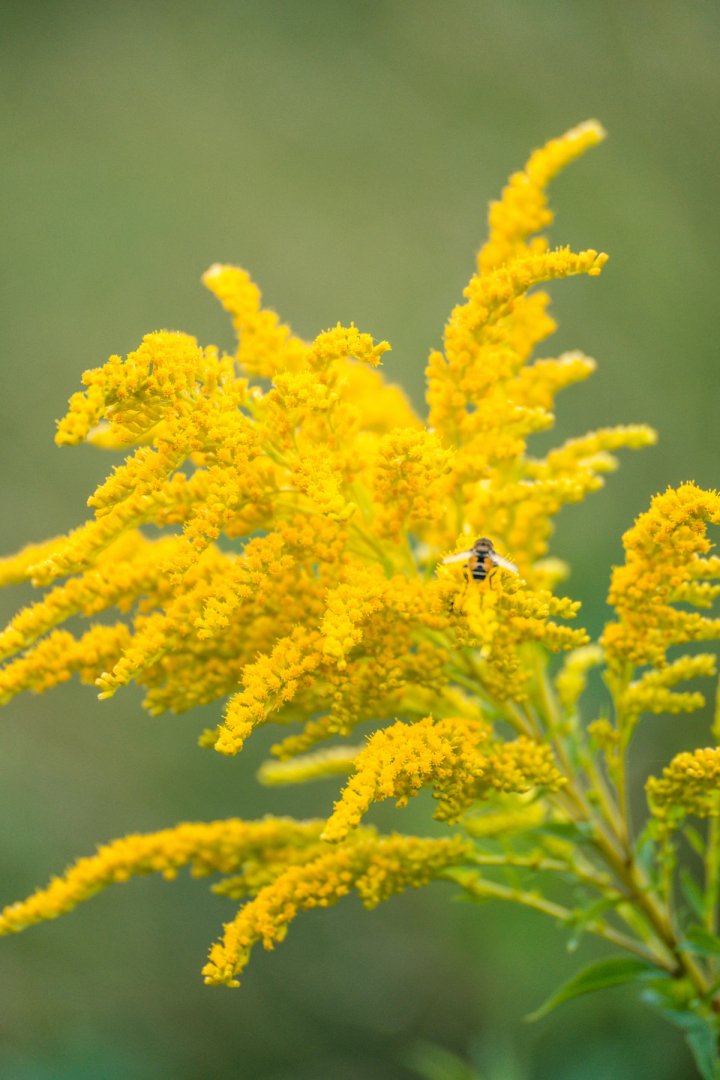
Goldenrod (Solidago)
Full Sun
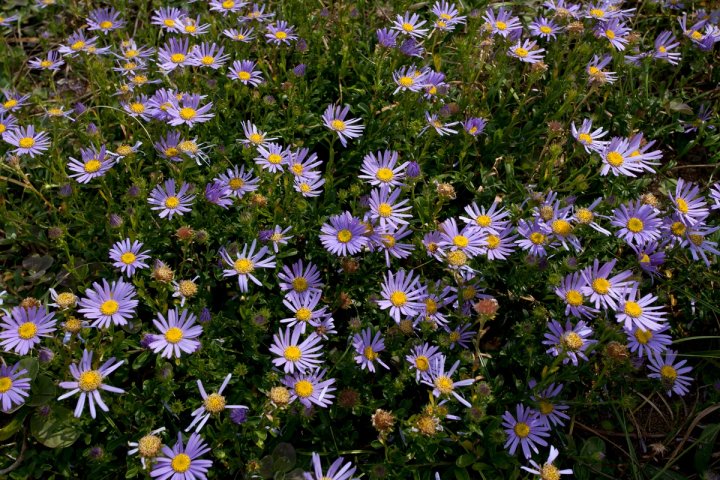
New England Aster (Symphyotrichum novae-angliae)
Full Sun
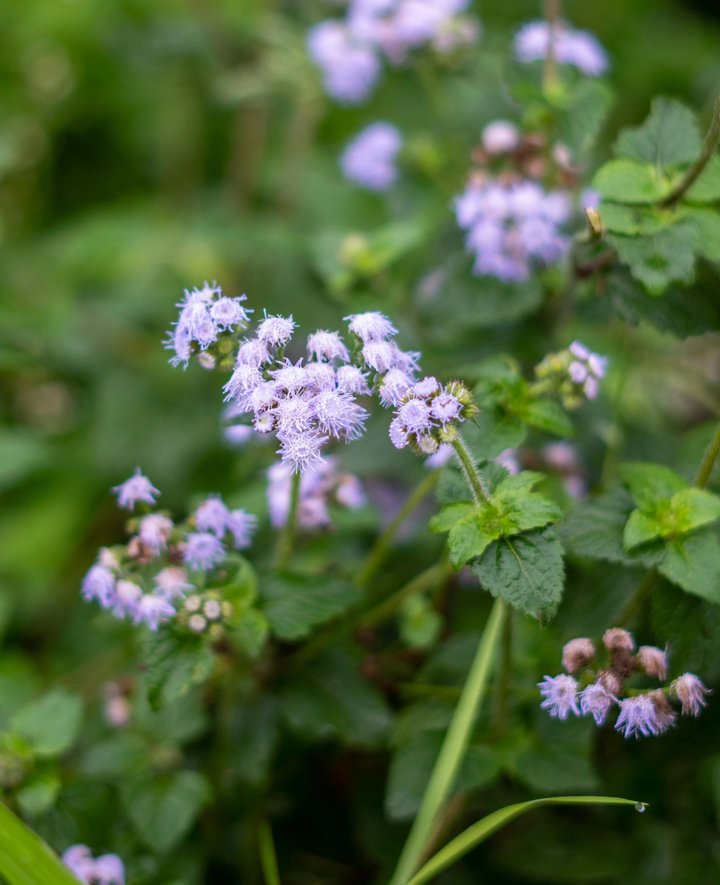
Blue Mistflower (Conoclinium coelestinum)
Full Sun
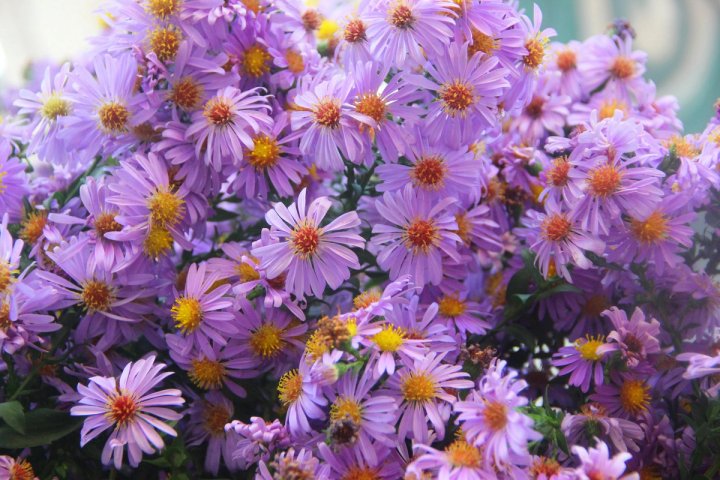
Aromatic Aster (Symphyotrichum oblongifolium)
Full Sun
Most pollinator plant lists stop at flowers. But if you want a garden that actually looks intentional - not just ecological - you need structure too.
Native Structural Plants - The Backbone Your Pollinator Garden Is Missing
Most pollinator guides focus exclusively on perennial flowers. But a garden needs bones - plants that provide structure, height, and year-round presence. These native trees, shrubs, and evergreens are pollinator-friendly AND give your garden the architecture that makes it look designed.
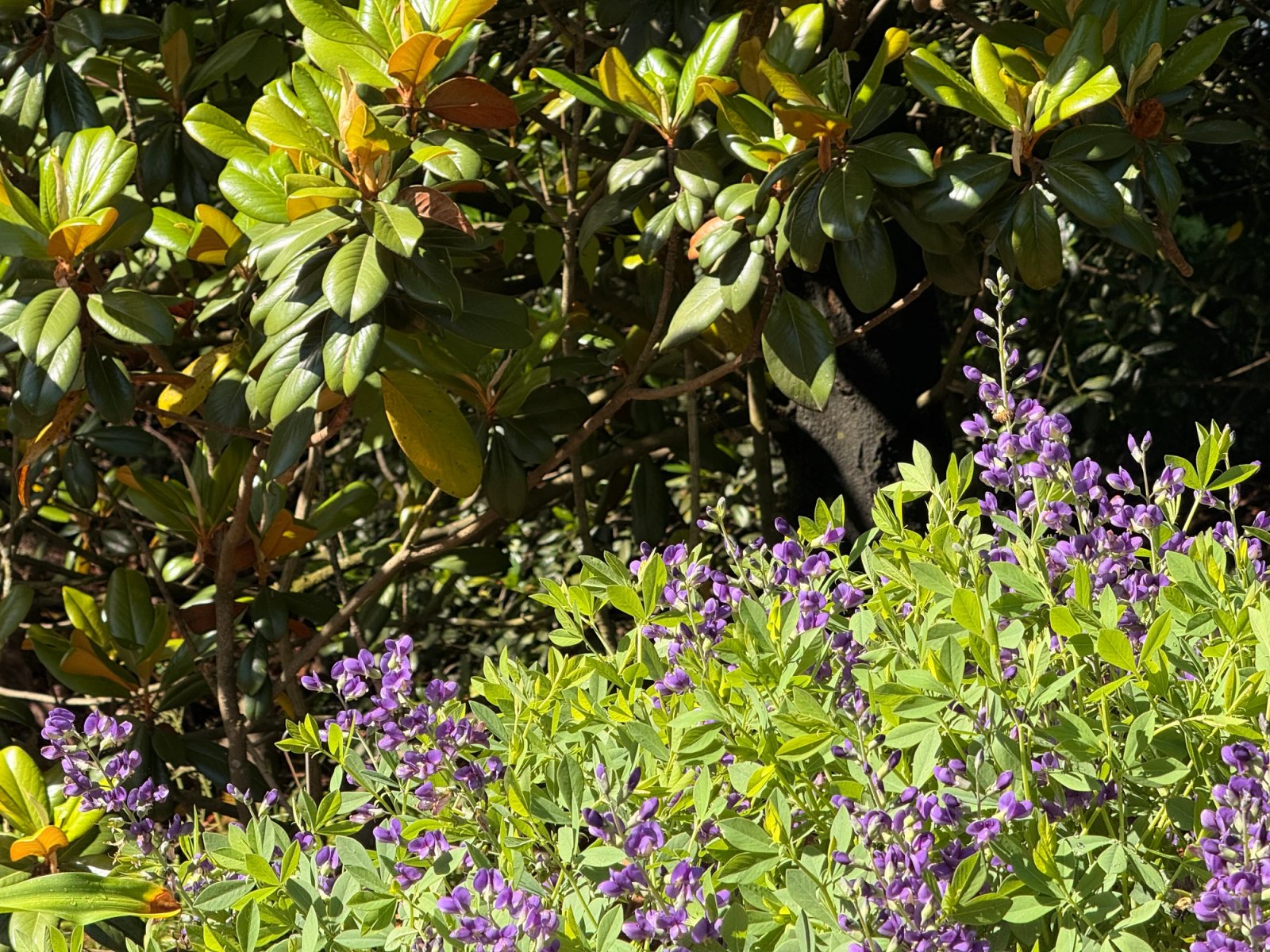
Evergreen native shrubs (winter structure + pollinator value)
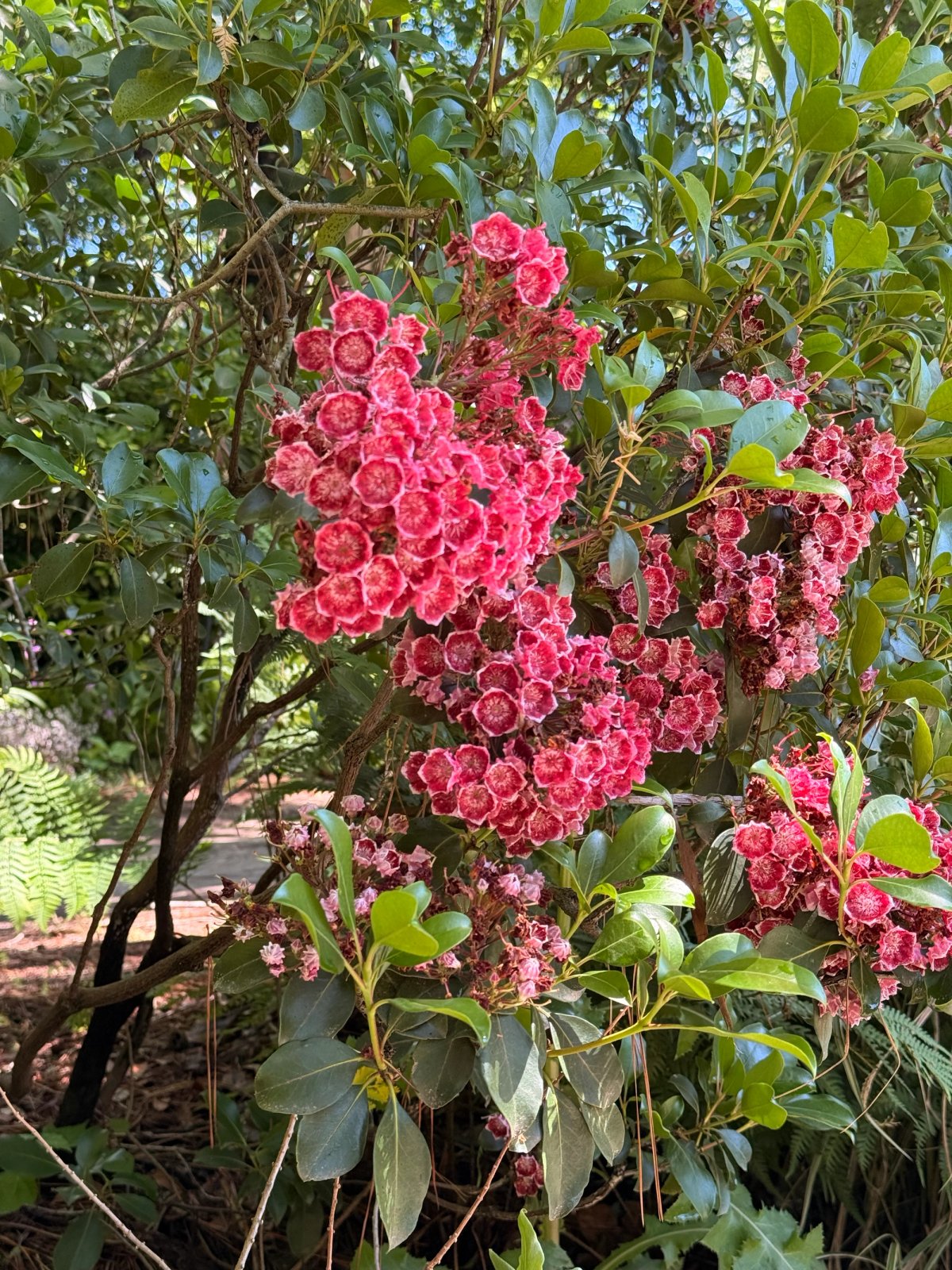
Mountain Laurel (Kalmia latifolia)
The native evergreen showstopper. Intricate cup-shaped flowers in pink, white, and bicolor bloom in late spring, attracting bees and butterflies. Broadleaf evergreen foliage holds through winter, providing year-round mass and green structure. Grows 5–15 feet depending on variety - compact cultivars like 'Elf' (3–4 feet) and 'Minuet' (3–4 feet) fit smaller gardens. Thrives in partial shade with acidic, well-drained soil. Native from Maine to Florida, zones 4–9. One of the most beautiful native shrubs you can grow - and almost every nursery in the Southeast carries it.
Catawba Rhododendron (Rhododendron catawbiense)
Large rounded clusters of lilac-purple flowers in mid to late spring - each cluster holds up to 20 individual blooms. Attracts hummingbirds, butterflies, and native bees including specialist species. Broadleaf evergreen, 6–10 feet tall and wide. Extremely long-lived - specimens can persist 75–100 years. Native to the southeastern Appalachians but widely adaptable across zones 4–8. Thrives in partial shade with acidic soil. Provides winter cover that overwintering birds and insects rely on. This is the classic rhododendron of Blue Ridge Parkway fame - and it belongs in pollinator gardens, not just woodland walks.
Rosebay Rhododendron (Rhododendron maximum)
The larger, shade-loving cousin of Catawba - grows 5–15 feet tall with pinkish-white flowers in early to mid-summer (slightly later bloom than Catawba, extending the nectar season). Evergreen, provides winter cover for wildlife. Best in deep shade to partial shade - this is your solution for pollinator habitat in the darkest parts of the garden. Native to the eastern US, zones 3–7.
Inkberry Holly (Ilex glabra)
A compact evergreen native with small white flowers in spring that support bees, and black berries in fall that feed birds. Grows 4–8 feet depending on cultivar - 'Shamrock' and 'Compacta' stay 3–4 feet. Tolerates wet soil, shade, and poor drainage - fills the spots where other evergreens fail. Zones 4–9. Widely available at nurseries.
Sweetbay Magnolia (Magnolia virginiana)
Semi-evergreen to evergreen depending on your zone (fully evergreen in Zone 8+, semi-evergreen in Zone 7). Fragrant white flowers from late spring through summer attract beetles, bees, and butterflies. Red seed pods in fall feed birds. Elegant narrow form, 10–20 feet. Native, adaptable, and underused. Zones 5–10.
Plant list
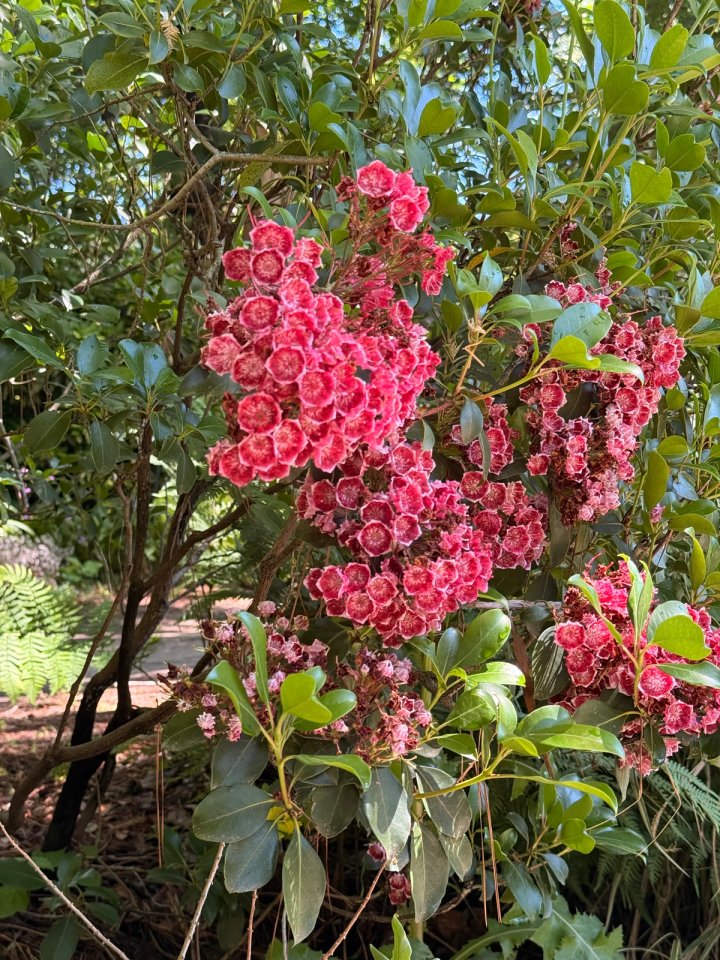
Mountain laurel
Part Shade • Part Sun • Shade
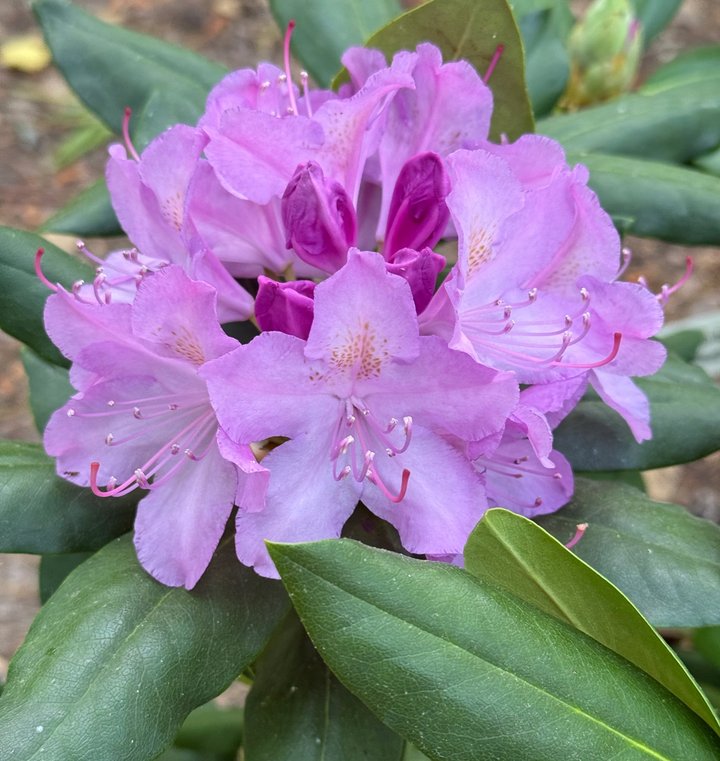
Rhododendron
Part Shade • Part Sun • Shade
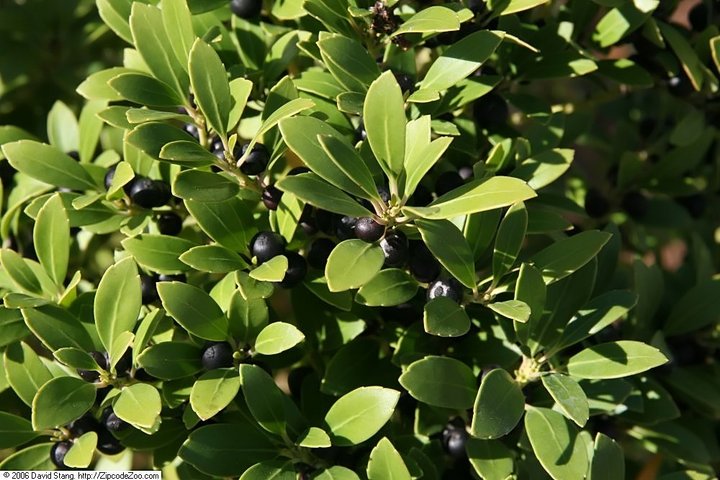
Inkberry holly
Full Sun • Part Sun
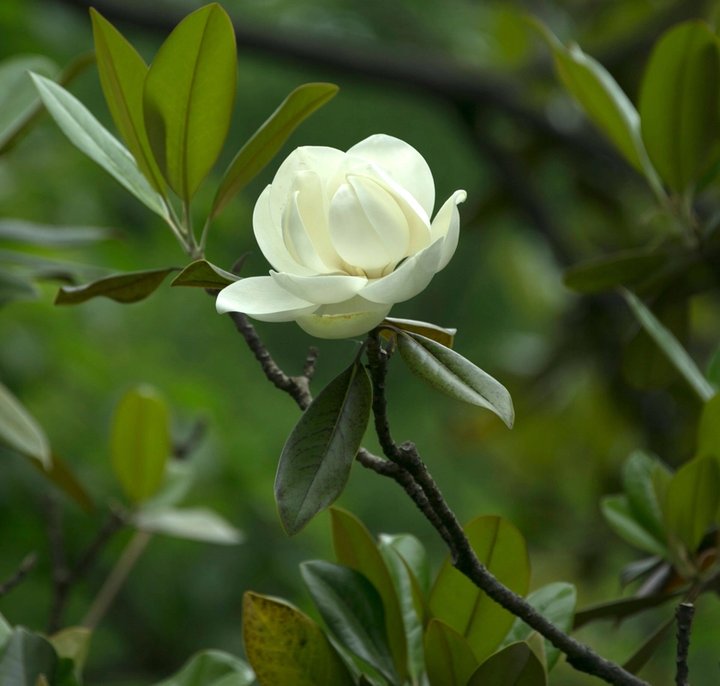
Sweetbay magnolia
Full Sun • Part Shade • Part Sun
Deciduous native shrubs (seasonal structure + high pollinator value)
Winterberry Holly (Ilex verticillata)
The plant that makes your pollinator garden beautiful in winter. Deciduous - drops its leaves to reveal branches covered in brilliant red berries that persist through January. Female plants need a male pollinator nearby, and the spring flowers are a critical early food source for native bees. Grows 6–10 feet. Tolerates wet soil. Zones 3–9. The red berries against bare winter branches and snow are one of the most striking native plant displays you'll see.
Oakleaf Hydrangea (Hydrangea quercifolia)
One of my favorites! Large white flower panicles in summer age to pink and dried-brown through fall. Dramatic oak-shaped leaves turn burgundy-red in autumn. Peeling cinnamon bark provides winter interest. Attracts bees and butterflies in bloom. Native to the southeastern US, zones 5–9. Shade-tolerant.
Spicebush (Lindera benzoin)
One of the earliest-blooming native shrubs - clusters of tiny yellow flowers appear in March before leaves emerge, providing crucial early food for bees and other pollinators. The berries are a primary food source for migrating birds (especially wood thrush). Fall color is a clear, beautiful yellow. It is also the host plant for the spicebush swallowtail butterfly - no spicebush, no spicebush swallowtails. Grows 6–12 feet, part shade to full shade. Zones 4–9.
Virginia Sweetspire (Itea virginica)
Graceful arching shrub with fragrant white flower spikes in early summer - a pollinator magnet. Brilliant red-purple fall foliage that's among the best of any native shrub. Compact cultivars like 'Henry's Garnet' stay 3–5 feet. Tolerates wet soil and shade. Zones 5–9. Very easy to grow and widely available.
Buttonbush (Cephalanthus occidentalis)
Spherical white flower clusters in summer look like pincushions and are absolutely covered with butterflies, bees, and other pollinators - one of the highest-nectar-producing native shrubs. Grows 5–12 feet. Loves wet soil and will even grow in standing water. Zones 5–11. If you have a moist area, this is the plant.
Plant list
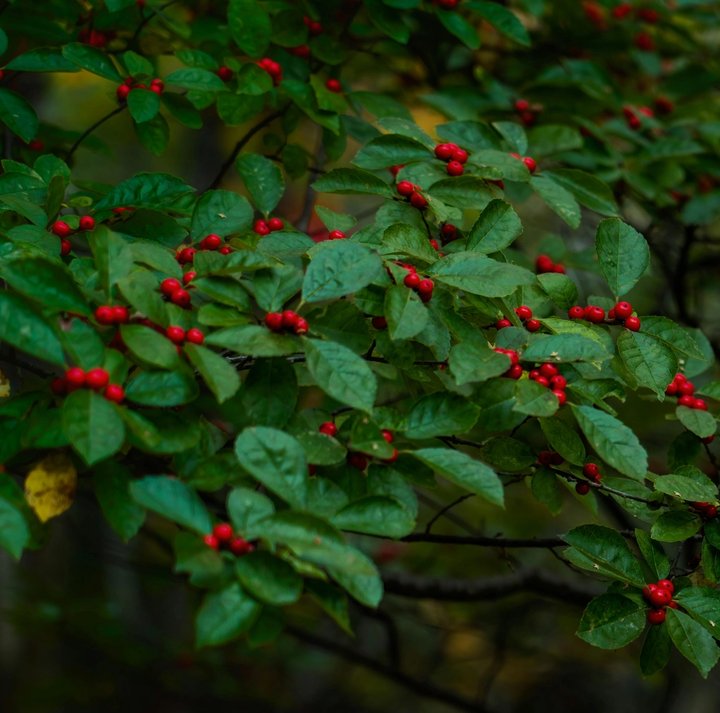
Winterberry Holly (Ilex verticillata)
Full Sun • Part Shade • Part Sun
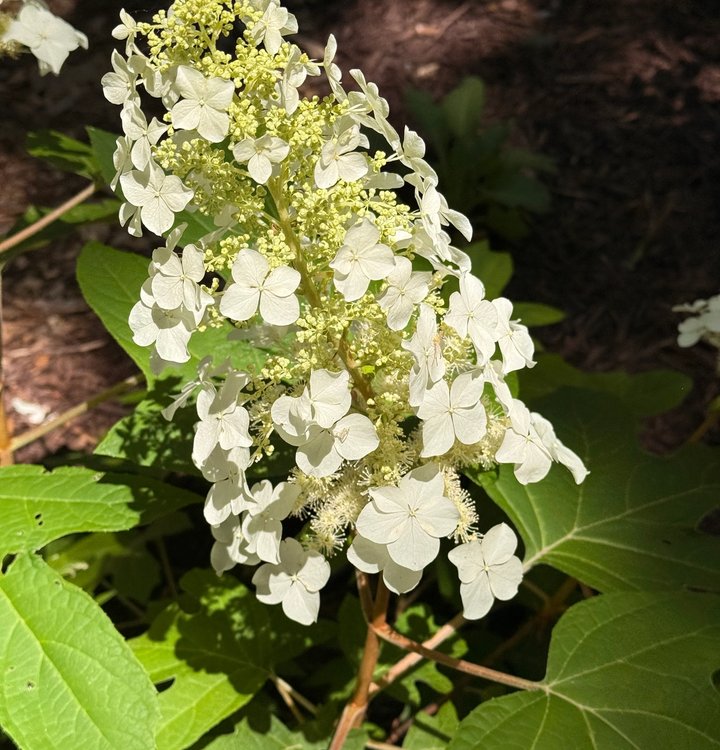
Oakleaf hydrangea
Part Shade • Part Sun • Shade
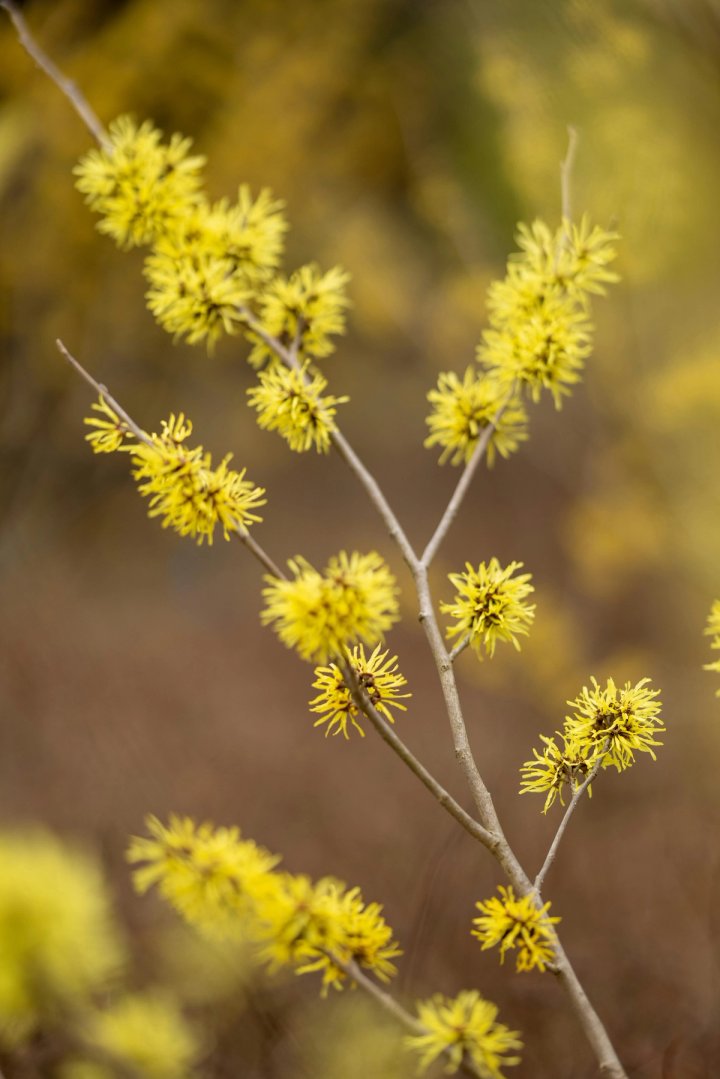
Spicebush (Lindera benzoin)
Part Shade • Shade
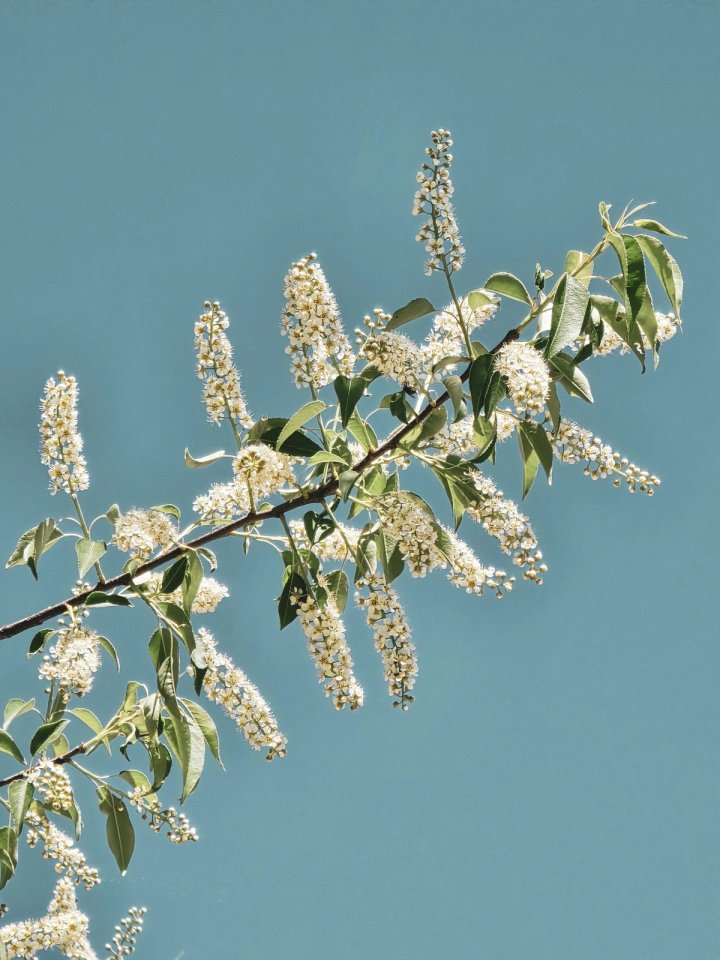
Virginia Sweetspire (Itea virginica)
Full Sun • Part Shade • Part Sun • Shade
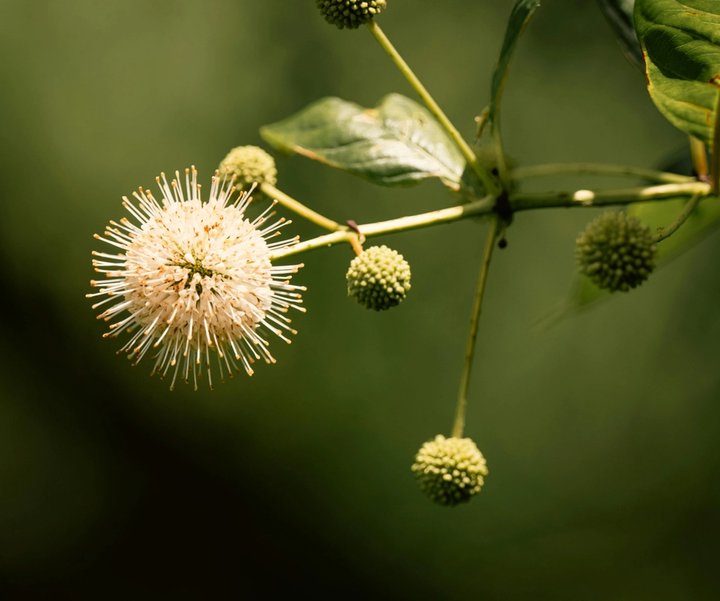
Buttonbush (Cephalanthus occidentalis)
Full Sun • Part Sun
Native trees that support pollinators (canopy layer)
Eastern Redbud (Cercis canadensis)
One of the most important early-season pollinator trees.
Serviceberry (Amelanchier canadensis)
Small tree or large shrub, 15–25 feet. White flowers in very early spring (before most things bloom) feed bees and early butterflies. Edible blue-purple berries in June attract birds. Beautiful fall color. Native, adaptable, zones 4–8. Multi-stem forms work beautifully as a specimen or as the "focal tree" in a pollinator garden.
Black Cherry (Prunus serotina)
A larval host plant for hundreds of moth and butterfly species - it's one of the most ecologically productive trees you can plant. White flower racemes in spring feed bees. Fruit feeds birds. Grows 35–60 feet. This is a background tree, not a garden tree - plant it at the edge of your property where it can grow large and support the entire food web.
American Beautyberry (Callicarpa americana)
Not a tree but a large arching shrub (3–6 feet) with stunning magenta-purple berry clusters in fall that wrap around the stems. Flowers in summer support native bees. The berry display is unlike anything else in the native plant world - vivid purple clusters that last through November. Zones 6–10.
Once you have the right plants, the difference between a “wild patch” and a designed pollinator garden comes down to how you arrange them.
Plant list
Eastern Redbud
Full Sun • Part Shade • Part Sun
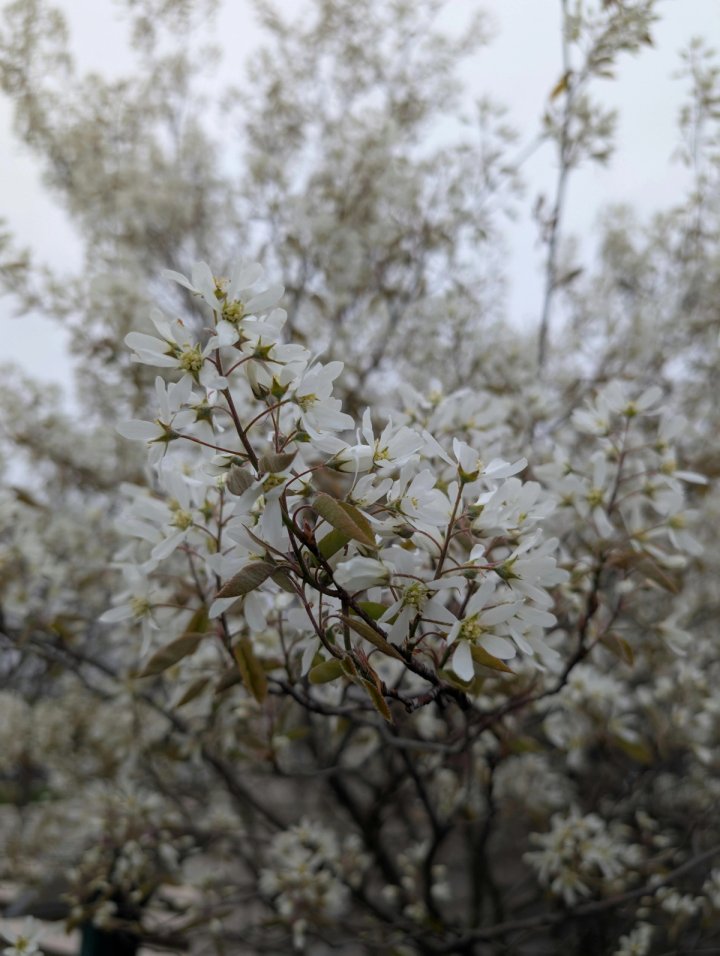
Serviceberry (Amelanchier canadensis)
Full Sun • Part Shade • Part Sun
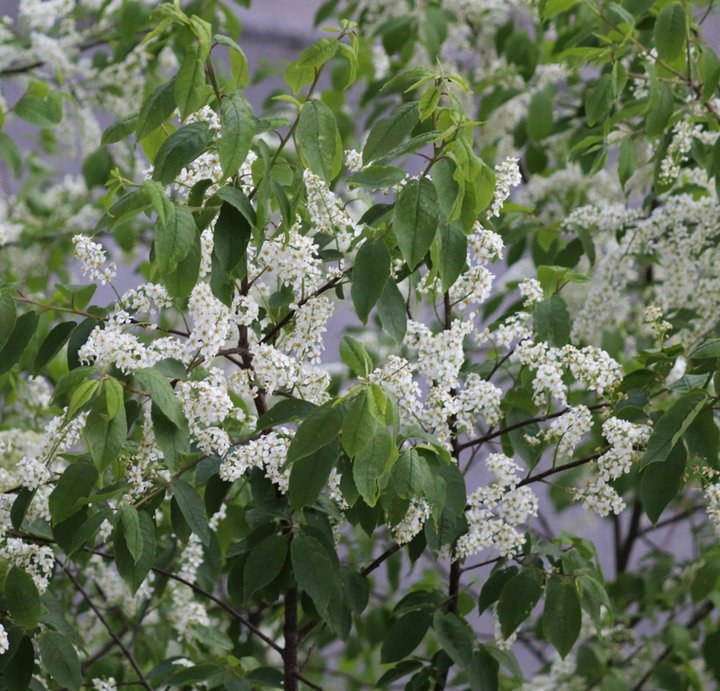
Black Cherry (Prunus serotina)
Full Sun
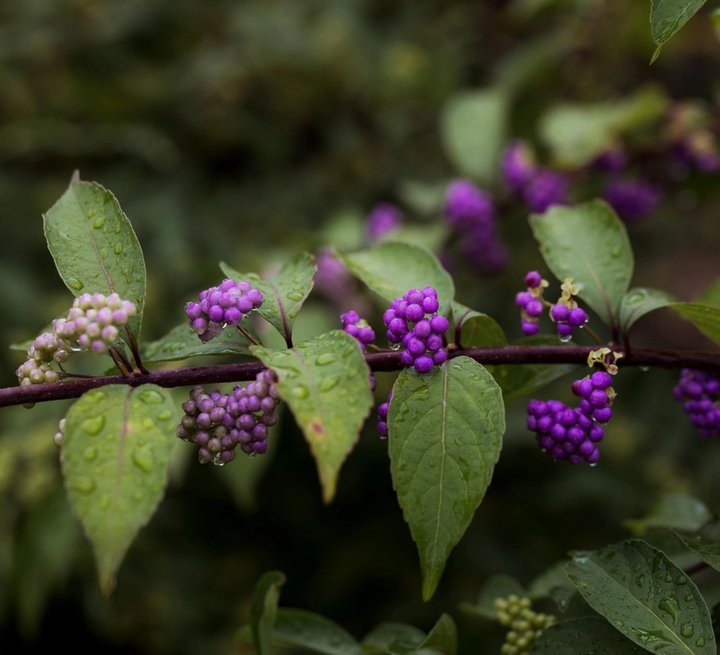
American Beautyberry (Callicarpa americana)
Full Sun • Part Shade • Part Sun
Design a Pollinator Garden Like a Designer (Not Just a Plant List)
A designed pollinator bed uses the same five principles as any strong garden: height, structure, color, repetition, and bloom sequence. For the complete method, see How to Design a Garden Bed Like a Designer.
(This is exactly how The Complete Pollinator Border Plan is built — the $9 printable version of this method for a 10×6 ft NC bed.)
Designing the bed - not just a plant list
A successful pollinator garden isn't just the right plants - it's the right arrangement. Here are the design principles:
Bloom sequence. Plan for something blooming in every month from March through October. The biggest mistake in pollinator gardens is planting things that all bloom at the same time, leaving the garden flowerless for months.
Grouping. Plant each species in groups of 3-7. A single echinacea plant is a rest stop; a drift of seven is a destination. Pollinators are more likely to visit - and stay longer in - a concentrated patch of flowers than scattered individual plants.
Layering. Use the same back-middle-front principle as any garden bed. Joe Pye weed and goldenrod at the back (tall), echinacea and monarda in the middle, columbine and golden ragwort at the front.
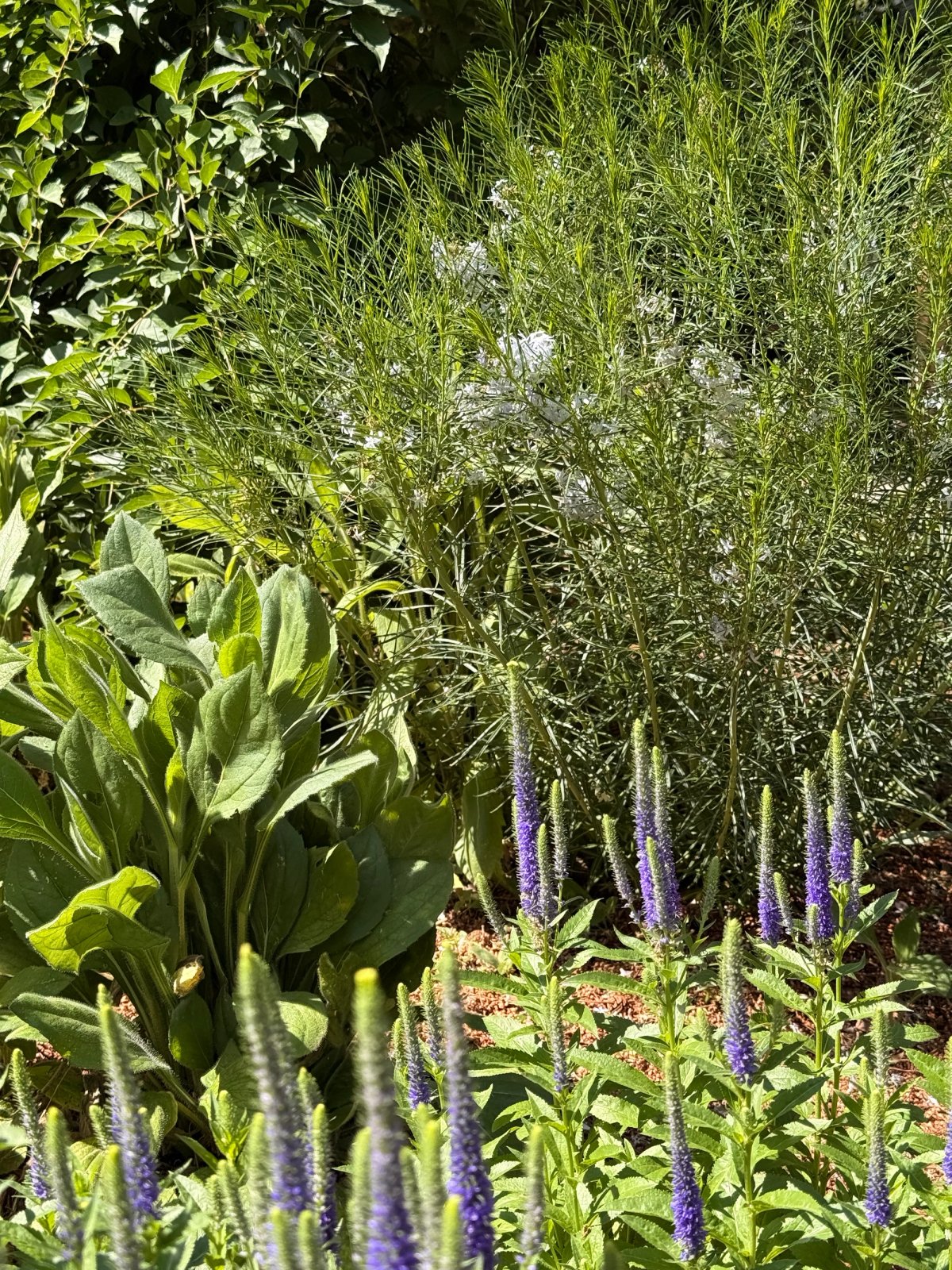
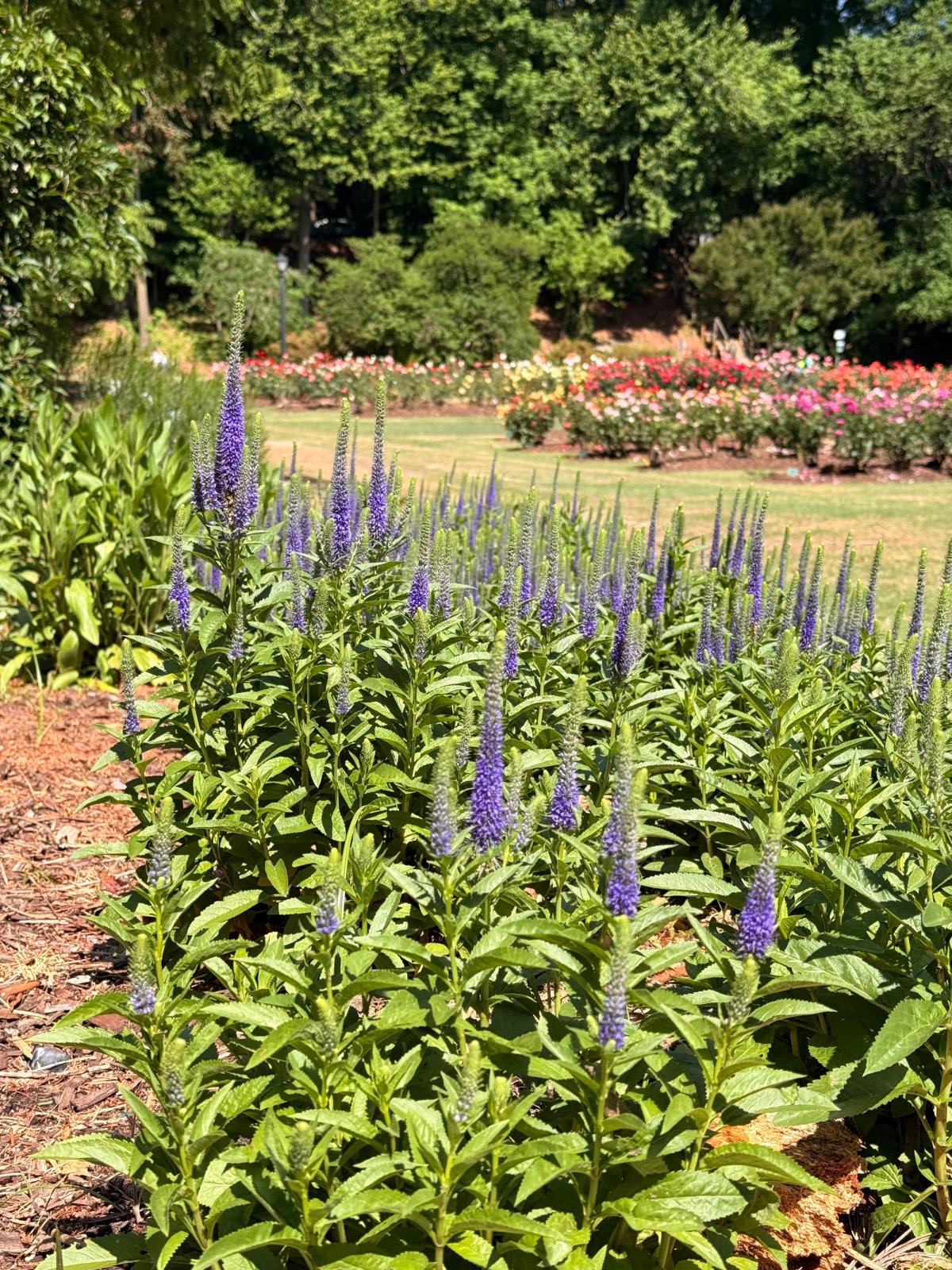
Sun. Most pollinator plants need full sun - at least 6 hours. Choose a sunny spot. The few shade-tolerant options (columbine, Virginia bluebells, golden ragwort) can go in partly shaded edges.
Leave the mess. Pollinator gardens should not be tidied in fall. Leave seed heads standing, leave leaf litter in place, and don't cut stems to the ground until late spring. Many native bees overwinter in hollow stems. Butterfly chrysalises hang from dried plant material. A "messy" winter garden is a living habitat.
Planning this on paper is hard - especially when plants change throughout the year. I use BloomMap to place plants directly on a garden photo and track what blooms when.
Color in a Pollinator Garden - Design with Intention
Color is where a native bed most often tips into looking wild. The short rule: pick one color strategy, plant each color in drifts rather than scattered dots, and let silver foliage and a little white do the framing. For the full method - the three palettes that work and how to hold a tone - see How to Design a Garden Bed Like a Designer.
A sample pollinator bed (full sun, 6 feet deep, 12 feet wide)
Sample Bed 1:
Back row:
- 1 Joe Pye weed (center-back for height) +
- 3 goldenrod 'Fireworks' (one side) +
- 3 New England aster (other side)
Middle row:
- 5 echinacea +
- 5 black-eyed Susan +
- 3 wild bergamot +
- 3 blazing star (alternate groups)
Front row:
- 5 butterfly milkweed (orange accent) +
- 3 wild columbine (for spring) +
- 5 aromatic aster (for fall)
Bulbs between everything: Virginia bluebells (tuck them between echinacea and Rudbeckia - they'll bloom and vanish before the summer plants need the space)
This bed blooms from March (bluebells, columbine, redbud nearby) through October (goldenrod, asters). At its peak in July and August, it will be alive with monarchs, swallowtails, bumblebees, and hummingbirds.
Sample Bed 2:
Cool Palette Pollinator Border (full sun, 8 feet deep, 15 feet wide)
Structural backdrop (Layer 1):
- 1 mountain laurel (center-back, evergreen, pink-white spring flowers) flanked by
- 1 winterberry holly on each side (deciduous, red winter berries)
Tall perennials (Layer 2):
- 3 Joe Pye weed (dusty pink, center) +
- 3 New England aster (deep purple, sides)
Mid perennials (Layer 3):
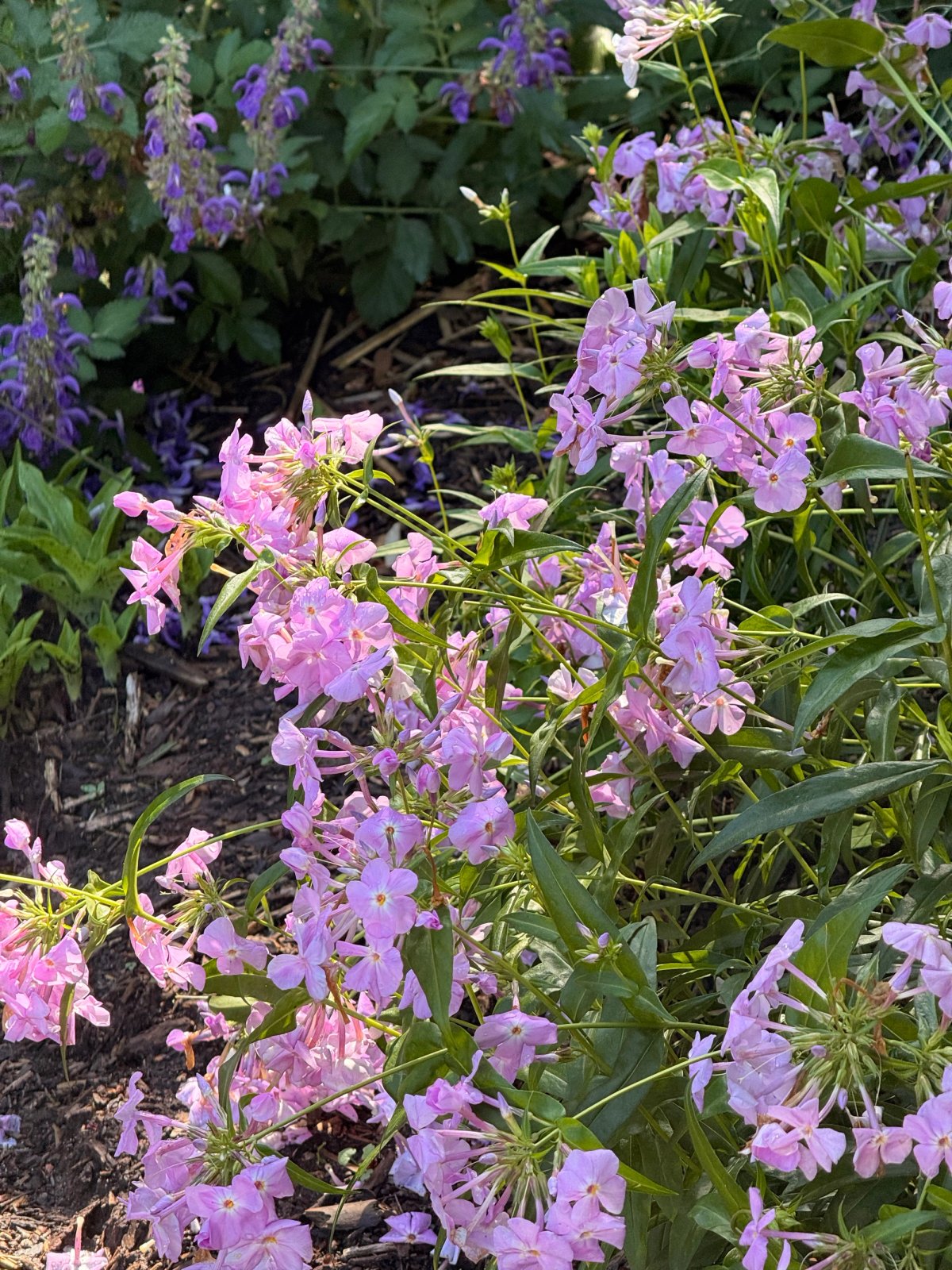
- 5 echinacea (pink-purple) +
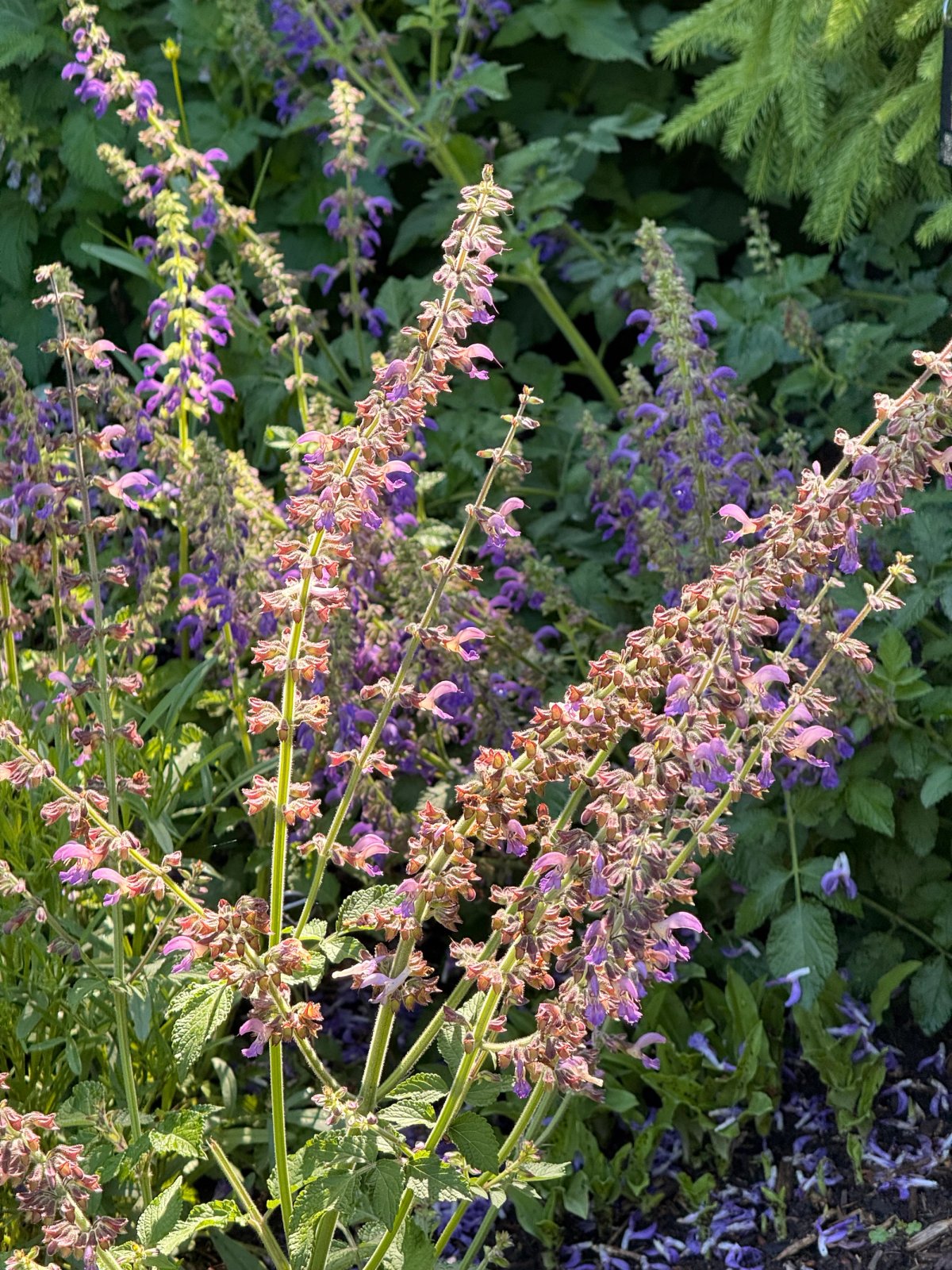
- 5 wild bergamot (lavender) +
- 3 blazing star (purple spikes)
Front edge (Layer 4):
- 5 aromatic aster (low blue-purple mound) +
- 7 golden ragwort (early spring yellow, evergreen groundcover filler between other plants)
Grasses woven through:
3 little bluestem (blue-green summer, copper-red fall)
Color range: purple → pink → lavender → blue.
No orange, no yellow (except the early spring ragwort which finishes before the summer purples begin). The palette is cohesive, calm, and reads as "designed."
Sample Bed 3:
Shade-Edge Pollinator Garden (part shade, 6 feet deep, 10 feet wide)
Structure:
- 1 Catawba rhododendron (center-back, evergreen, purple spring flowers) +
- 1 spicebush (one end, earliest spring bloom, fall yellow)
Mid layer:
- 3 wild columbine (red-yellow spring) +
- 5 wild blue phlox (blue spring) +
- 3 Virginia bluebells (blue early spring, dormant by summer)
Summer to fall:
- 3 white wood aster (white fall) +
- 5 blue mistflower (blue-purple fall)
Ground layer:
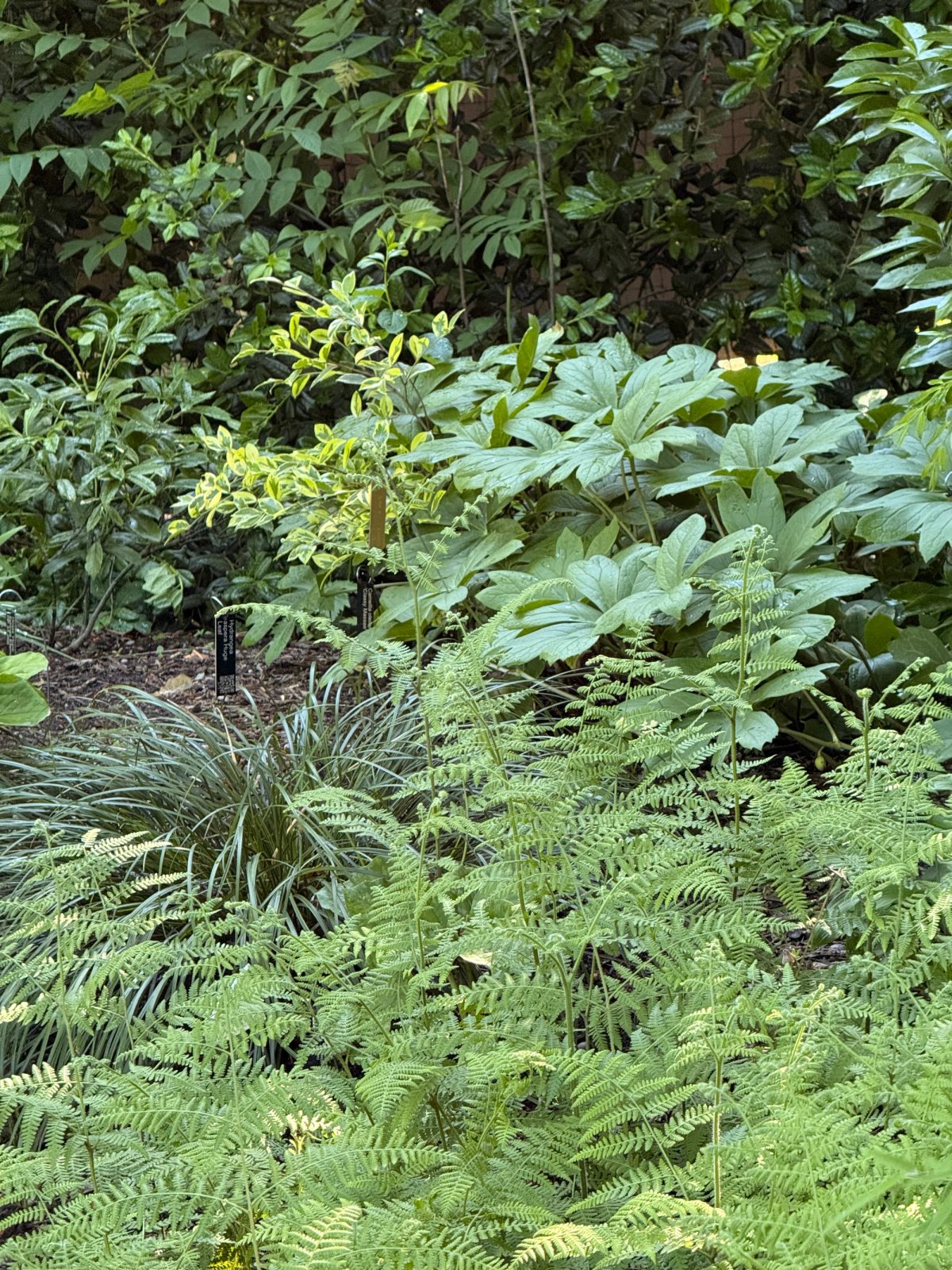
- 7 Christmas fern (evergreen, texture) +
- 5 wild ginger (groundcover, heart-shaped leaves)
This bed proves that a pollinator garden can work in shade - most guides assume full sun only. The rhododendron and ferns provide year-round green structure while the perennials deliver three-season bloom for pollinators.
Complete planting plan
Want a bed like this, fully built?
The sample beds above are sketches — a plan is what you take to the nursery. The Complete Pollinator Border Plan turns this whole method into a finished 10×6 ft NC border: every plant placed on a scaled 1-ft grid, exact counts for three bed shapes, a shopping list with six NC nurseries and real prices, planting-day steps, and a three-year care calendar so you know what "working" looks like in year one.
$14 · Launch priceInstant PDF · 14-day money-back guarantee
Adapting This Garden Beyond NC - Zone Guide
The plants in this guide are native to the southeastern United States, but most of them grow well across a much wider range. Here is how to adapt the planting for your zone.
Zones 3–5 (Northeast, Upper Midwest, Mountain West):
Most of the perennials in this guide - echinacea, black-eyed Susan, goldenrod, wild bergamot, blazing star, New England aster, columbine - are hardy through Zone 3. Substitute butterfly milkweed (Asclepias tuberosa) for common milkweed (Asclepias syriaca) if you prefer a clumping species. For shrub structure, use winterberry holly, serviceberry, spicebush, and Virginia sweetspire - all hardy to Zone 4–5. Mountain laurel and Catawba rhododendron are hardy to Zone 4. Joe Pye weed thrives in zones 4–8.
Zones 6–7 (Mid-Atlantic, Piedmont, Southern Appalachians):
The sweet spot - almost every plant in this guide is a direct fit. This is the core range for all the shrubs listed (mountain laurel, rhododendron, spicebush, winterberry, oakleaf hydrangea, inkberry holly, Virginia sweetspire). Add American beautyberry (Zone 6+) for fall drama.
Zones 8–9 (Deep South, Gulf Coast, Coastal Southeast):
Most perennials in this guide still perform in Zone 8, though some (like New England aster) prefer cooler nights. Excellent additions for warmer zones: blue star (Amsonia), Southern sunflower (Helianthus angustifolius), swamp sunflower, muhly grass (stunning pink plumes in fall), and coral honeysuckle vine (hummingbird magnet). Sweetbay magnolia becomes fully evergreen in Zone 8+. Inkberry holly and buttonbush thrive in the heat and humidity.
Zones 9–10 (Florida, Gulf Coast, California):
Shift toward species adapted to extreme heat and sandy or alkaline soils. Native options: coontie (a cycad, the host plant for atala butterflies in Florida), firebush (Hamelia patens), beautyberry, coral bean (Erythrina herbacea), passionflower vine (host for Gulf fritillary butterflies), and native milkweeds adapted to your region. Consult your state's native plant society for locally adapted species lists.
Tracking your pollinator garden
A pollinator garden changes dramatically from month to month - more so than almost any other garden style. What blooms in June is invisible in October. What dominates in September hasn't emerged yet in April.
This is exactly where tracking becomes useful - what blooms in June disappears by October…
Photographing your pollinator bed once a month and recording what's blooming gives you invaluable data for next year's adjustments. Did the milkweed finish too early? Add more late-season asters. Did the goldenrod flop? Stake it or try a shorter variety. Year-over-year tracking turns a good pollinator garden into an exceptional one.
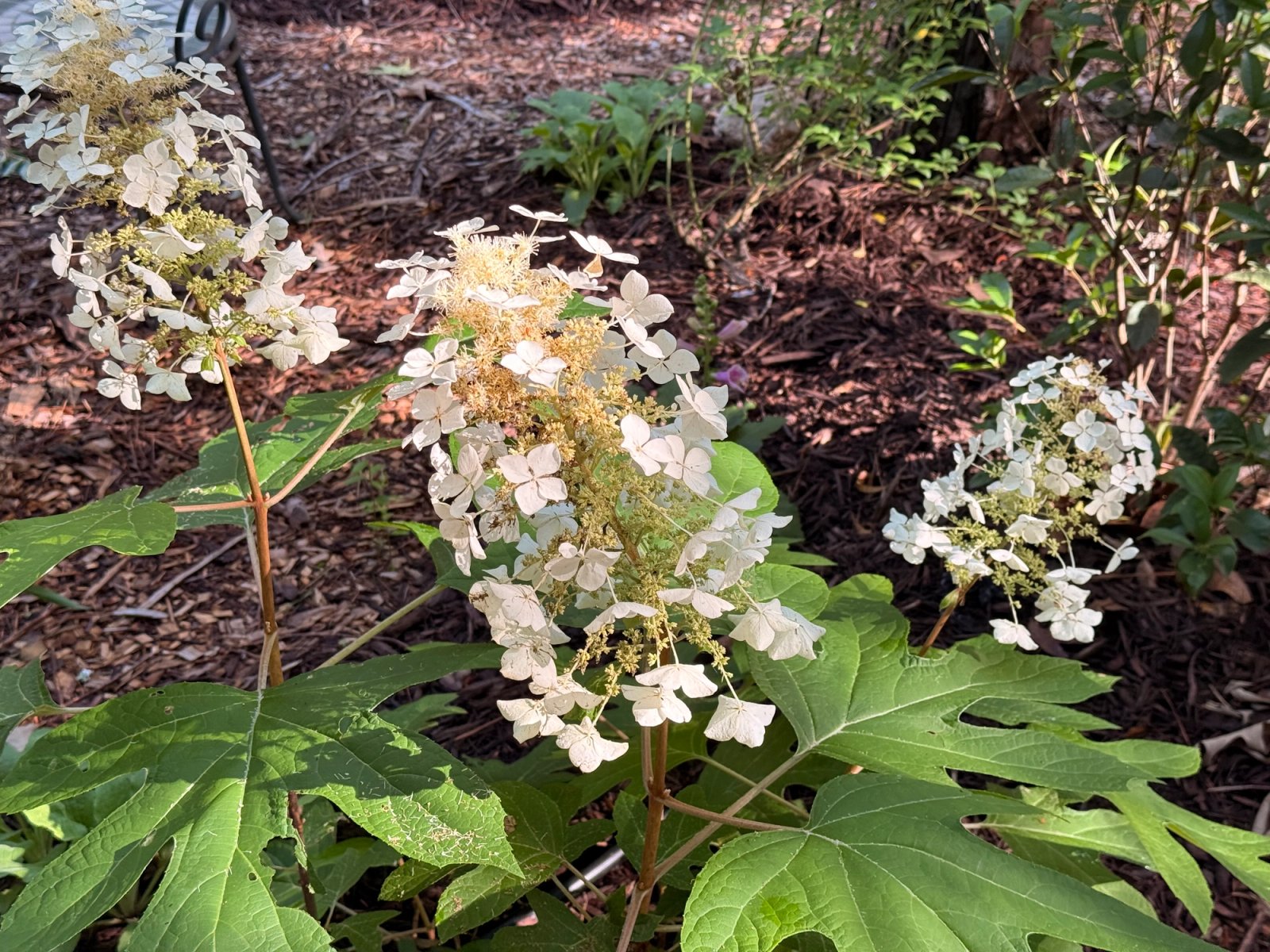
A pollinator garden isn't just for the butterflies and bees. It's one of the most rewarding things you can grow - because every time you walk outside and see a monarch on your milkweed or a bumblebee buried in your monarda, you know the garden is doing exactly what it was designed to do.
A pollinator garden changes constantly. Mapping what you planted and when it blooms makes it much easier to improve each year.
Tags
Related ideas
More to explore

Garden design
How to Design a Garden Bed Like a Designer: The 5 Principles That Make It Look Intentional
The difference between a garden that looks designed and one that looks like a plant sale isn't the plants - it's five principles. Layering, structure, color, repetition, and bloom sequence, explained.
July 21, 2026

Garden design
How I Track My Garden Year by Year (Without Guessing Every Spring)
If you forget what you planted every spring, this simple visual system helps you track your garden year by year - without notes or guesswork.
May 6, 2026

Foundation Planting Guide - How to Prepare, Design, and Plant the Beds Around Your House
Here's how to do it right, starting with the ground work that most guides skip entirely.
April 28, 2026