

Soft Pink + Purple Garden Combo - How to Design a Romantic Color Palette
Garden design
April 9, 2026
Pink and purple is one of the most naturally beautiful color combinations in the garden - and one of the easiest to get right. These two colors sit next to each other on the color wheel, so most shades blend effortlessly without clashing. But there’s a difference between simply planting pink and purple flowers and creating a garden that feels cohesive and intentional - something closer to a soft watercolor than a random mix. The key is in the details: controlling your tones so they don’t compete, layering textures so the planting feels rich rather than flat, and knowing when to introduce a third color to give the composition space to breathe.
For the full design framework behind this color palette, start with How to Design a Garden Bed Like a Designer, the parent guide to layering, structure, color, repetition, and bloom sequence.
Choosing your tone
Pink and purple each come in a wide spectrum, and the tone you choose sets the mood entirely.
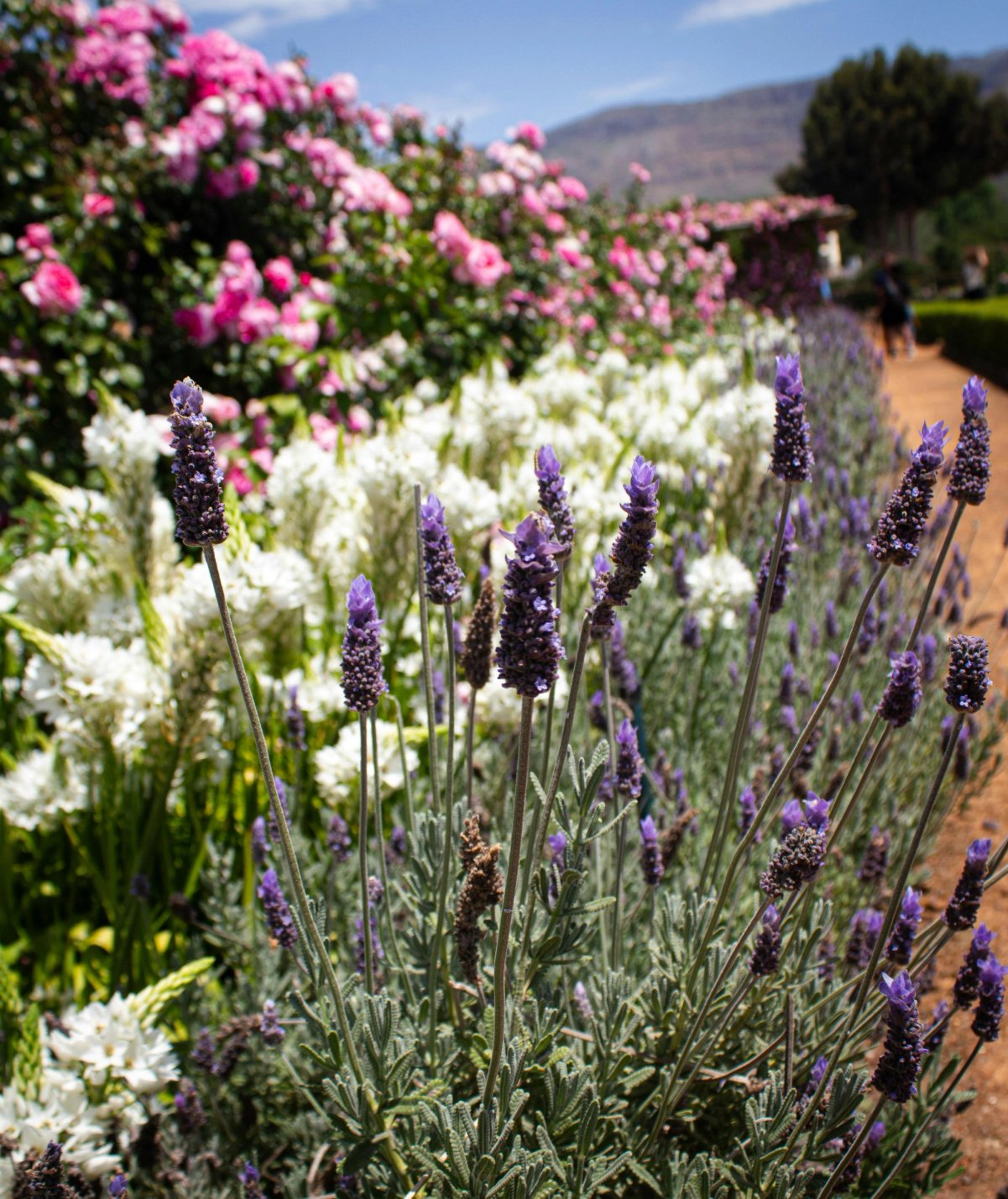
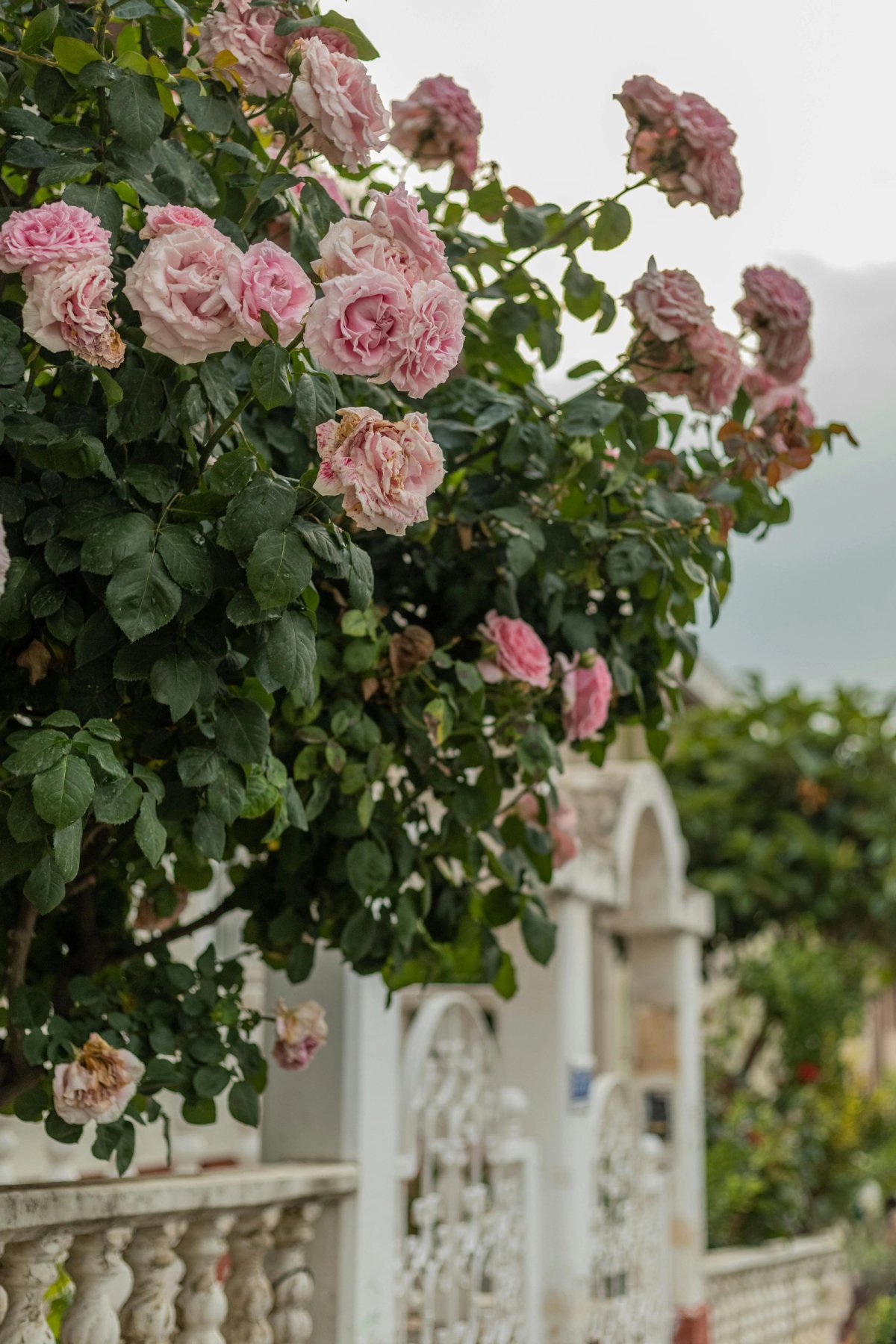
Soft and romantic. Pale blush pink, lavender, and dusty mauve. This palette feels like an English cottage garden or a Provençal farmhouse. It pairs beautifully with silver foliage (lamb's ear, artemisia, dusty miller) and white flowers as accents. Think peonies, old garden roses, and lavender fields.
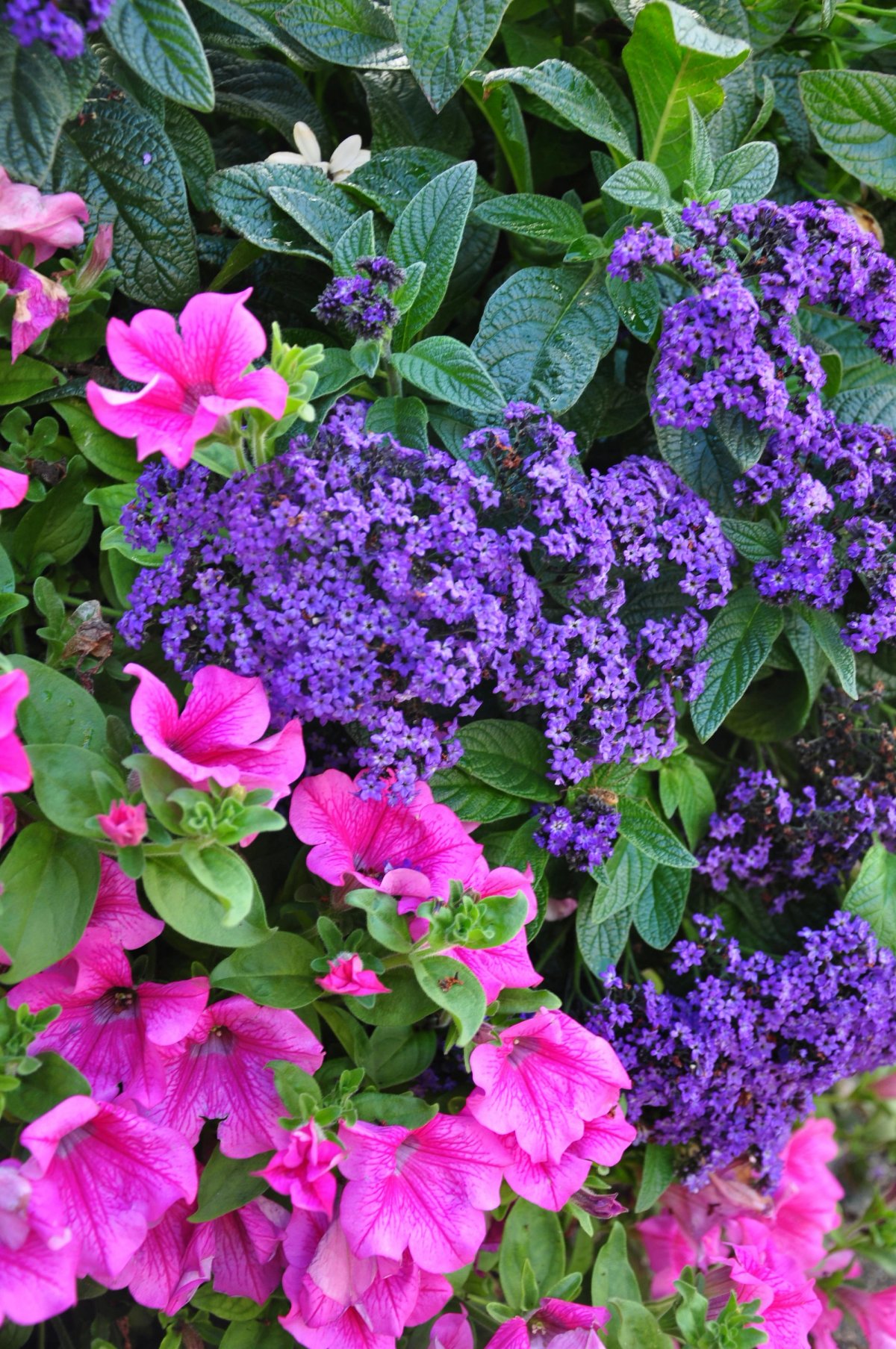
Bold and vibrant. Hot pink, magenta, and deep violet. This palette has energy and drama. It works well in contemporary gardens or mixed borders where you want statement color. Dahlias, zinnias, salvia, and alliums deliver this palette with punch.
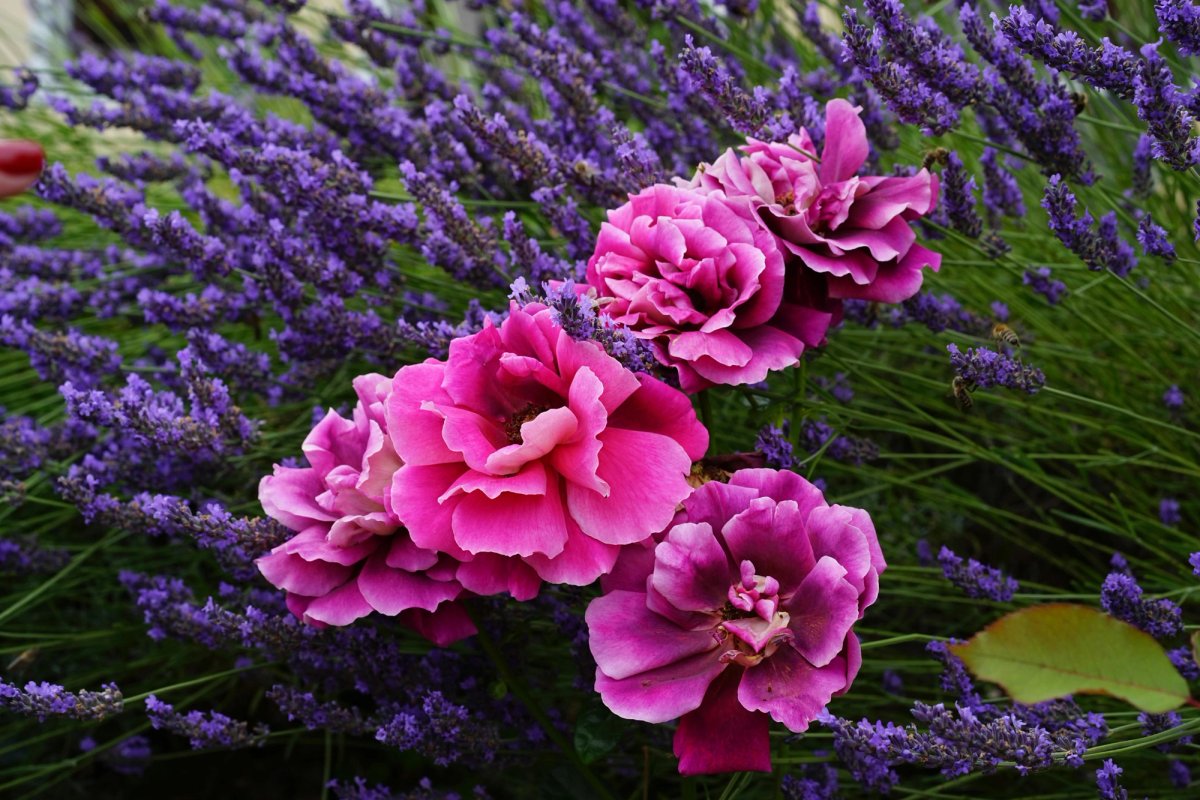
Moody and dark. Burgundy-pink, deep plum, and near-black purple. This is the jewel-tone version - sophisticated and unexpected. Dark hellebores, purple coneflower, 'Black Lace' elderberry, and 'Midnight Marvel' hibiscus belong here.
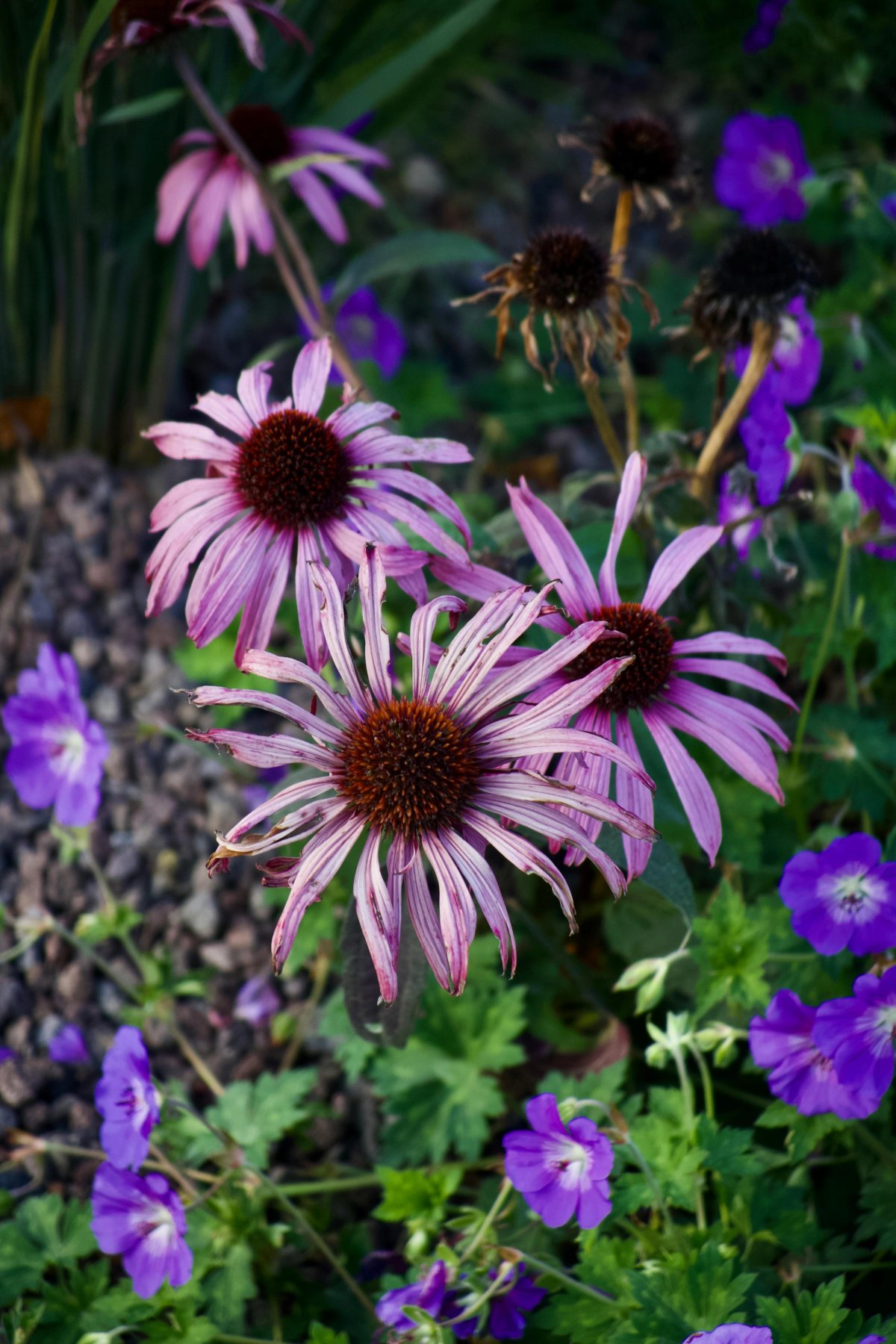
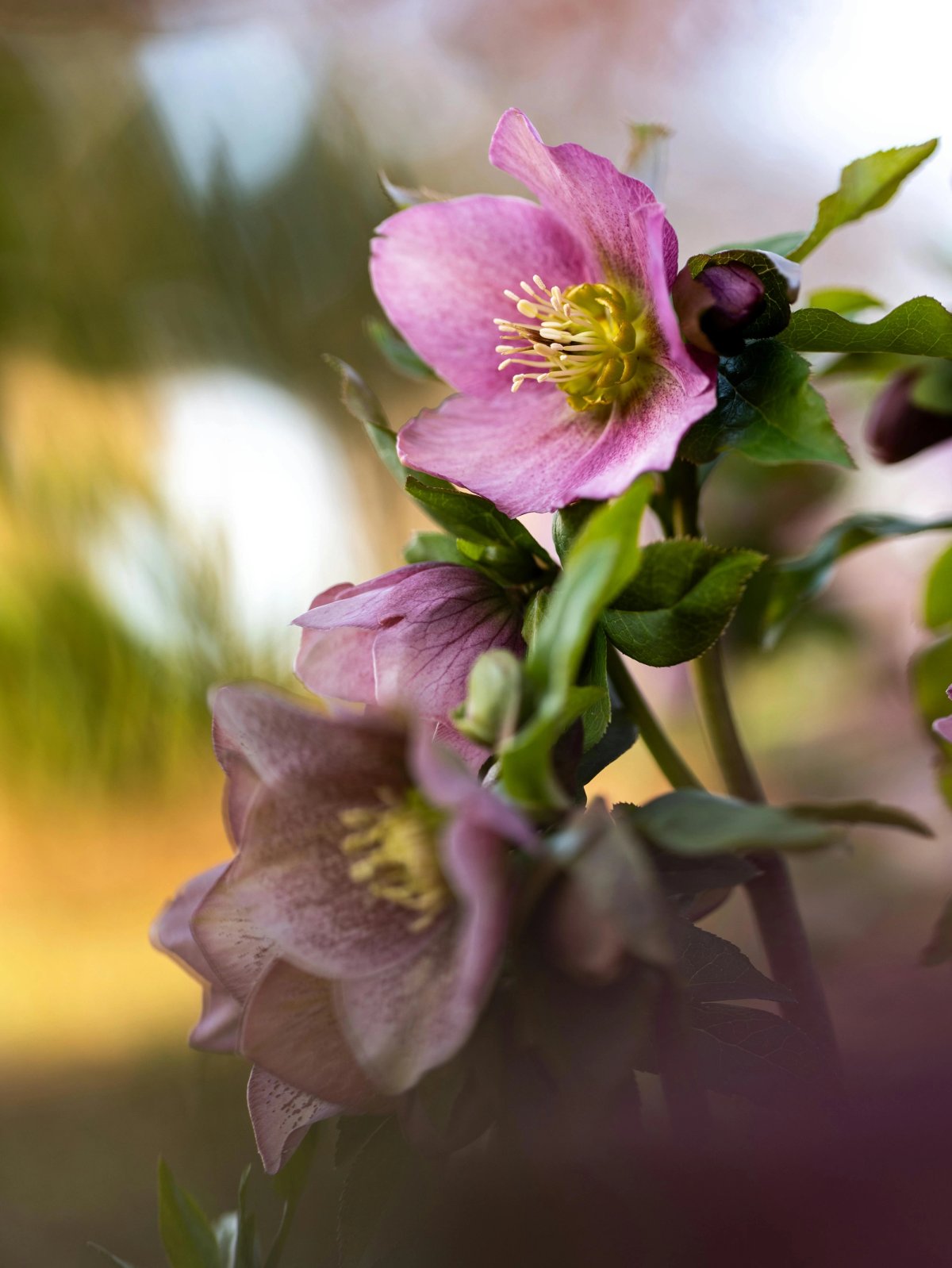
Pick one of these three tones as your baseline and resist the urge to mix them. A garden that jumps between soft lavender and hot magenta loses its coherence.
The supporting cast
An all-pink-and-purple garden can feel heavy or one-note without relief colors and foliage texture.
White. A few white flowers scattered through the bed lighten the mood and give the eye a place to rest. White gaura, white candytuft, or white echinacea all work. Use white sparingly - it's a palate cleanser, not a main ingredient.
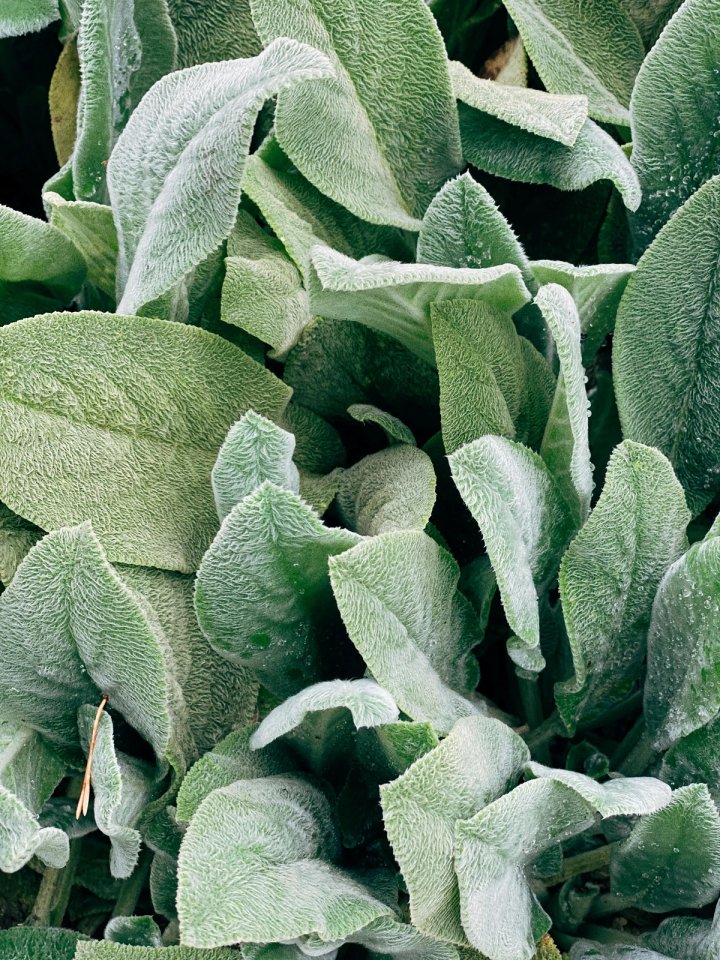
Silver and gray foliage. This is the secret weapon of pink-purple gardens. Lamb's ear, Russian sage's silvery stems, lavender's gray-green leaves, and artemisia 'Silver Mound' all cool the palette down and add textural contrast. Silver foliage is the frame that makes the flower colors sing.
Chartreuse. For a bolder approach, chartreuse foliage (like golden creeping Jenny or hakone grass) creates an electric contrast against purple. It's a more modern look - less cottage, more designed.
Plant list
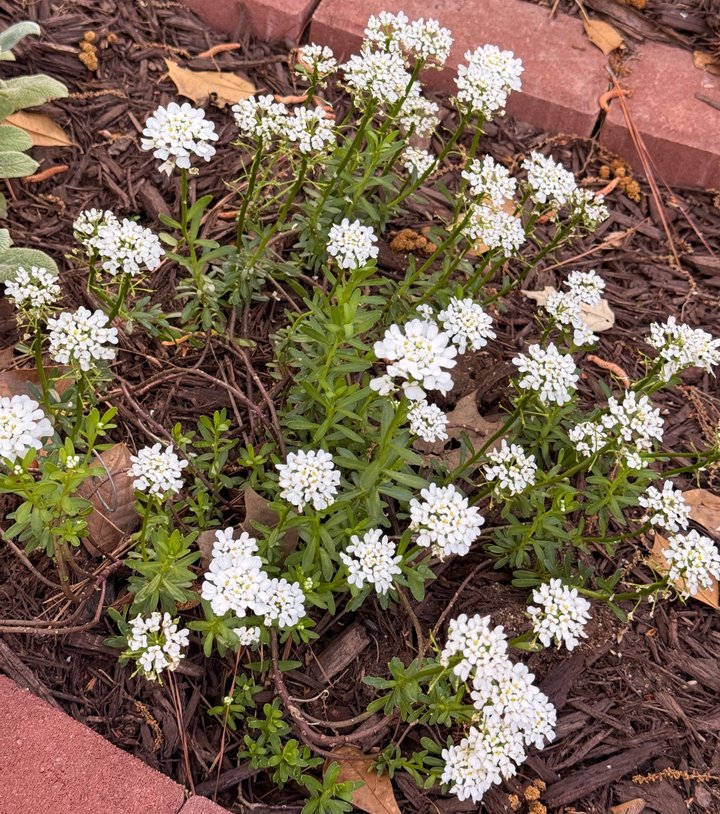
Candytuft
Full Sun • Part Sun
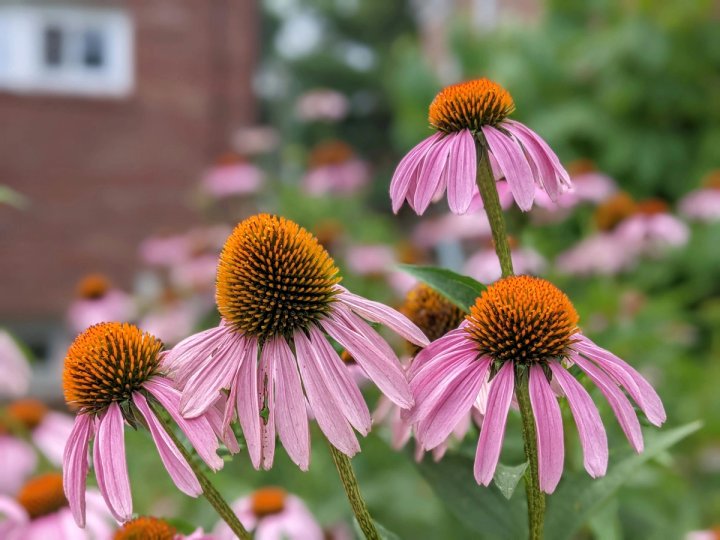
Echinacea
Full Sun • Part Sun
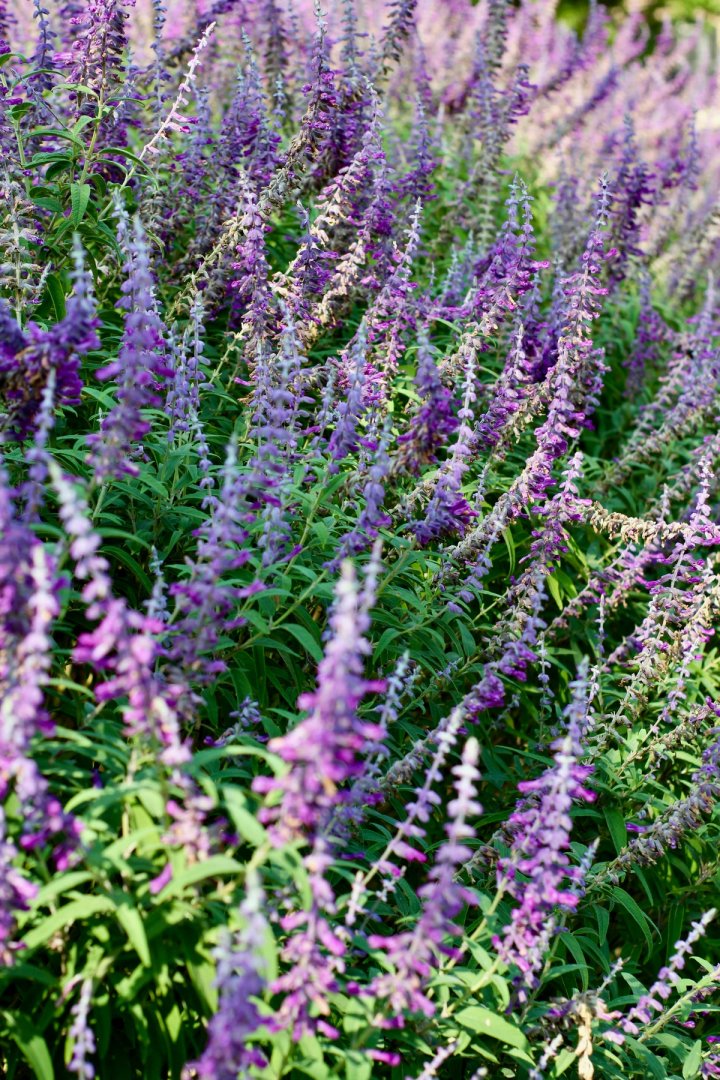
Russian Sage (Perovskia)
Full Sun
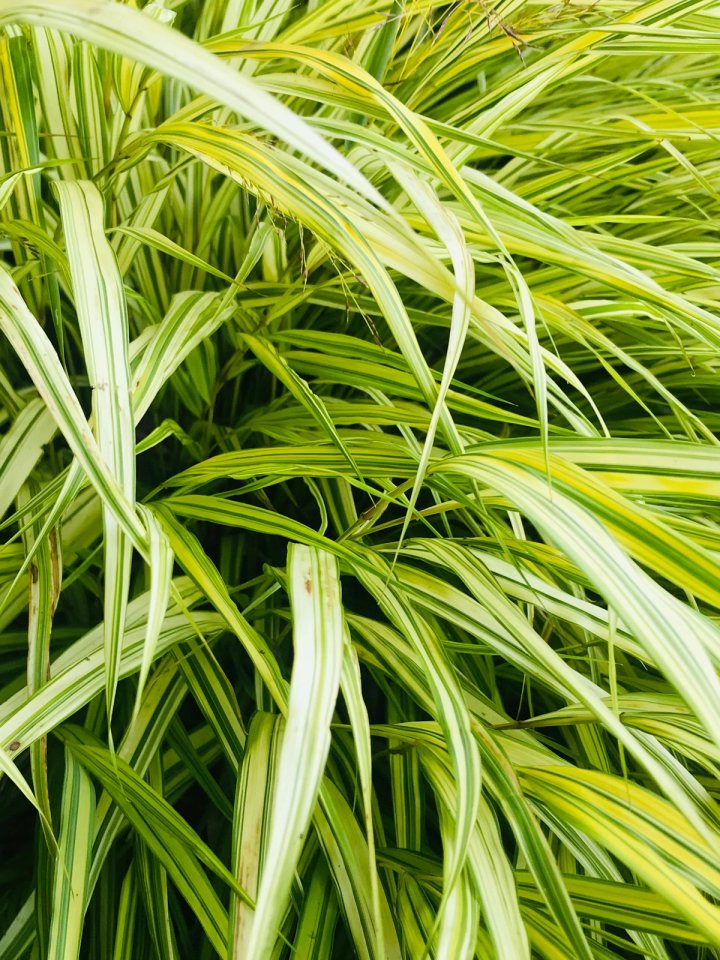
Japanese forest grass
Part Shade • Part Sun • Shade
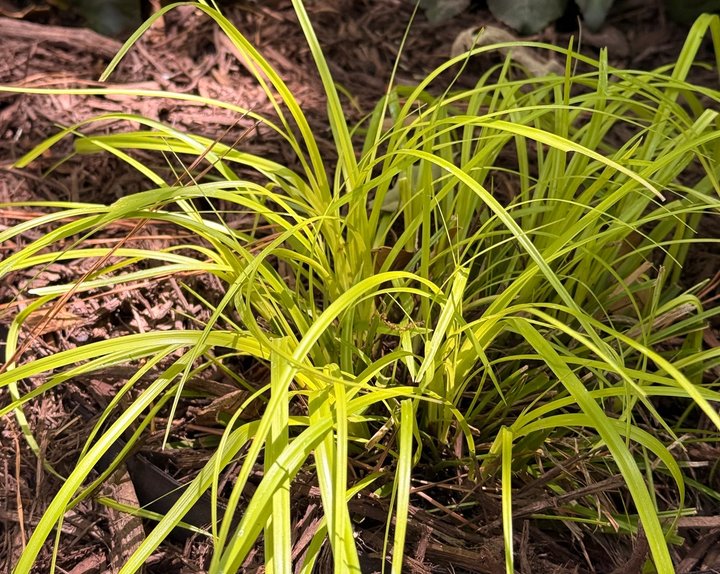
Carex Everillo (Japanese sedge)
Full Sun • Part Shade • Part Sun • Shade
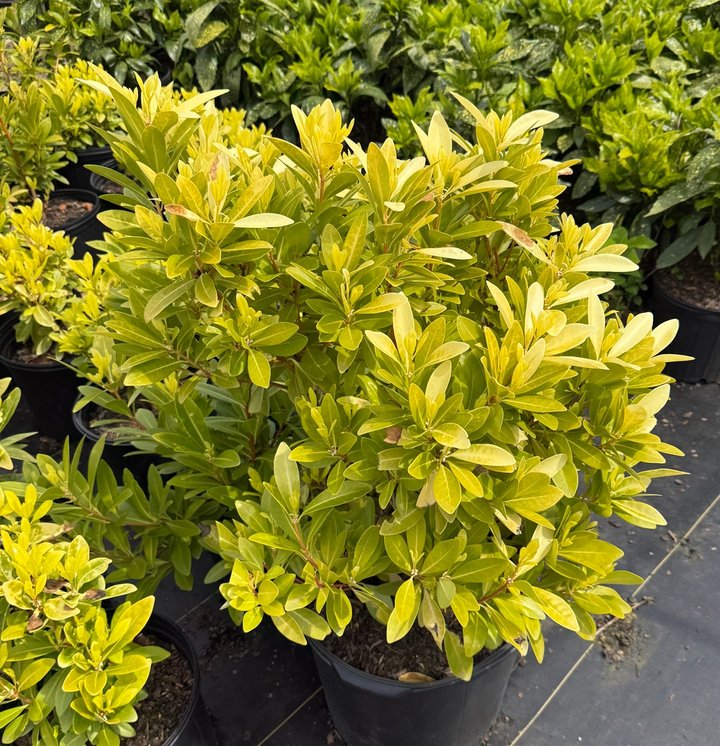
Illicium Florida Sunshine
Part Shade • Part Sun • Shade
Plant picks for a pink-purple garden
Tall (back of bed): Verbena bonariensis (tall, airy purple flowers on wire-thin stems - it lets you see through it), delphinium, Joe Pye weed (soft pink, native, huge presence), or tall garden phlox in pink or lavender varieties.
Plant list
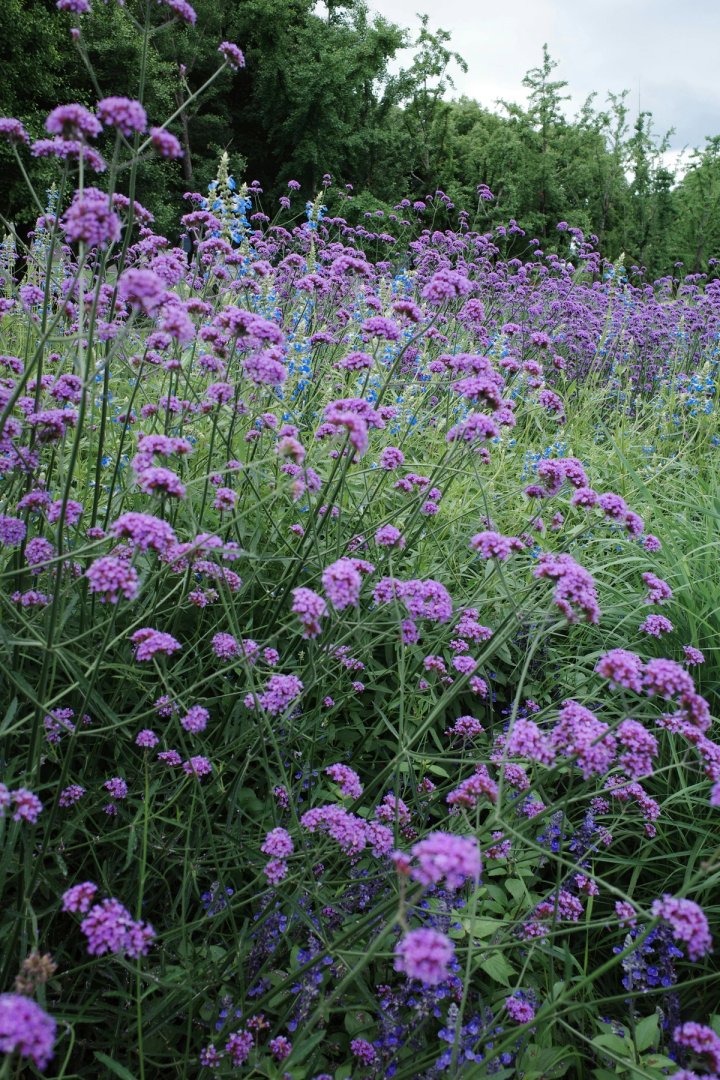
Verbena bonariensis
Full Sun
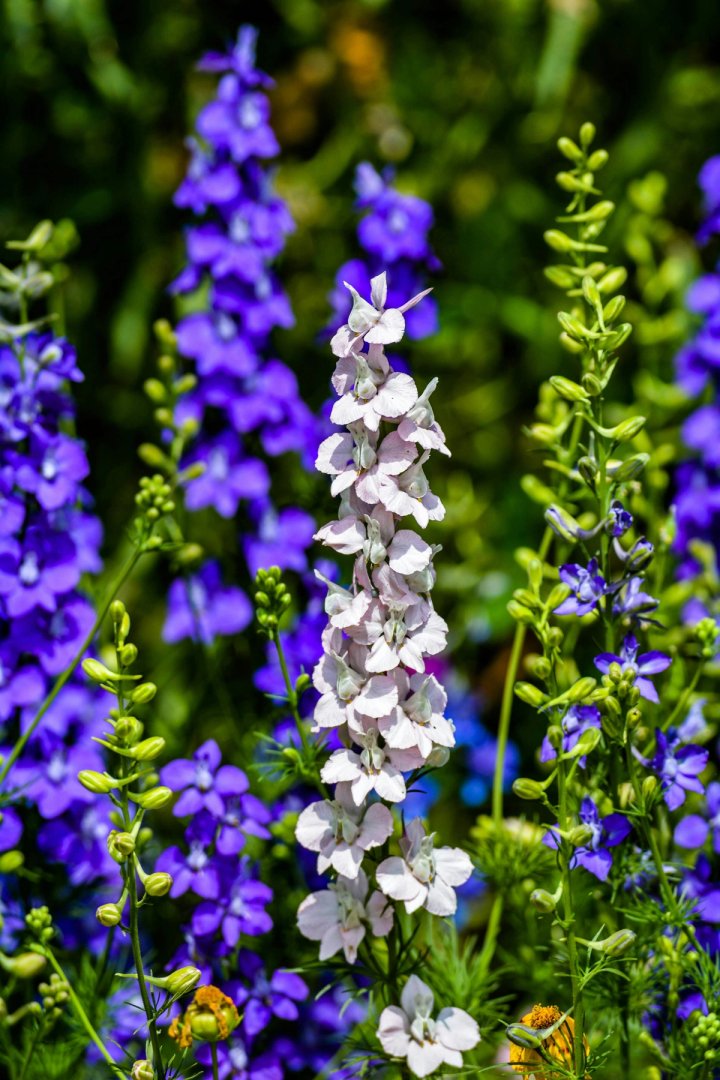
Delphinium
Full Sun • Part Sun
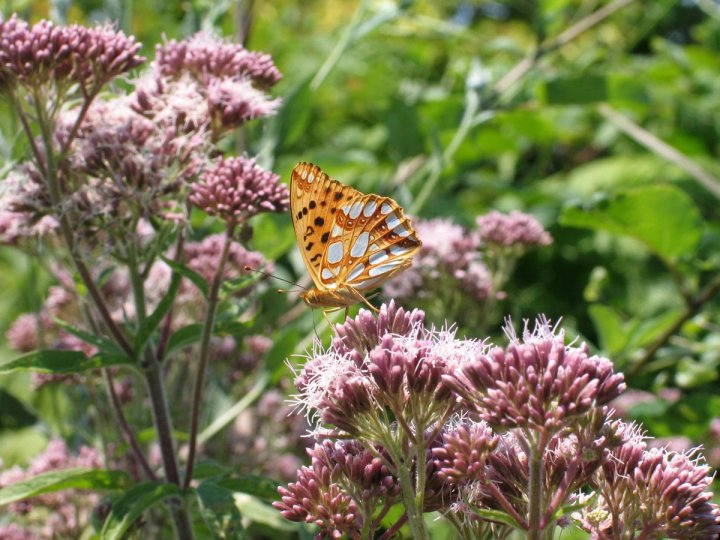
Joe Pye weed
Full Sun
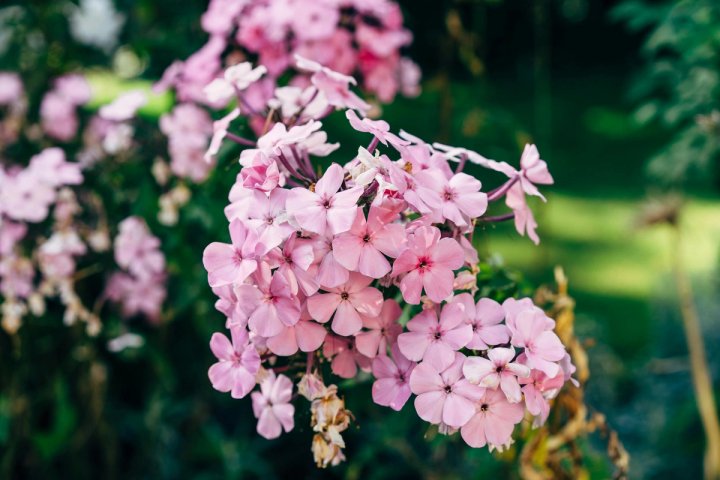
Garden phlox
Full Sun • Part Sun
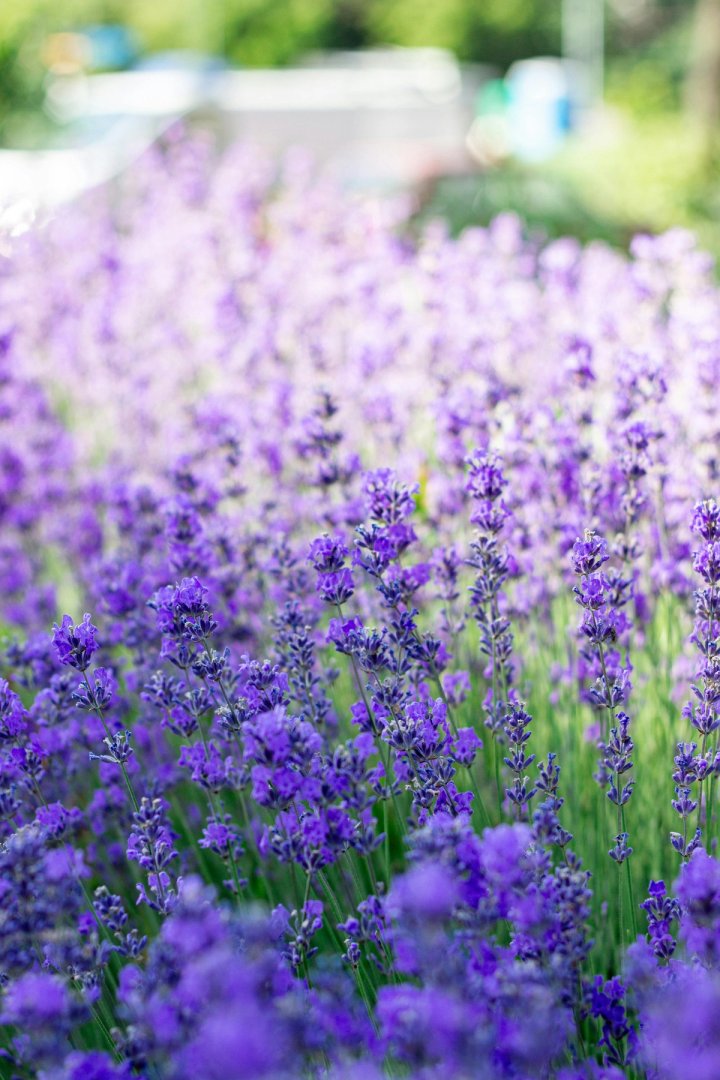
Lavender
Full Sun
Medium (middle of bed): Salvia 'May Night' or 'Caradonna' (purple spikes), echinacea 'Magnus' or 'Pink Double Delight', catmint 'Walker's Low' (lavender-blue, blooms for months), and peony (the queen of pink).
Plant list
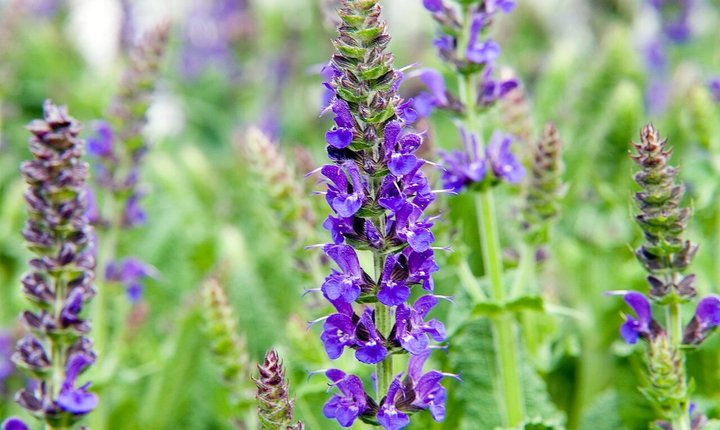
Salvia May night
Full Sun • Part Sun
Echinacea
Full Sun • Part Sun
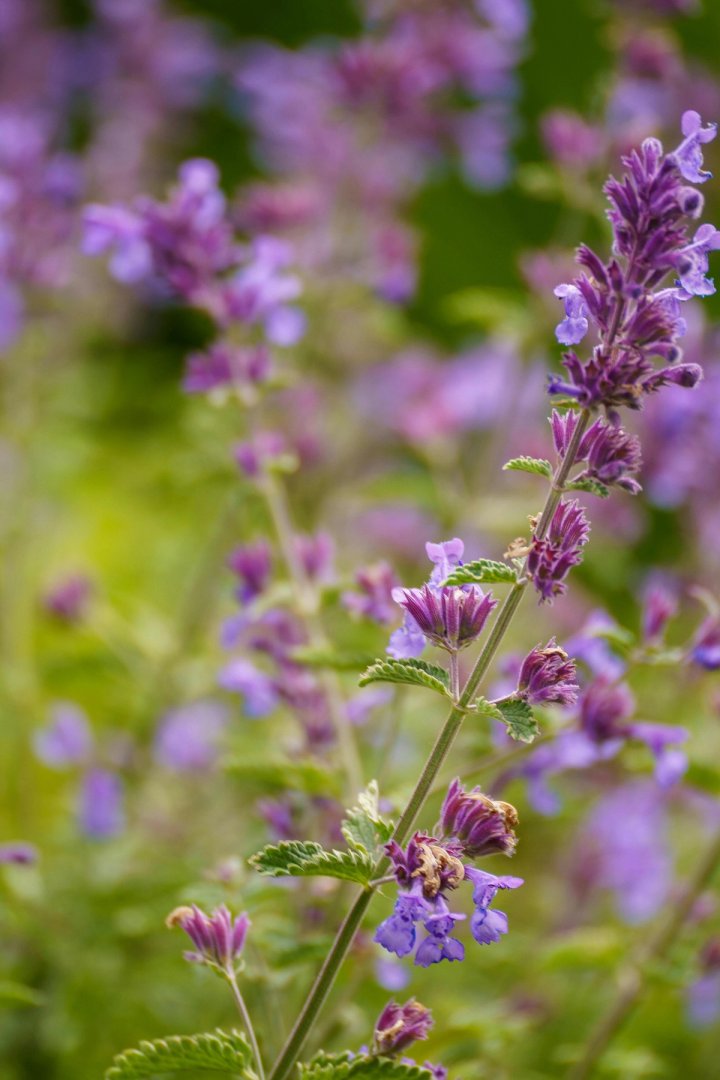
Catmint
Full Sun
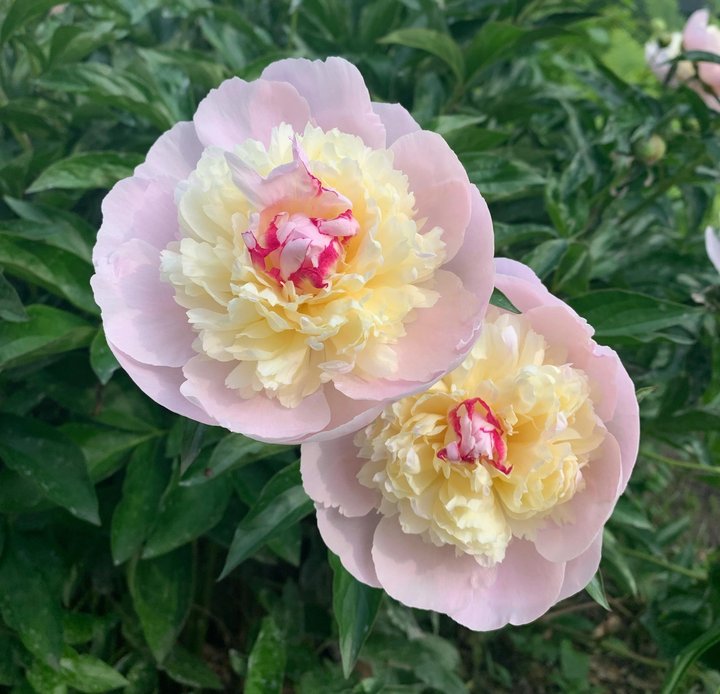
Peony Sorbet
Full Sun • Part Sun
Low (front of bed): Geranium 'Rozanne' (violet-blue, endless bloom), dianthus in pink shades, creeping phlox in spring, or heuchera with purple-toned leaves like 'Palace Purple' or 'Plum Pudding'.
Bulbs (seasonal accents): Allium 'Purple Sensation' in late spring (those perfect spheres are stunning with pink peonies), tulips in pink and purple for early spring, and autumn crocus for a fall surprise.
Plant list
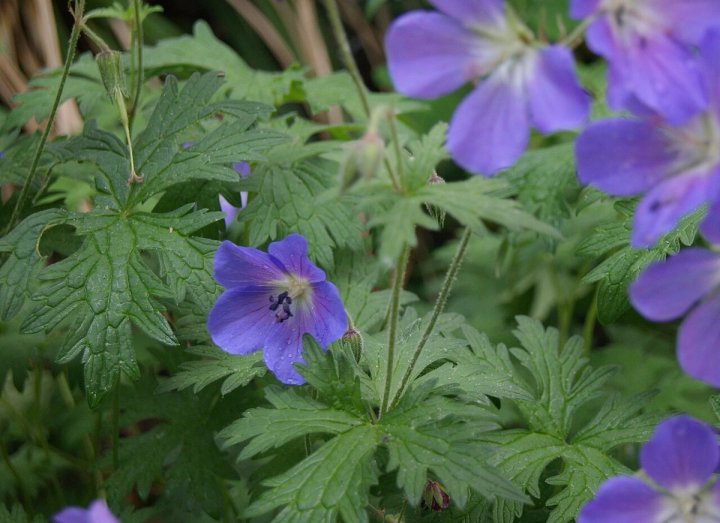
Geranium 'Rozanne'
Full Sun • Part Sun
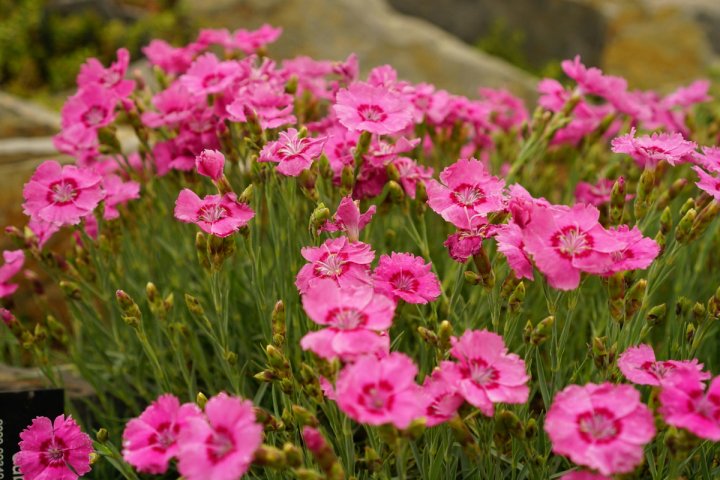
Dianthus 'Firewitch'
Full Sun • Part Sun
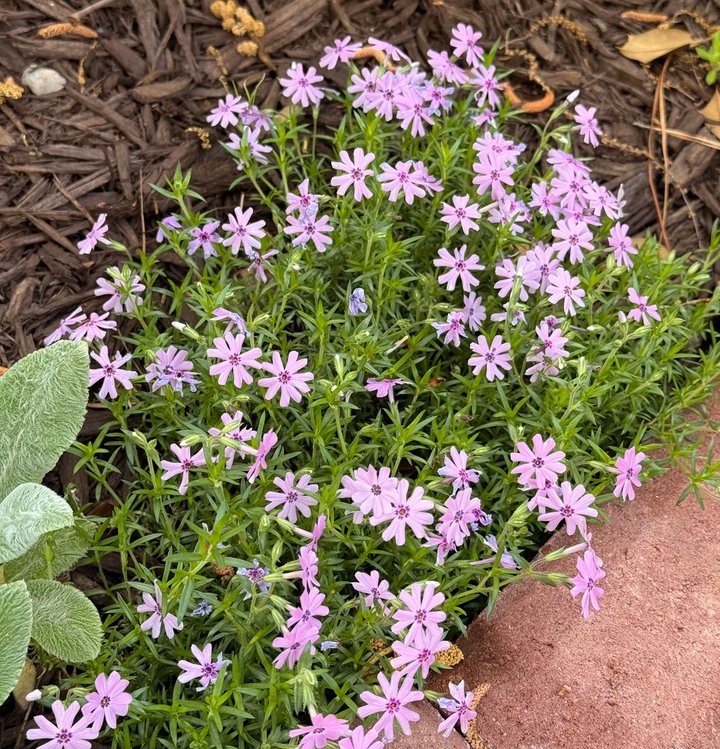
Creeping phlox
Full Sun • Part Shade • Part Sun
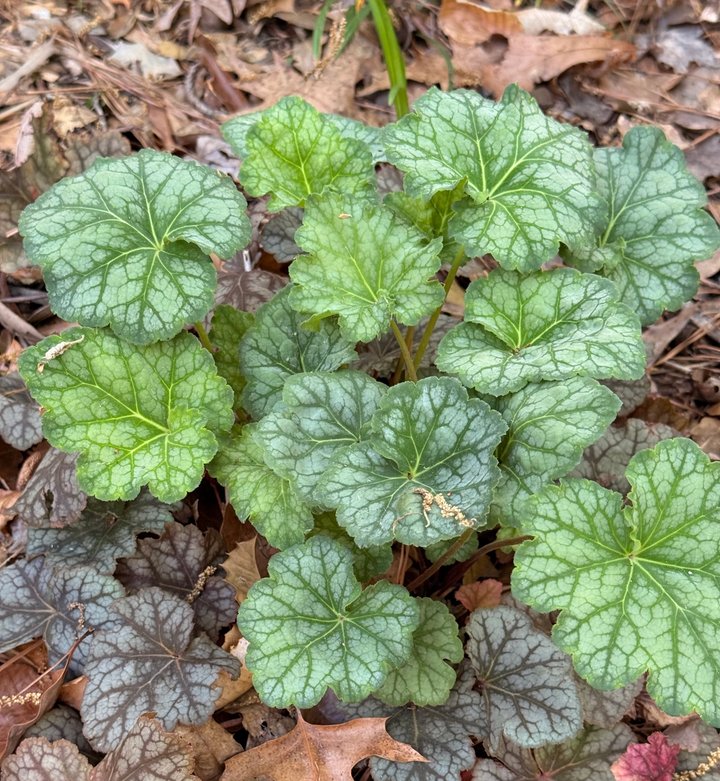
Heuchera (Coral bells)
Part Shade • Part Sun • Shade
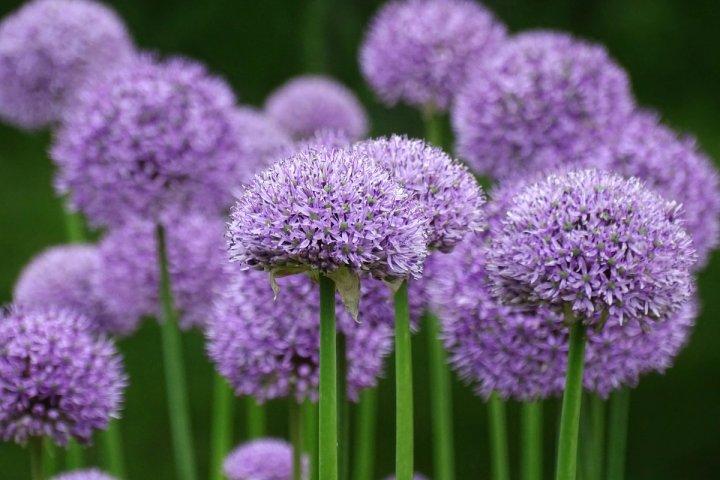
Allium
Full Sun • Part Sun
Layout tip: Design in drifts, not dots
The biggest mistake in color-themed gardens is planting one of everything. A single pink echinacea next to a single purple salvia looks sparse and random. Instead, plant in drifts - elongated groups of 5–7 of the same plant that weave through the bed.
Imagine your bed as horizontal stripes of color that overlap and intermingle. A drift of catmint flows into a group of echinacea, which overlaps with a sweep of salvia. The colors blend at the edges like watercolor - which is exactly the look you're going for.
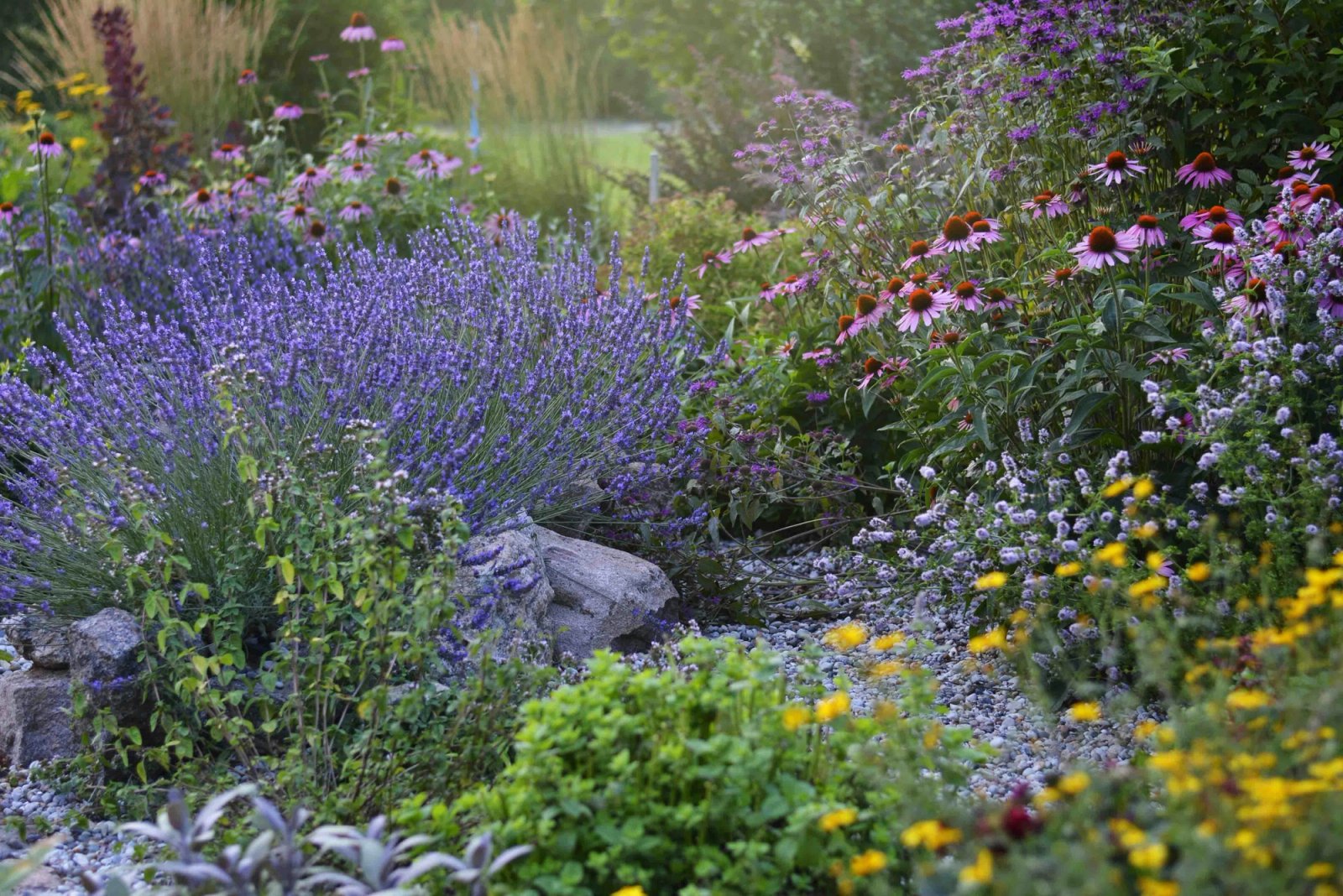
A sample pink-purple bed (full sun, 4 feet deep)
- Back: Three Verbena bonariensis (tall, see-through), one rose 'The Fairy' (soft pink, repeat bloomer)
Plant list
Verbena bonariensis
Full Sun
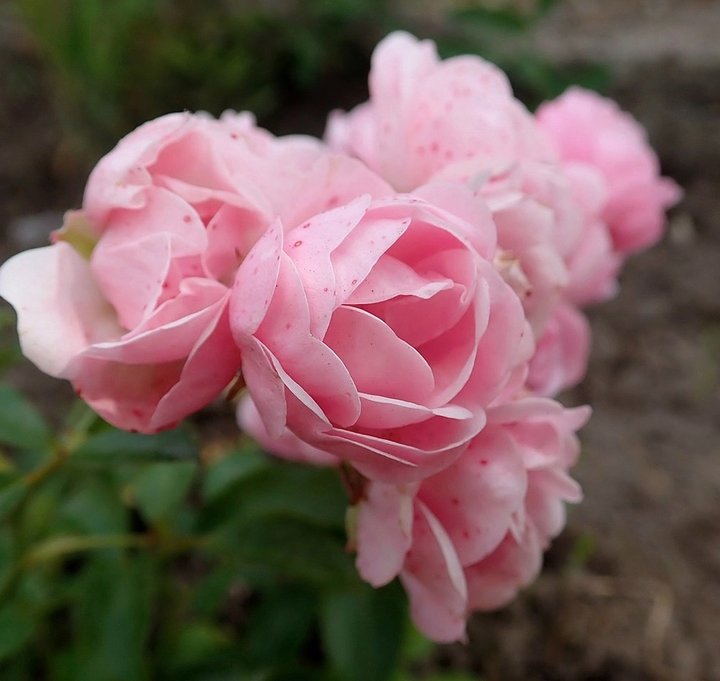
Rose 'The Fairy'
Full Sun
- Middle: Five catmint 'Walker's Low' (lavender mounds), three echinacea 'Magnus' (pink), three salvia 'Caradonna' (deep purple spikes)
Plant list
Catmint
Full Sun
Echinacea
Full Sun • Part Sun
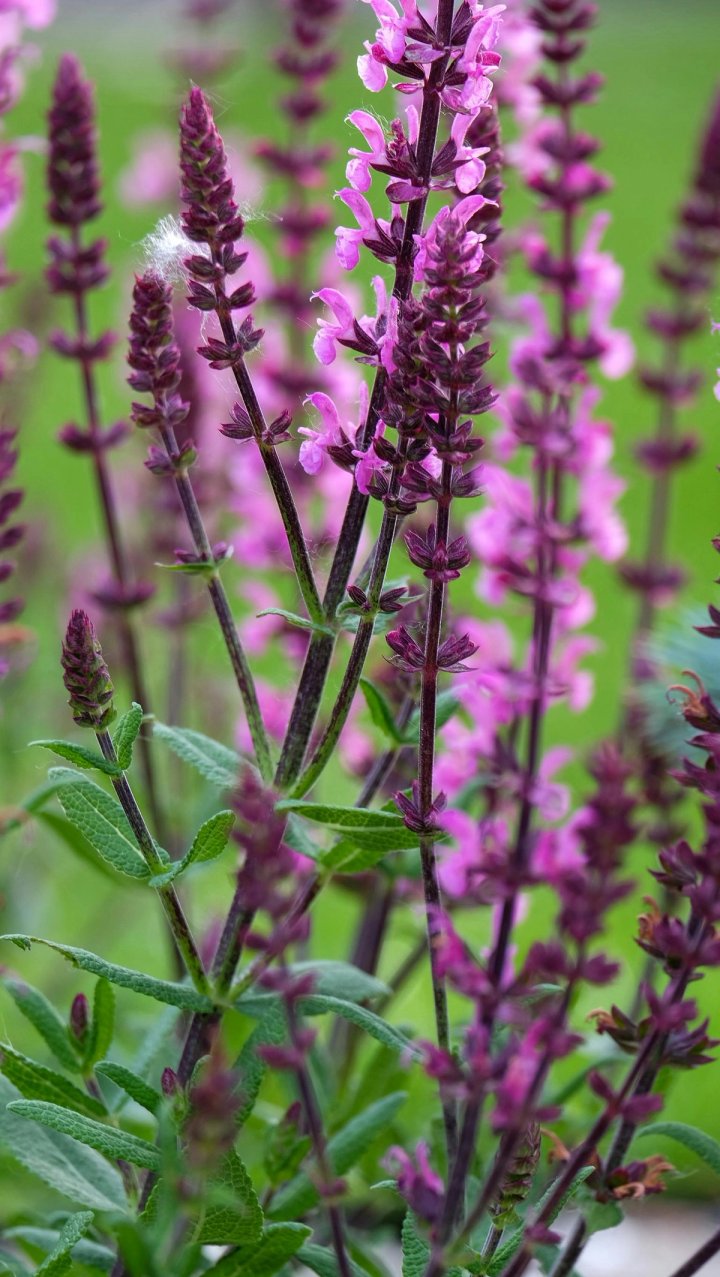
Salvia 'Caradonna'
Full Sun
- Front: Seven dianthus 'Firewitch' (magenta-pink, fragrant), three lamb's ear (silver foliage accent)
- Bulbs between everything: Ten allium 'Purple Sensation' (plant in fall for spring bloom)
Plant list
Dianthus 'Firewitch'
Full Sun • Part Sun
Lamb's ear
Full Sun • Part Shade • Part Sun
Allium
Full Sun • Part Sun
This bed will begin blooming in late spring with the alliums and dianthus, peak in midsummer with everything firing at once, and continue into fall with the catmint and echinacea. Total maintenance is one spring cleanup, one midsummer deadhead, and one fall cutback.
Plan your color palette directly on your garden photo - so pinks and purples feel balanced, not random.
Tags
Related ideas
More to explore

Garden design
How to Design a Garden Bed Like a Designer: The 5 Principles That Make It Look Intentional
The difference between a garden that looks designed and one that looks like a plant sale isn't the plants - it's five principles. Layering, structure, color, repetition, and bloom sequence, explained.
July 21, 2026

Garden design
How I Track My Garden Year by Year (Without Guessing Every Spring)
If you forget what you planted every spring, this simple visual system helps you track your garden year by year - without notes or guesswork.
May 6, 2026

Foundation Planting Guide - How to Prepare, Design, and Plant the Beds Around Your House
Here's how to do it right, starting with the ground work that most guides skip entirely.
April 28, 2026