

What to Plant in Spring (Zone 7b/ 8a) - Raleigh NC Month-by-Month Guide
Planting Tips
April 26, 2026
Zone 7b offers a long growing season and a wide plant palette, but it also comes with unpredictability. A warm February week can be followed by a hard freeze in March. Tender plants put out too early can struggle, while well-timed planting gives stronger roots, better blooms, and less stress later. This guide breaks down what to plant each month in Raleigh, Garner, and the Triangle area, so you can work with the season instead of against it.
Know Your Frost Dates
For the Raleigh-Durham-Garner region:
- Average last frost: April 15-20
- Safe planting date for tender plants: after mid-April
- First fall frost: mid to late October
- Growing season: roughly 180-200 days
These dates shift each year, so think of them as guides, not guarantees.
Simple rule: Wait until after tax day before planting warm-season vegetables and frost-sensitive annuals outdoors.
March - The Setup Month
March is preparation season. Soil is still cool, and frost is still possible through late March and early April.
What to Do in March
Clean up winter beds
- Cut ornamental grasses to 4–6 inches before new growth starts
- Remove dead perennial foliage
- Pull winter weeds before they seed
- Put a layer of compost
Divide and move perennials
Great time for:
- hostas
- daylilies
- ornamental grasses
- overgrown clumps needing refresh
Prune summer bloomers
Prune shrubs that bloom on new wood:
- butterfly bush
- crape myrtle
- roses
- abelia
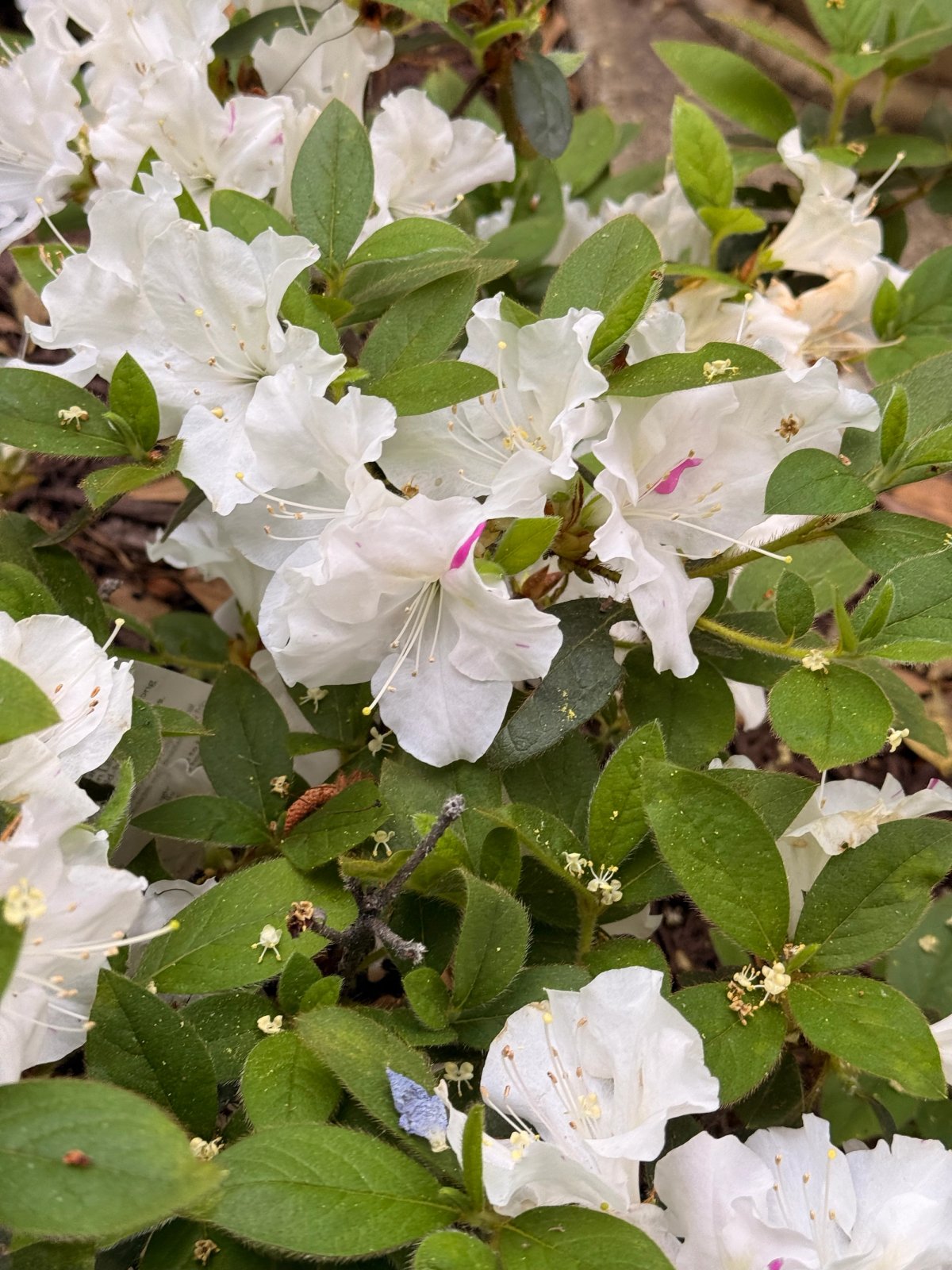
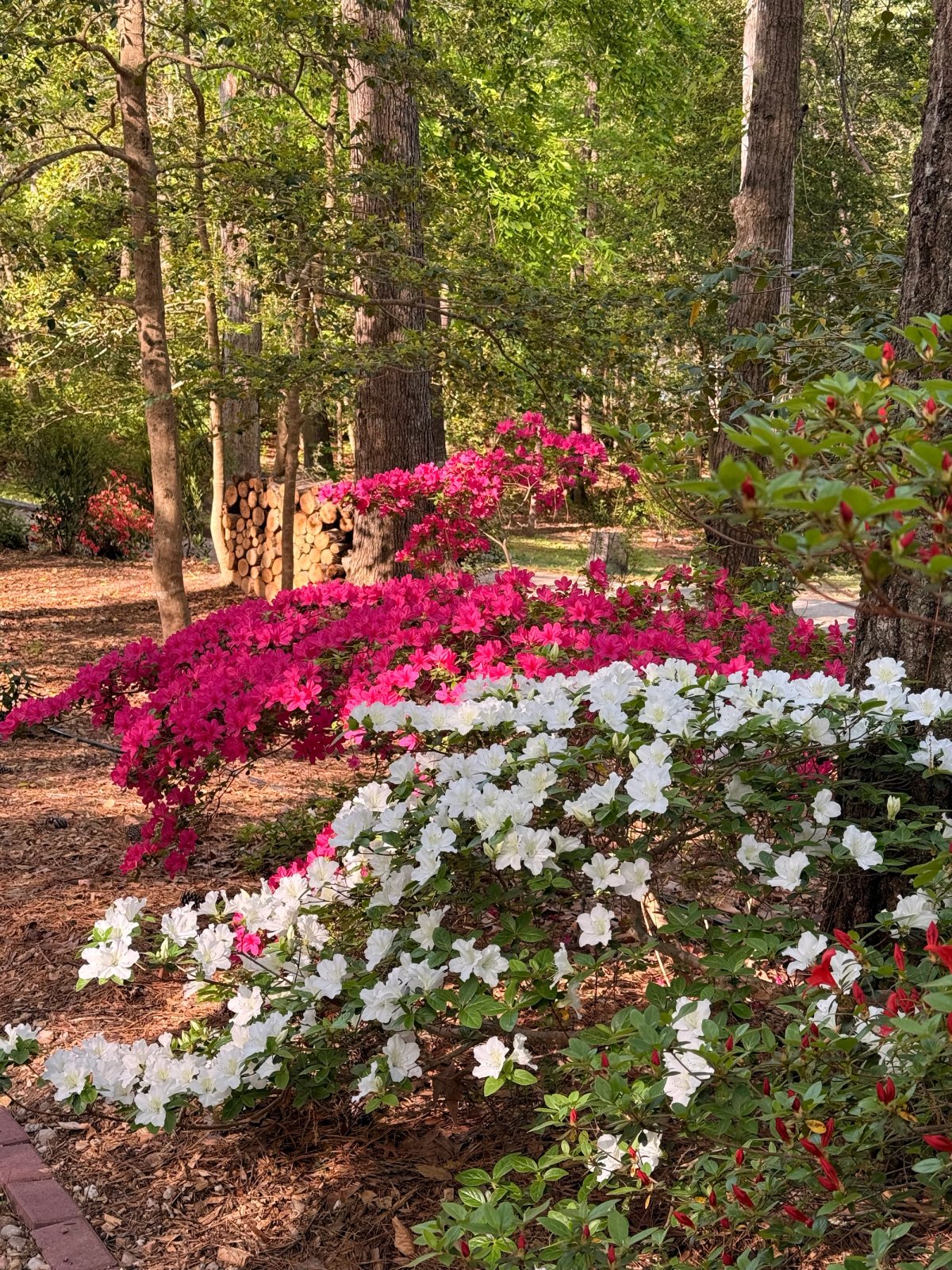
Avoid pruning azaleas, quince, or forsythia now - they bloom on old wood. Better not to prune spring flowering plants now. Wait till they bloom and prune right after.
What to Plant Outdoors in March
Cool-season vegetables
Direct sow:
- lettuce, spinach, kale
- peas
- radishes, carrots
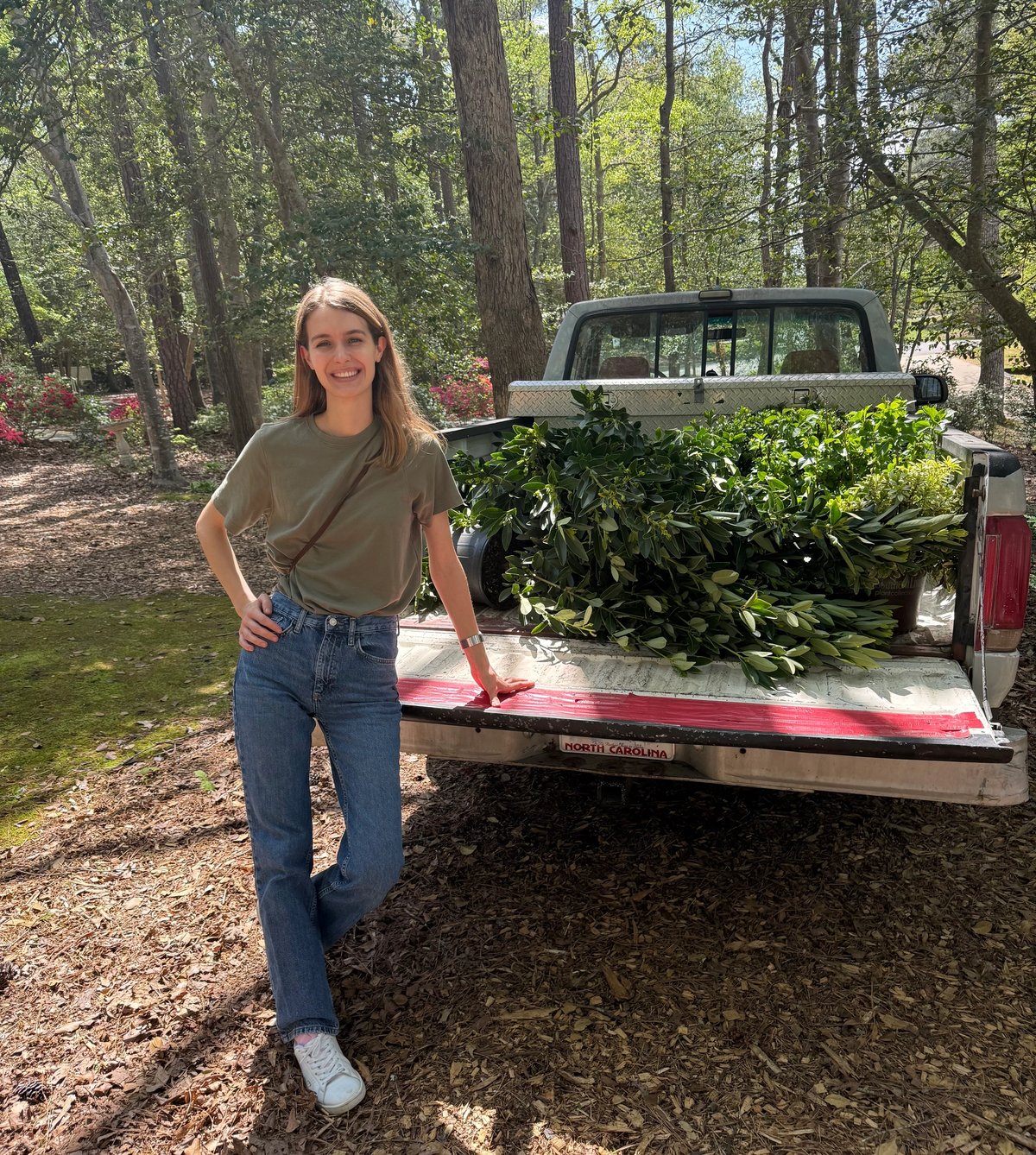
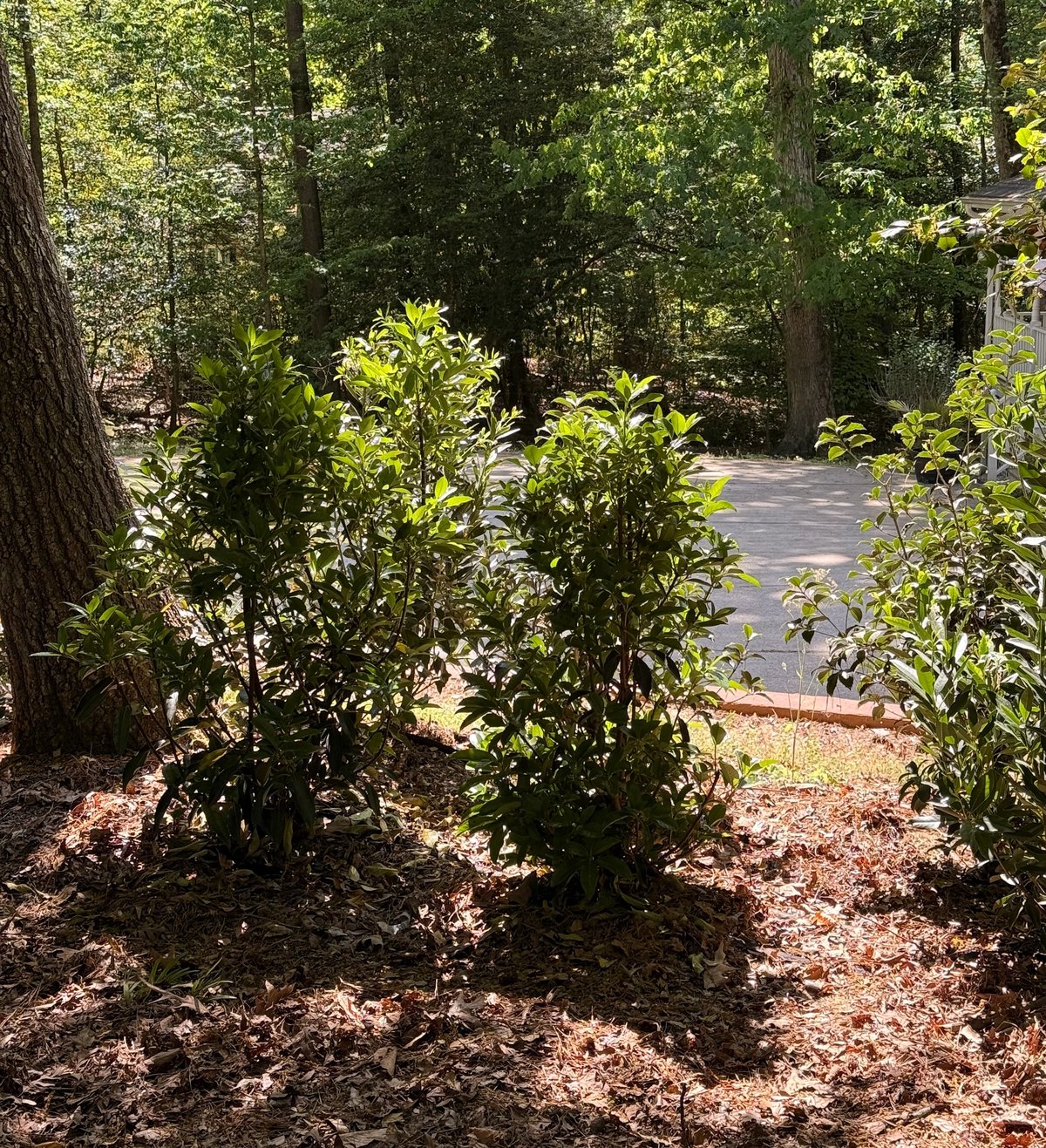
Trees and shrubs
March is one of the best planting windows in North Carolina. Cool soil + spring rain = strong root establishment before summer heat.
Cool-season flowers
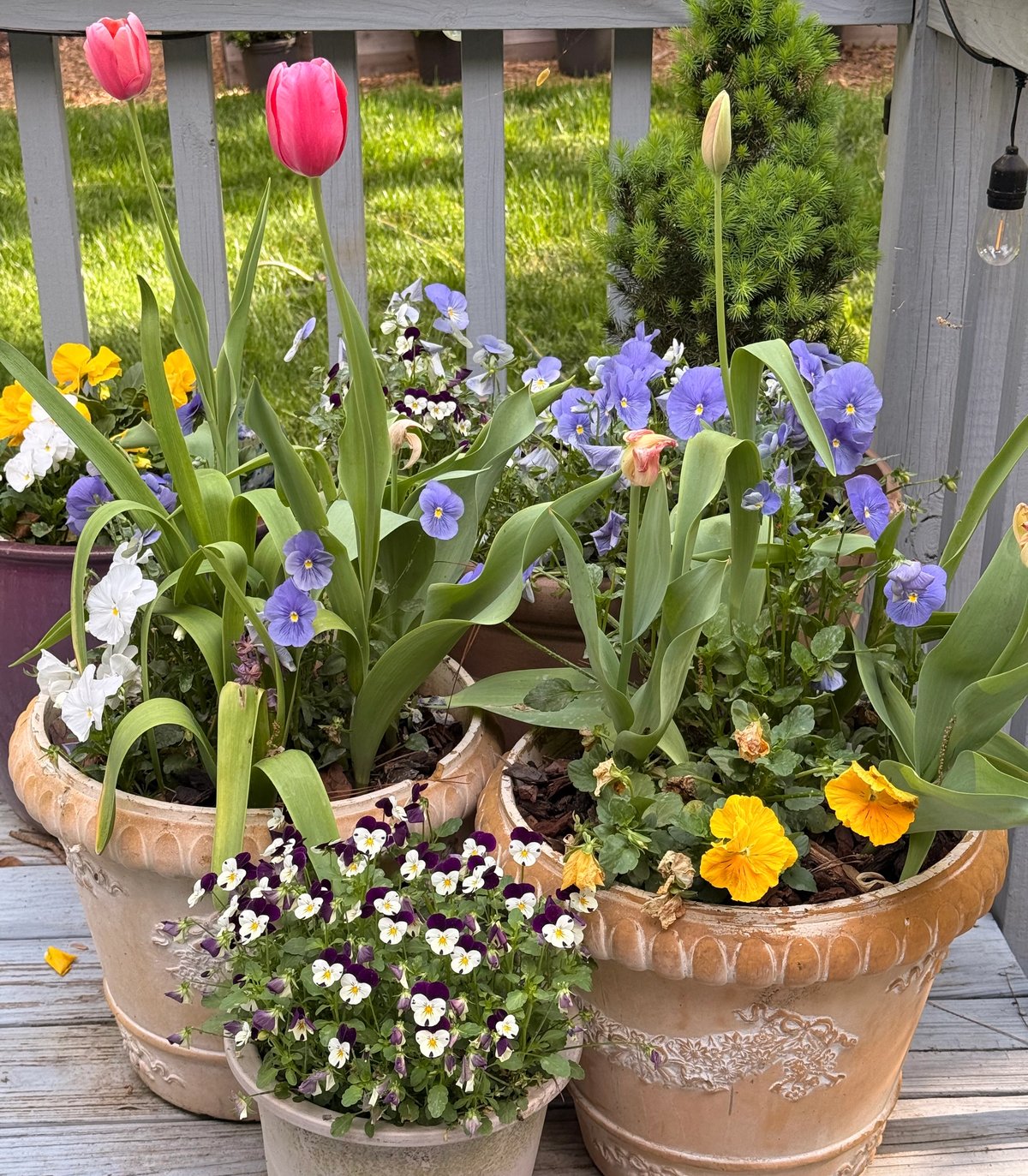
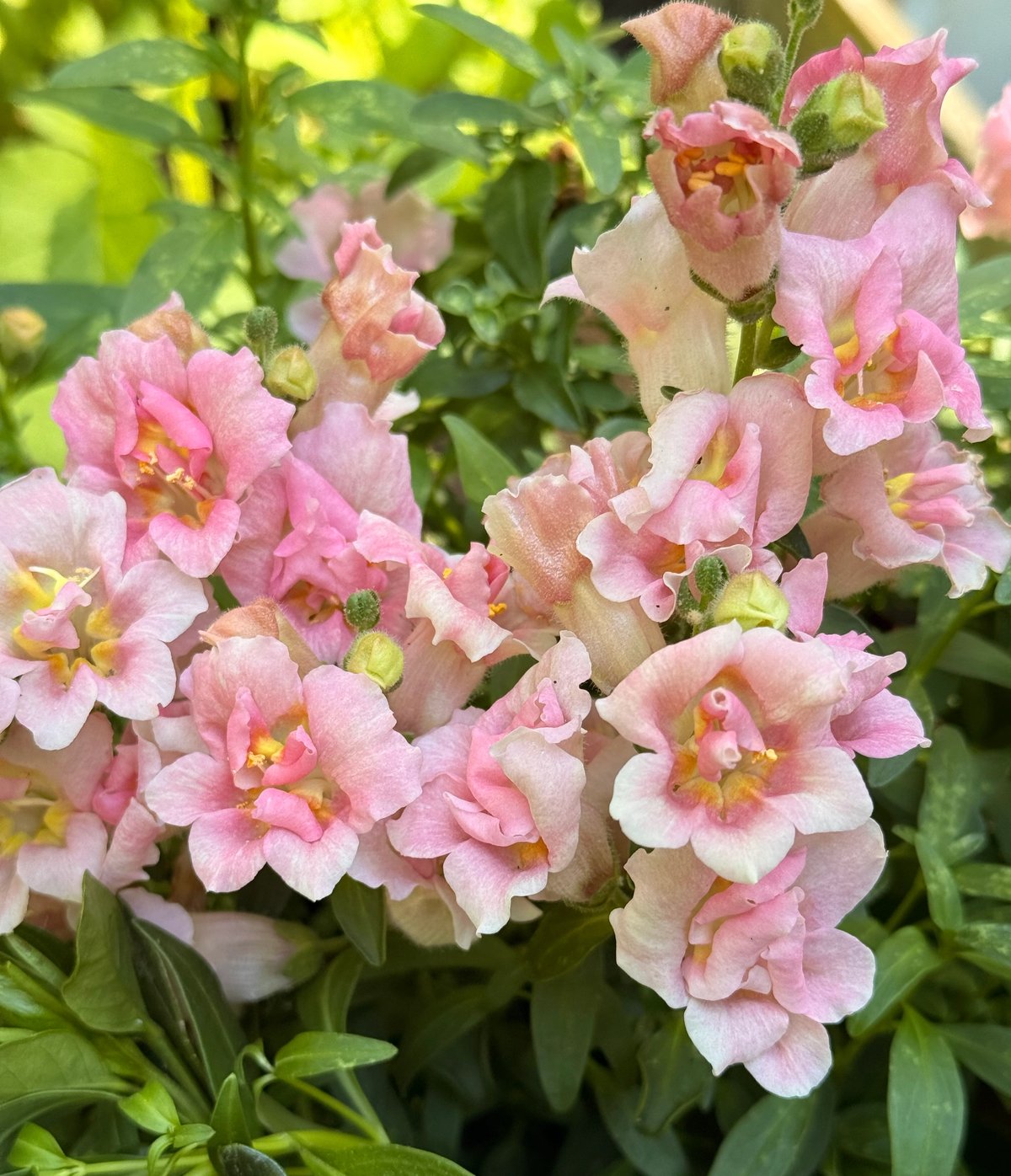
Plant:
- pansies, violas
- snapdragons
- ornamental cabbage
Bare-root plants
Plant as soon as soil is workable:
- roses
- fruit trees
- deciduous shrubs
Planning your spring garden? You can map plants directly on your garden photos with BloomMap →
April - The Transition Month
April is when spring fully wakes up in the Triangle. Dogwoods bloom, azaleas explode, and planting season begins.
Early April can still surprise you with a cold snap, so stay alert.
What to Do in April
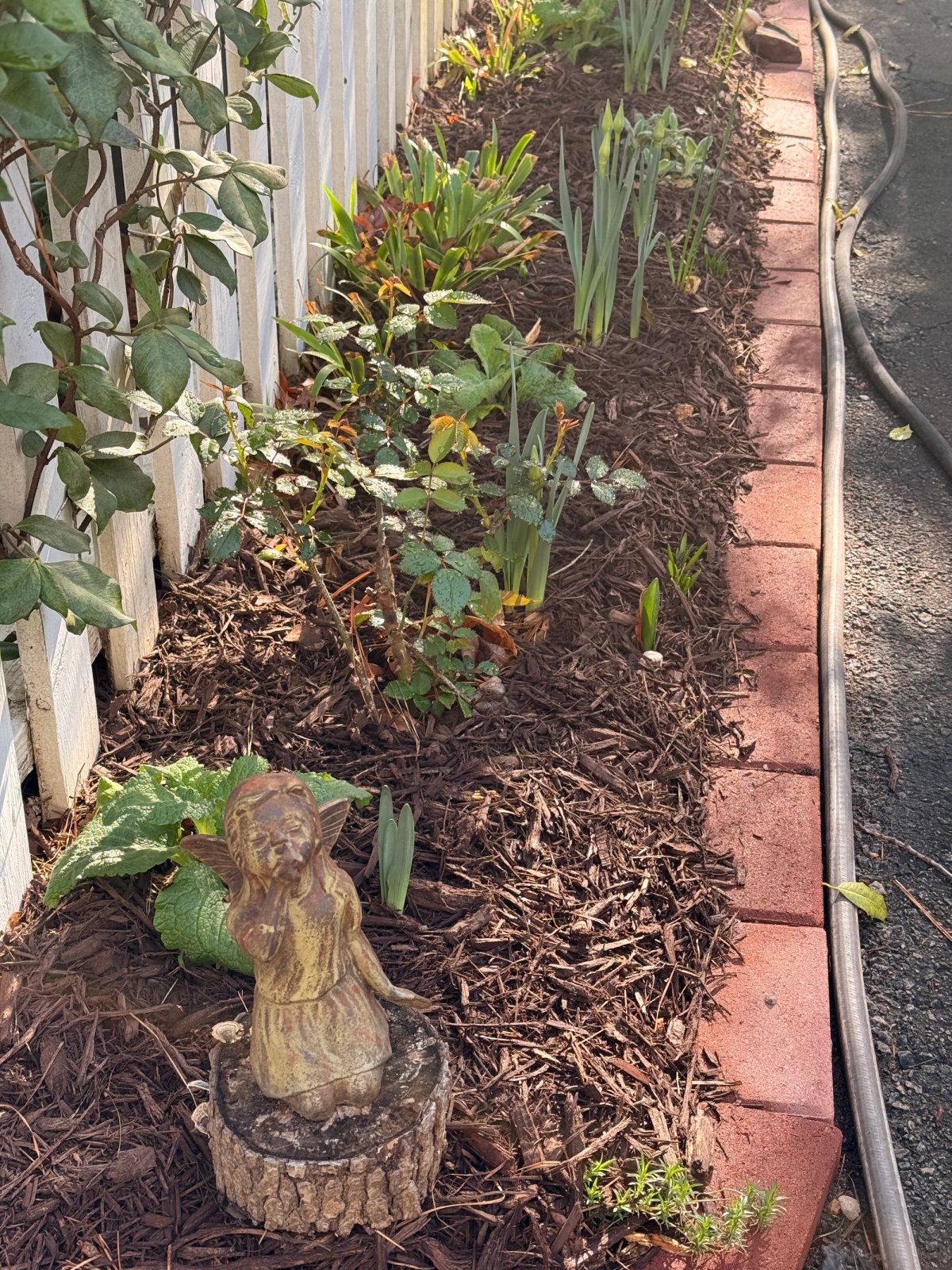
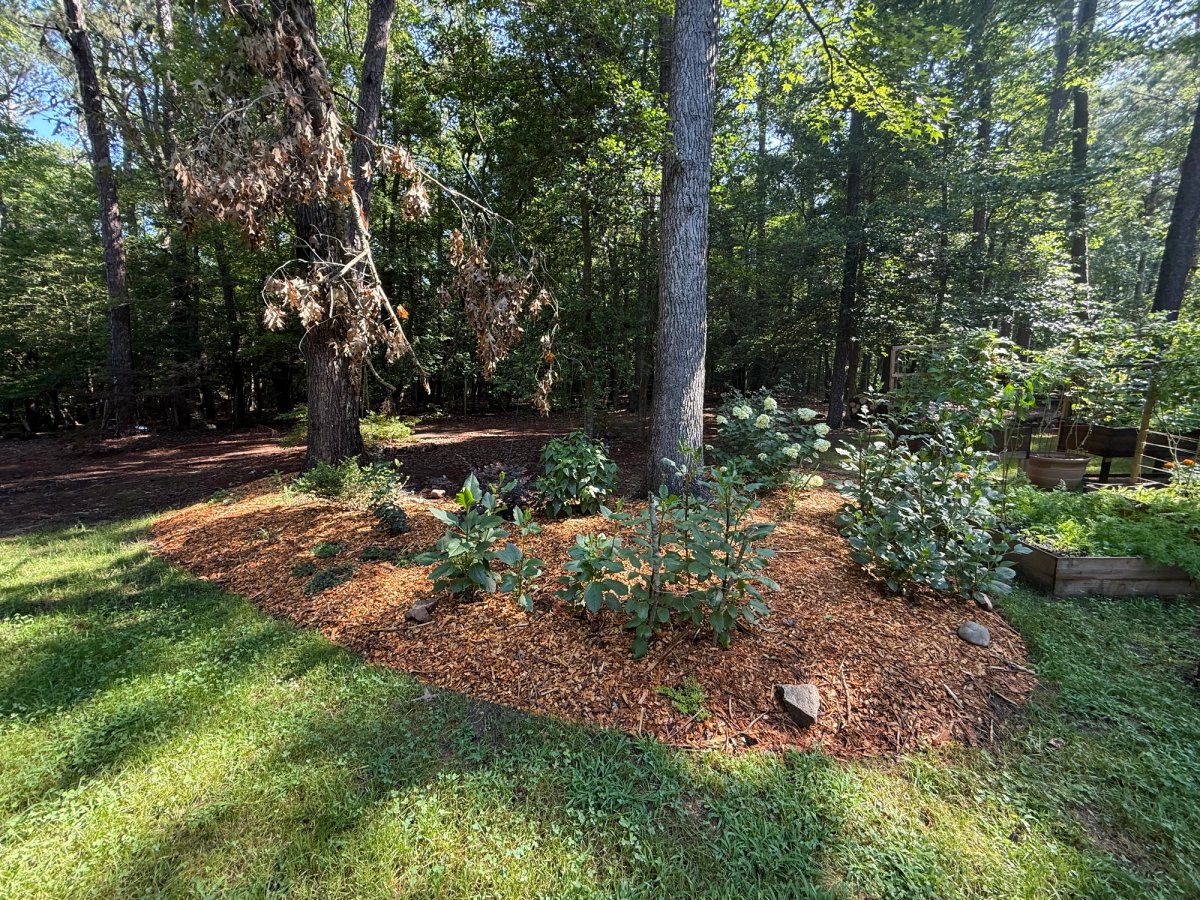
Mulch beds
Apply 2–3 inches of mulch after soil warms slightly and all beds prep is done.
Best choices:
- natural hardwood mulch
- pine bark fines
- arborist mulch
Keep mulch away from stems and trunks.
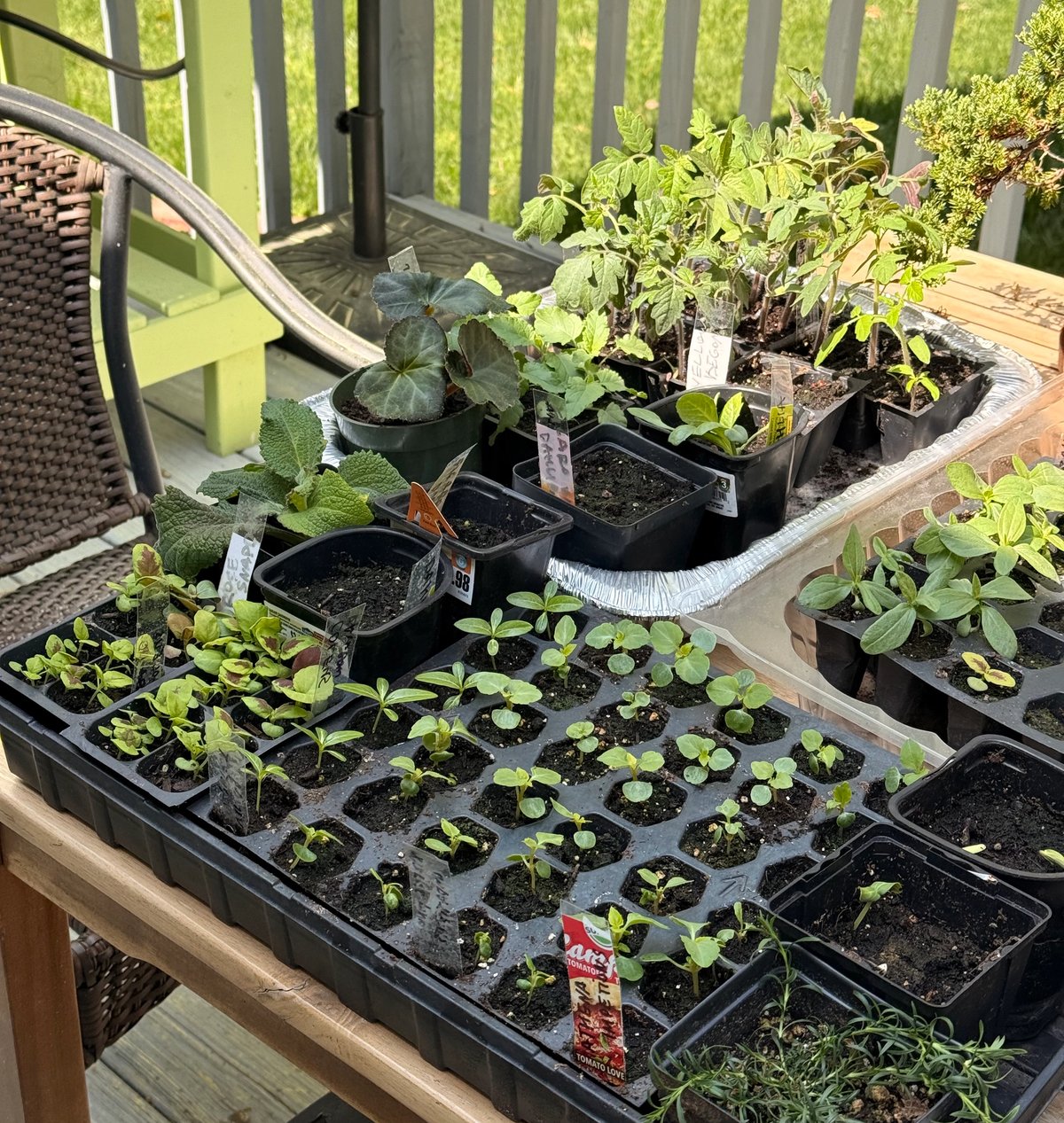
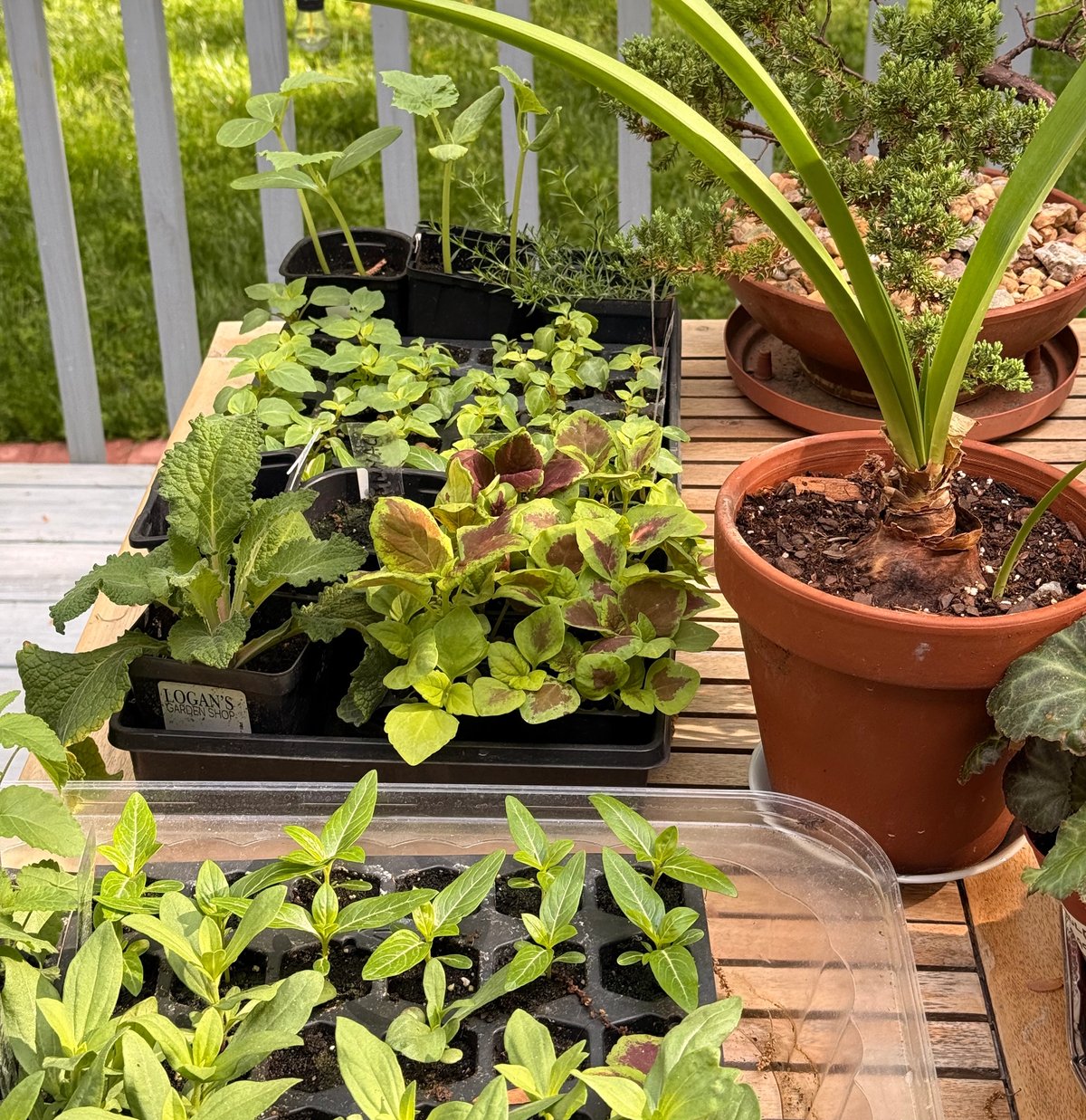
Harden off seedlings
Move tomatoes, peppers, and indoor starts outside during the day for 7–10 days before transplanting.
Feed established plants
Use a balanced slow-release fertilizer on actively growing shrubs and perennials.
What to Plant Outdoors in April
After mid-April:
Warm-season vegetables
- tomatoes, peppers
- squash, cucumbers, beans
- basil
Perennials
Excellent planting month for:
- echinacea
- salvia
- catmint
- black-eyed Susan
- daylilies
Summer annual flowers
Direct sow:
- zinnias
- cosmos
- sunflowers
- marigolds
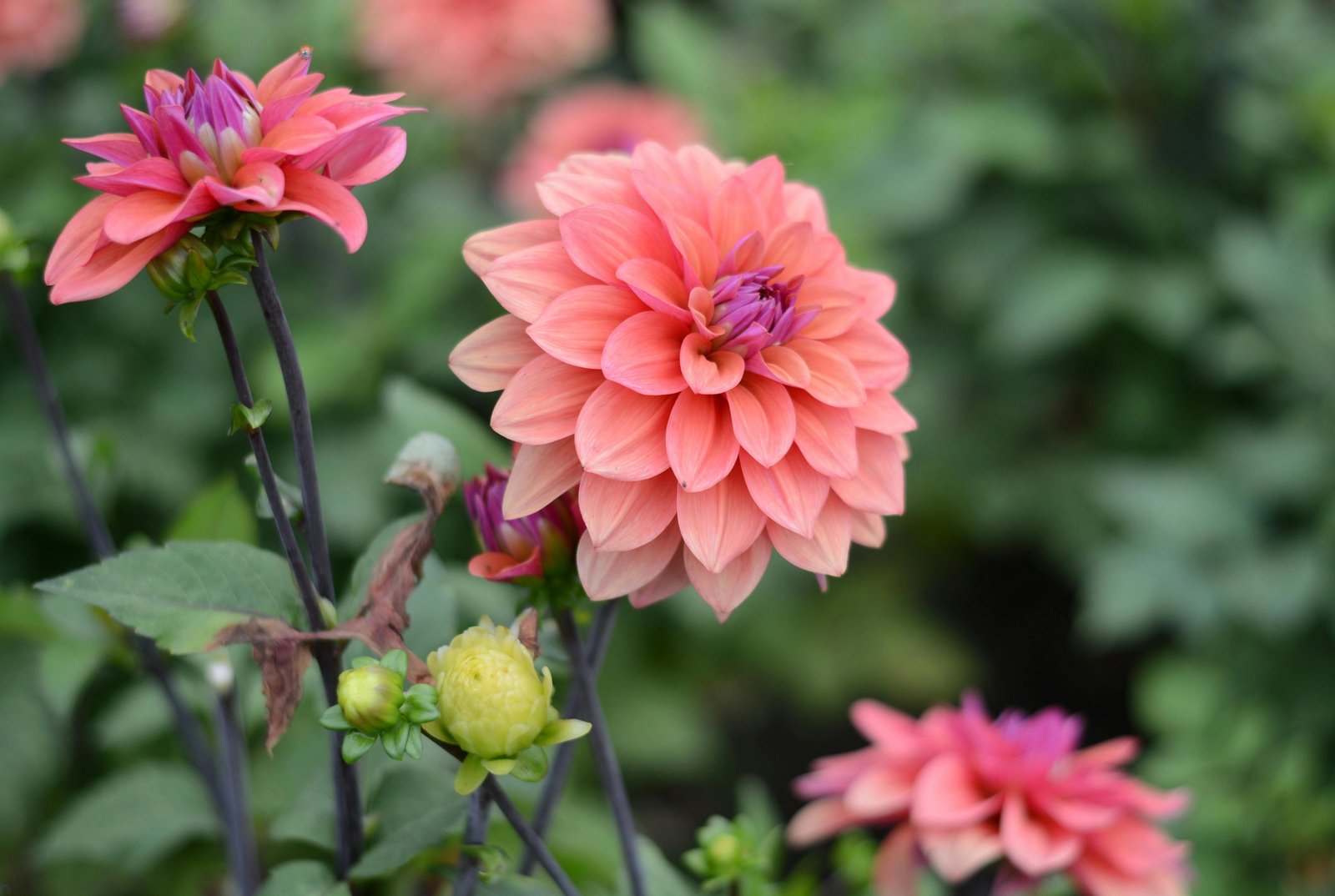
Dahlias
Plant tubers in mid to late April once soil reaches about 60°F. You can kickstart your dahlia tubers in the pot inside. That can give them more time to put their roots and bloom slightly earlier.
May - The Abundance Month
By May, frost risk is usually gone and nearly everything is growing fast.
This is one of the most productive planting months of the year.
What to Do in May
Stay ahead of weeds
A weekly 15-minute cleanup is easier than a monthly battle.
Water new plantings deeply
Especially:
- shrubs
- trees
- perennials planted this spring
Scout for pests
Watch for:
- aphids
- squash bugs
- Japanese beetles (late May onward)
What to Plant Outdoors in May
Warm-season crops
- okra
- sweet potatoes
- melons
- southern peas
Tropical plants
- elephant ears
- cannas
- caladiums
Heat-loving annuals
Perfect for Raleigh summer:
- lantana
- pentas
- vinca
- portulaca
Summer bulbs
- gladiolus
- crocosmia
- tuberose
Best Long-Term Plants for Zone 7b / 8a Gardens
Want a garden that gets better each year? Invest in reliable performers.
Sun Lovers
Echinacea
Drought tolerant, pollinator favorite, blooms summer to fall.
Salvia ‘May Night’
Deep purple spikes, repeat blooms if trimmed.
Rudbeckia
Long-lasting golden flowers.
Catmint ‘Walker’s Low’
Blooms for months with little care.
Butterfly bush ‘Pugster’
A great choice for sunny, low-maintenance landscapes.
Plant list
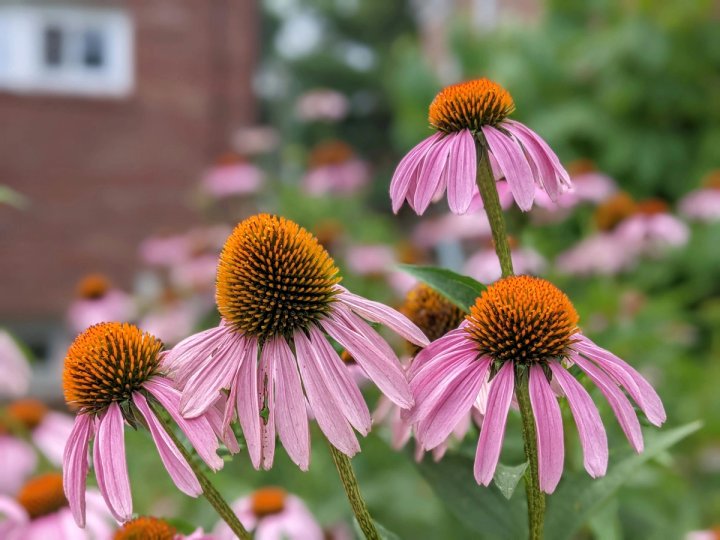
Echinacea
Full Sun • Part Sun
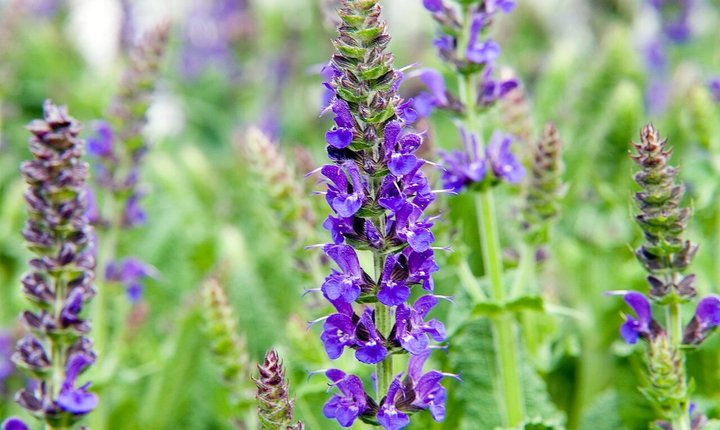
Salvia May night
Full Sun • Part Sun
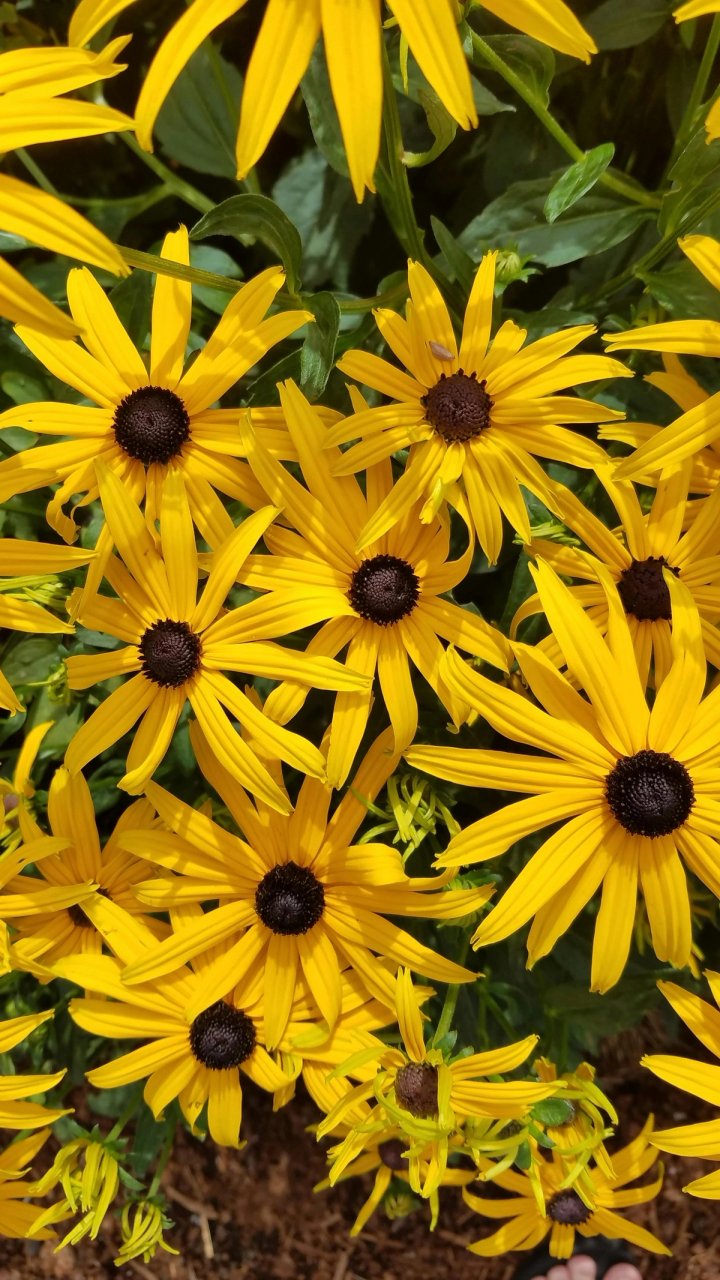
Black-Eyed Susan (Rudbeckia)
Full Sun
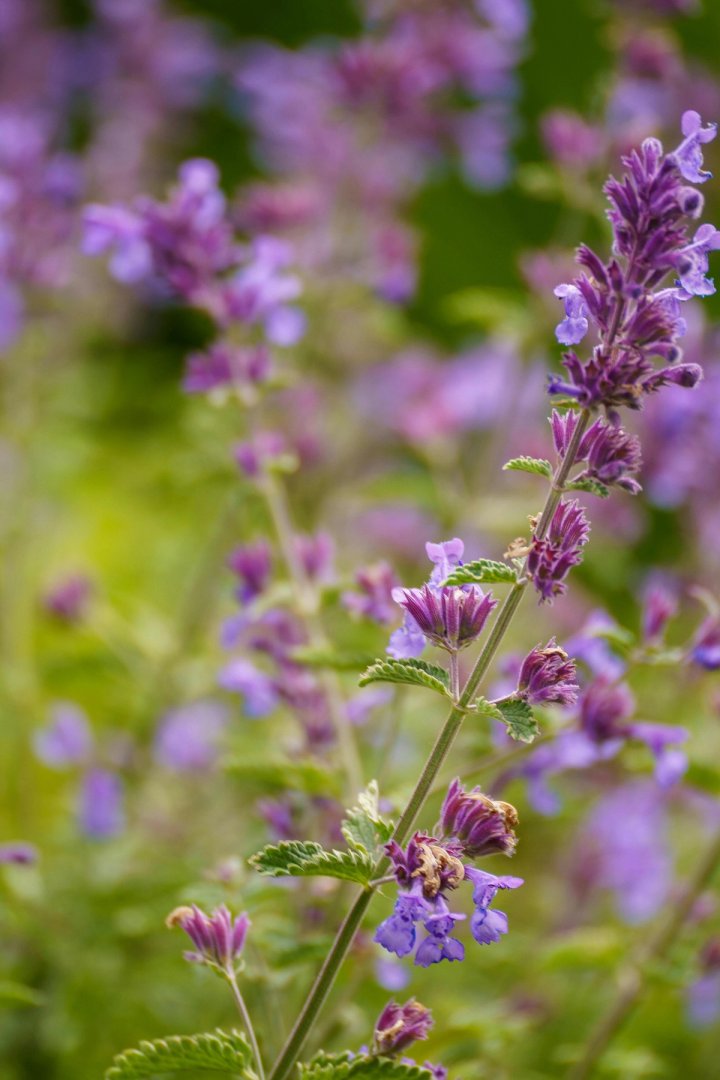
Catmint
Full Sun
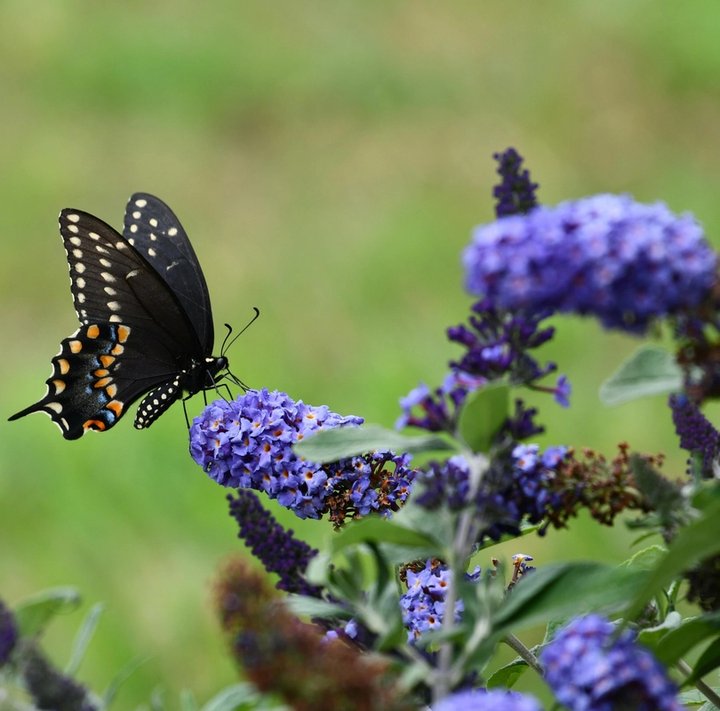
Butterfly bush 'Pugster'
Full Sun
Shade & Part Shade
Oakleaf Hydrangea
Native, four-season beauty, great in Piedmont shade.
Azalea
Traditional showy southern flowering shrub.
Hellebores
Late winter blooms, evergreen, deer resistant.
Hosta
Classic shade texture plant.
Plant list
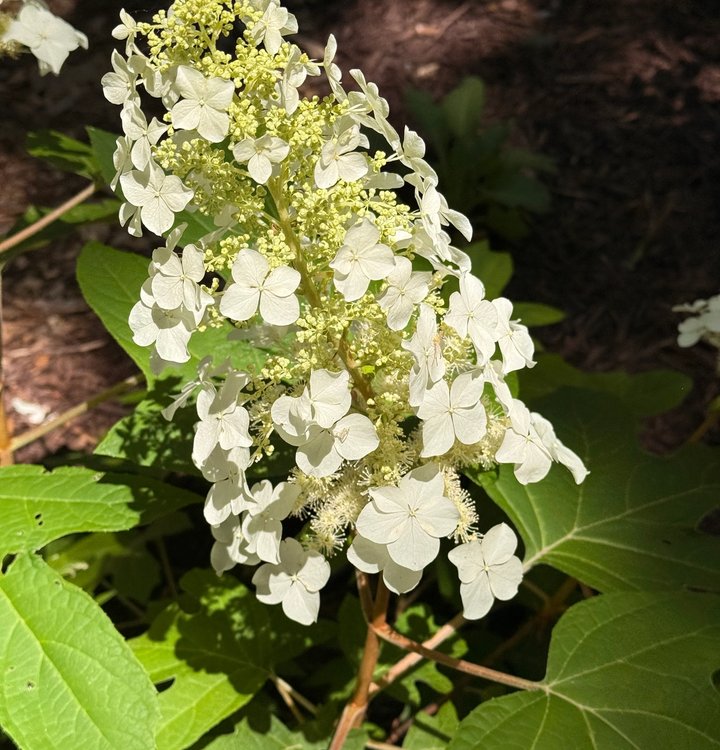
Oakleaf hydrangea
Part Shade • Part Sun • Shade
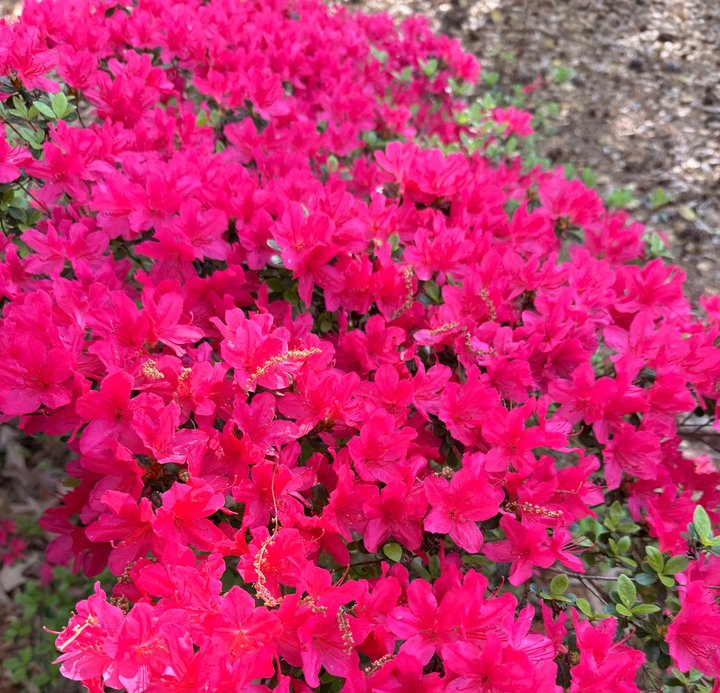
Evergreen Azaleas
Part Shade • Part Sun • Shade
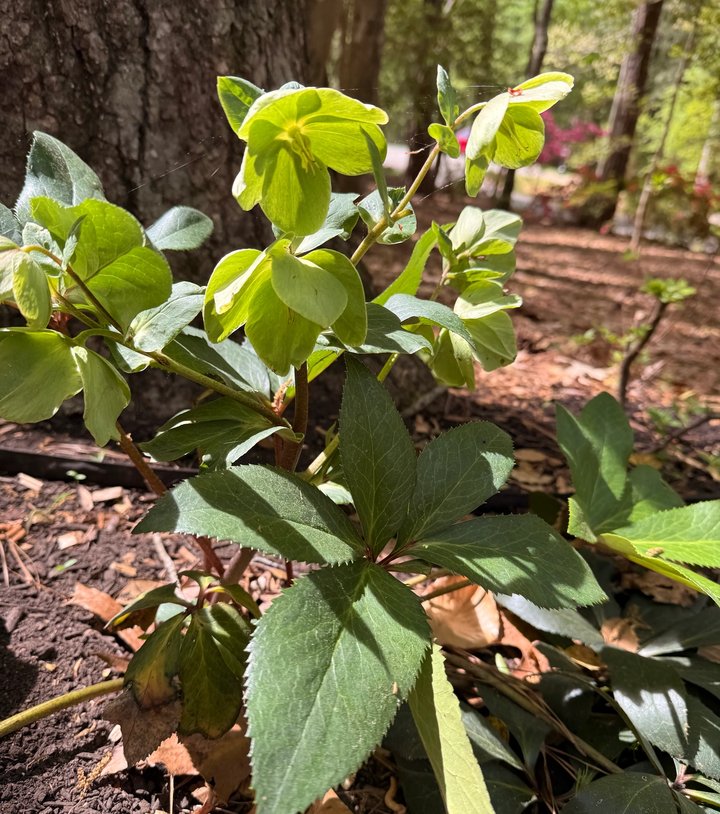
Hellebores
Part Shade • Shade
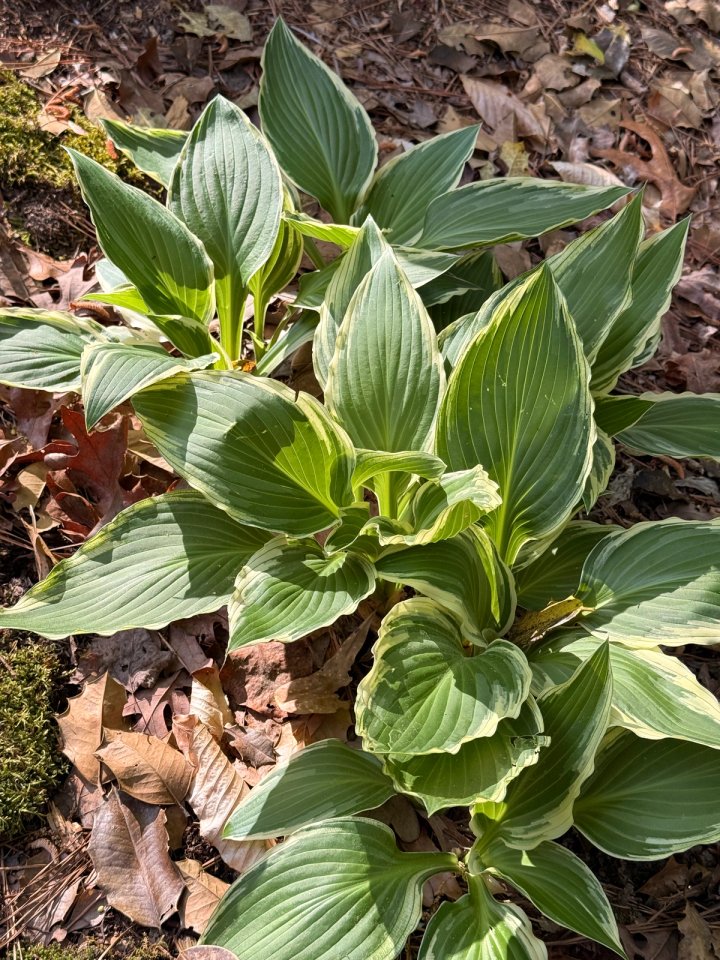
Hosta
Part Shade • Shade
Structural Favorites
Japanese Maple
Elegant shape, incredible spring and fall color.
Boxwood or Inkberry Holly
Year-round form and winter presence.
Illicium
Scented foliage and nice flowers.
Fatsia
Tropic looking, big leaf plant.
Plant list
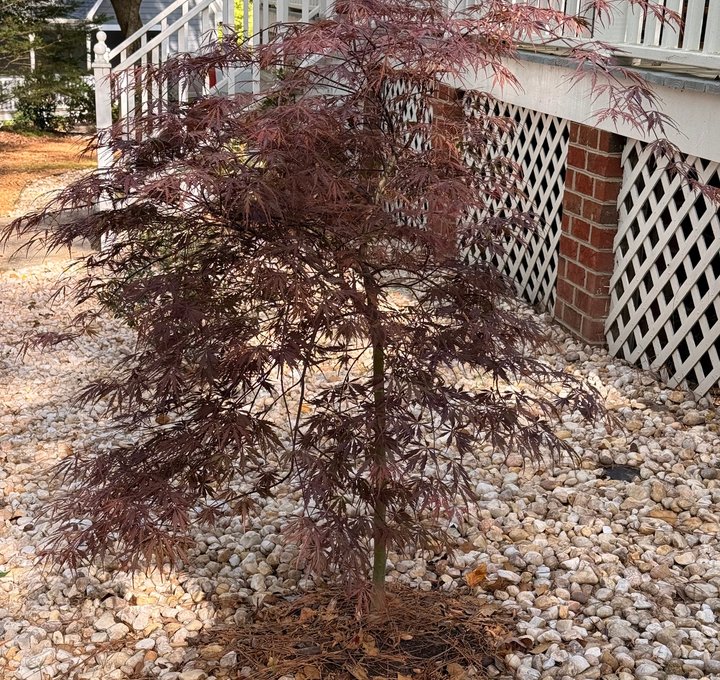
Japanese Maple Tamukeyama
Full Sun • Part Shade • Part Sun • Shade
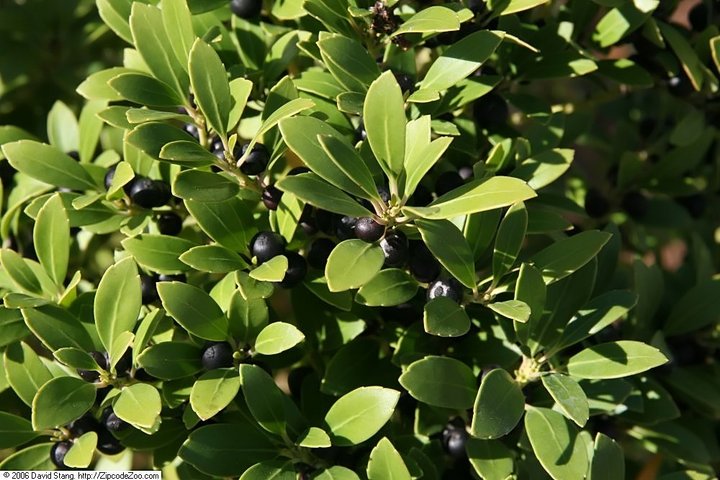
Inkberry holly
Full Sun • Part Sun
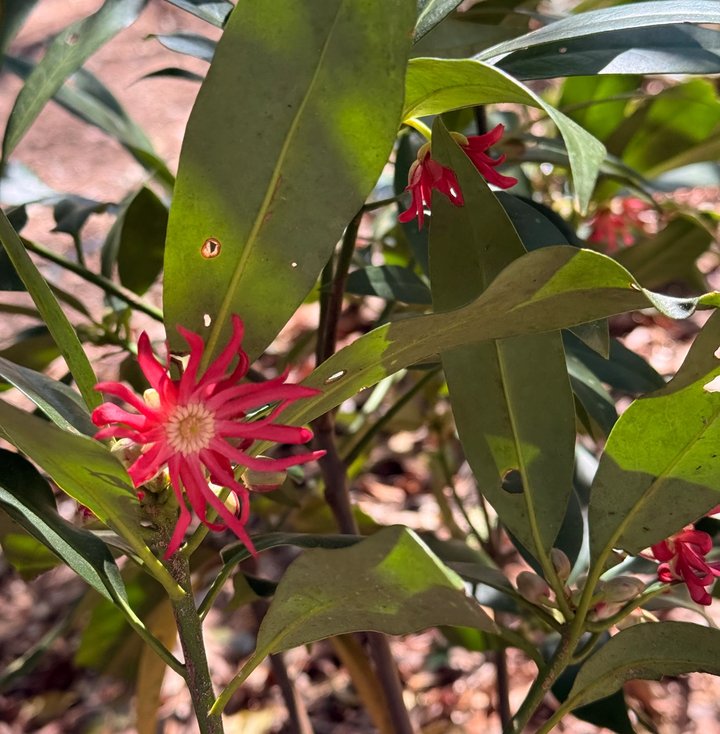
Illicium 'Woodland Ruby'
Part Shade • Shade
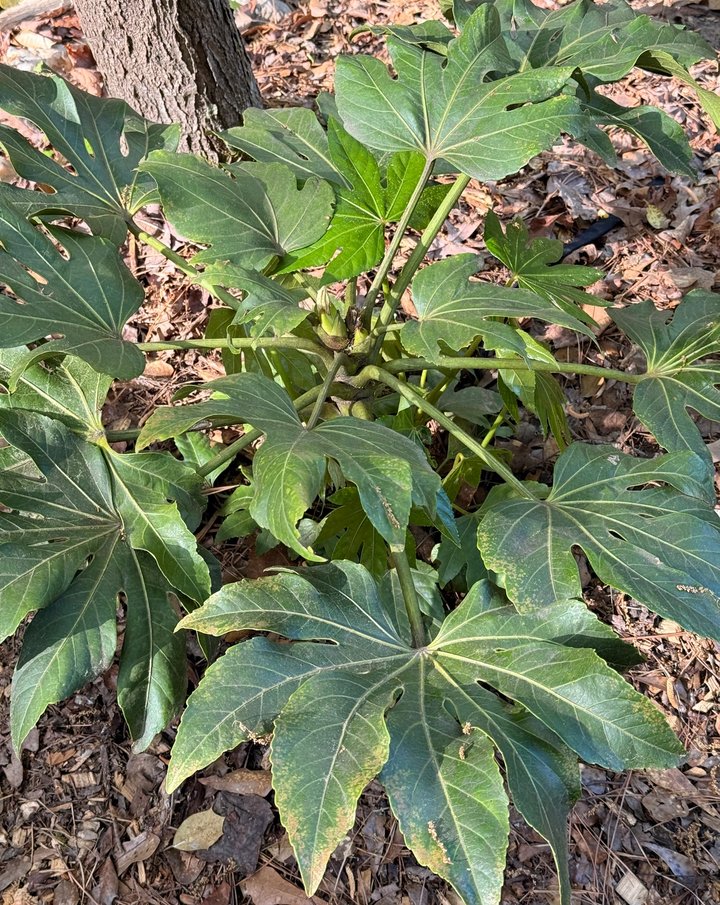
Fatsia
Part Shade • Shade
A Smarter Way to Plan Spring
When multiple beds are waking up at once, it’s easy to forget:
- what was planted where
- which bulbs are under mulch
- what worked last year
- what needs replacing
Take a photo of each garden bed at the start of spring and mark what you plant.
That way next March, you already know.
BloomMap makes this simple:
- snap a photo of your garden
- pin plants in place
- switch between years
- track how your garden evolves
Raleigh Gardening Tip
Our local challenges aren’t just frost dates.
We also deal with:
- humid summers
- dry stretches
- clay soil in many yards
- heavy shade from mature pines and oaks
Choosing the right plant for the right place matters more than buying trendy plants.
Final Spring Timeline
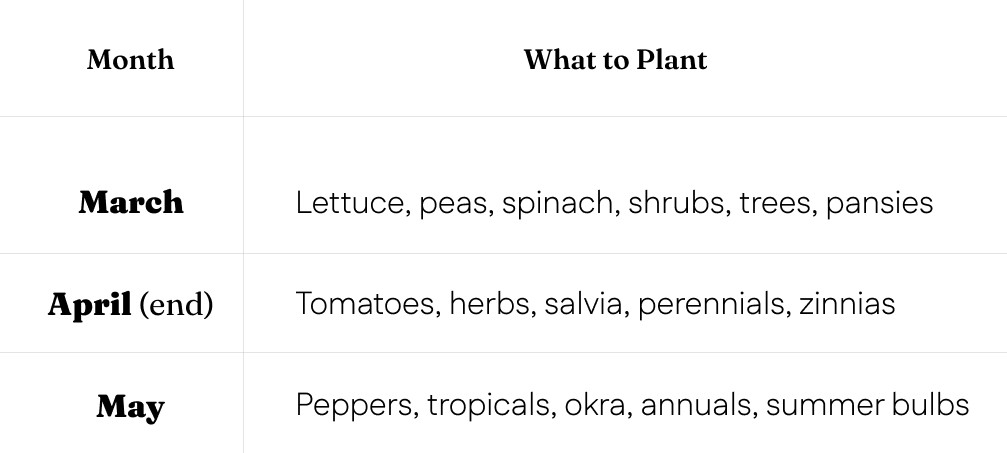
March
Prep beds, cool-season vegetables, shrubs, pansies, dividing perennials.
April
Tomatoes after frost, herbs, perennials, mulch, zinnias.
May
Annual color, tropicals, summer bulbs, peppers, okra, full planting season.
Final Thought
Spring in Raleigh is generous. You have a long window and endless possibilities. The secret is not planting everything at once. It’s planting the right thing at the right time - and remembering where you put it.
Your future self next spring will thank you.
Planning your spring garden? Use BloomMap to map plants directly on your garden photos.
Tags
Related ideas
More to explore

Garden design
How to Design a Garden Bed Like a Designer: The 5 Principles That Make It Look Intentional
The difference between a garden that looks designed and one that looks like a plant sale isn't the plants - it's five principles. Layering, structure, color, repetition, and bloom sequence, explained.
July 21, 2026

Garden design
How I Track My Garden Year by Year (Without Guessing Every Spring)
If you forget what you planted every spring, this simple visual system helps you track your garden year by year - without notes or guesswork.
May 6, 2026

Foundation Planting Guide - How to Prepare, Design, and Plant the Beds Around Your House
Here's how to do it right, starting with the ground work that most guides skip entirely.
April 28, 2026